How to manage diabetes in hot weather: Tips for safety and hydration
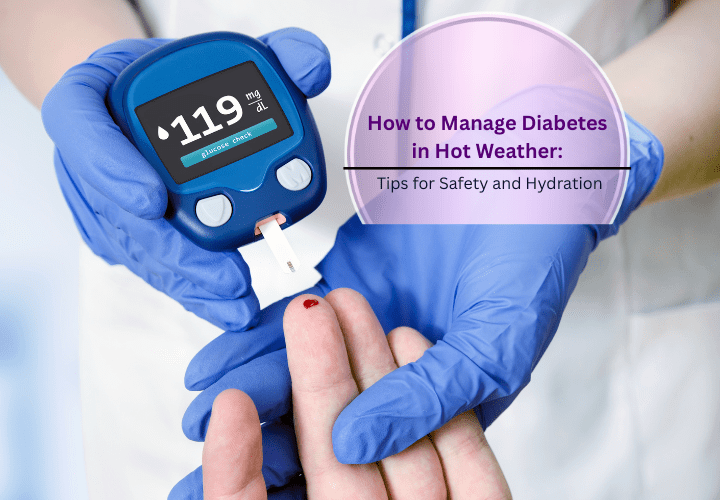
How to manage diabetes in hot weather: Tips for safety and hydration
- onco
- January 12, 2026
Hot weather or the summer season can be challenging for people living with diabetes. During summer, as high temperatures soar, it affects blood sugar levels, hydration status, and even the effectiveness of insulin and diabetes medications. Dehydration, heat exhaustion, and heatstroke can cause serious risks if proper precautions are not taken. But no worries! With thoughtful planning and self-care, individuals with diabetes can stay safe and healthy during the summer months. Consult doctors at the best Cancer treatment in Delhi – Oncoplus for any health-related problems.
Understanding the impact of heat on diabetes
Heat can cause blood vessels to dilate, which may increase insulin absorption and raise the risk of hypoglycaemia (low blood sugar). At the same time, dehydration can lead to elevated blood glucose levels because there is less fluid in the bloodstream to dilute sugar levels. Sweating excessively may also result in an electrolyte imbalance, further complicating diabetes management.
Additionally, people with diabetes may have reduced ability to sense temperature changes or thirst, particularly if they have nerve damage (neuropathy). This makes it even more important to be proactive about hydration and heat protection.
What are the precautionary tips people can follow?
Several tips people can follow to manage diabetes. Here are a few measures, including dos and don’ts in the lifestyle, which people can adopt –
Stay hydrated
Staying hydrated is the best way to manage diabetes, especially during the hot summer season. Drinking water regularly throughout the day, even if you do not feel thirsty, is recommended. You can take small, frequent sips rather than drinking it all at once. Drinking only water is advisable for dehydration; instead, consuming sugary beverages such as soft drinks, packaged fruit juices, and sweetened energy drinks. Sugar or sweet drinks can cause blood sugar spikes. Limit caffeinated drinks like coffee and tea, as they can increase fluid loss. If you are sweating heavily, oral rehydration solutions or electrolyte-rich drinks without added sugar may help restore mineral balance.
During summer, you can carry a water bottle along whenever you step out and set reminders to drink water at regular intervals.
Monitor blood sugar
Blood glucose levels can fluctuate unpredictably in hot weather. Increased physical activity, sweating, dehydration, or changes in appetite can all impact readings. Check your blood sugar more frequently than usual, especially if you are outdoors, travelling, or exercising. Be alert for symptoms of hypoglycaemia such as dizziness, sweating, confusion, shakiness, or headache.
Protect insulin and medications from heat
If insulin and other diabetes medications are exposed to high temperatures, their effectiveness can be reduced. The ideal storage temperature for Insulin is between 2°C and 8°C when unopened, and below 30°C once in use.
Also, never leave insulin, glucometers, or test strips in a parked car, as temperatures can rise high within minutes. You can use insulated pouches or cooling cases when travelling or spending time outdoors. Before use, check the insulin for changes in colour or clarity; if it appears cloudy or discoloured, do not use it.
Wear loose and breathable clothes
Choose loose-fitting, lightweight, and light-coloured clothing made from breathable fabrics such as cotton or linen. These help the body to stay cool and reduce excessive sweating. Wear wide-brimmed hats, sunglasses, and sunscreen to protect against heat and sunburn, which can also raise blood sugar levels due to stress on the body.
Try to stay indoors during peak heat hours, typically between late morning and mid-afternoon. If you must go outside, seek shade whenever possible and take frequent breaks.
Eat balanced, light meals
Hot weather often reduces appetite, but skipping meals can lead to unstable blood sugar levels. Opt for smaller, balanced meals spread throughout the day. Include foods rich in fibre, such as whole grains, vegetables, and salads, along with lean protein sources. Fresh fruits with a low to moderate glycaemic index, like berries, apples, and citrus fruits, can provide hydration and nutrients, but portion control remains important. Avoid heavy, oily, or overly spicy foods, which can increase body heat and discomfort.
Avoid intense physical activity
Exercise is beneficial for diabetes management, but intense activity in hot weather can lead to dehydration and hypoglycaemia. Schedule workouts early in the morning or late in the evening when temperatures are lower. Stay well hydrated before, during, and after exercise. Wear proper footwear to protect your feet, as people with diabetes are prone to foot injuries and infections. Inspect your feet daily for blisters, cuts, or redness, especially during summer when sweating and friction increase.
Identify heat-related illnesses
Learn to identify the warning signs of heat exhaustion and heatstroke. The symptoms including extreme fatigue, nausea, dizziness, headache, rapid heartbeat, confusion, or fainting. If you or someone else experiences these symptoms, move to a cool place immediately, drink water, and seek medical attention if necessary.
Conclusion
Managing diabetes in hot weather requires extra care, but with the right precautions, it is entirely manageable. Staying hydrated, monitoring blood sugar regularly, protecting medications from heat, and making smart lifestyle choices can significantly reduce risks. Besides these, if facing any concerns related to health, you can count on Oncoplus, the best cancer hospital in Delhi. By listening to your body and planning ahead, you can stay safe, active, and healthy throughout the summer season.
Recent Posts
-

Can Early Signs of Stomach Cancer Improve Treatment Success?
August 27, 2026
-

Latest Lymphoma Cancer Treatment Options in 2026
August 20, 2026
-

Prostate Cancer Hospital in Delhi: Symptoms, Diagnosis & Care
August 14, 2026
-
How to Recognize Symptoms of Stomach Cancer in Adults
August 5, 2026