Can Stress Lead to Brain Tumors Clearing Confusion with Real Facts
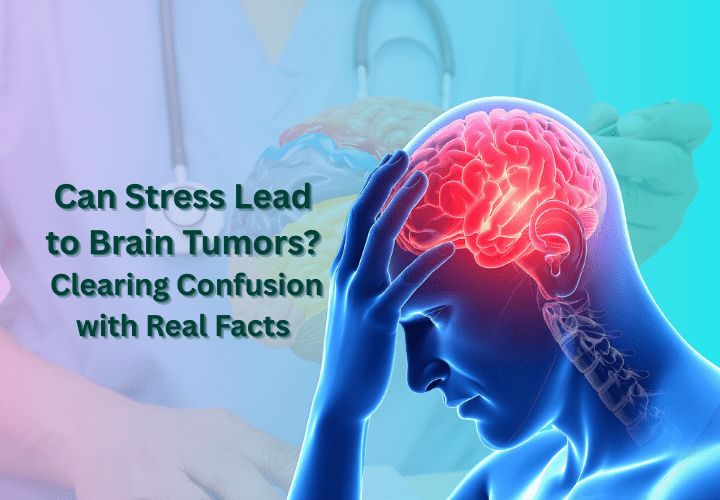
Can Stress Lead to Brain Tumors Clearing Confusion with Real Facts
- onco
- December 10, 2025
Brain cancer remains one of the most serious health concerns, affecting thousands of people in India every year. With increasing awareness about brain health, many individuals often wonder whether lifestyle factors, particularly stress, can contribute to the development of brain tumors. Understanding the relationship between stress and brain cancer is essential to separate myths from scientific facts.
For patients seeking expert care, a brain cancer hospital in Delhi can provide accurate diagnosis, advanced treatment, and comprehensive support to ensure the best possible outcomes.
Understanding Brain Cancer
Brain cancer occurs when abnormal cells in the brain grow uncontrollably, forming tumors. These tumors can be:
- Primary brain tumors – originating in the brain itself
- Secondary (metastatic) brain tumors – spreading from cancers in other parts of the body
Symptoms may vary depending on the tumor’s size, location, and type, and can include:
- Persistent headaches
- Nausea and vomiting
- Vision or speech difficulties
- Weakness in limbs
- Seizures
- Cognitive changes or memory problems
Early diagnosis and treatment at a specialized brain cancer hospital in Delhi are critical to improving patient prognosis.
Does Stress Cause Brain Cancer? What Science Says
Stress is a natural response of the body to physical or emotional pressure. It can be acute (short-term) or chronic (long-term). While chronic stress is linked to various health problems—like high blood pressure, heart disease, anxiety, and depression—current research shows no direct evidence that stress alone causes brain cancer.
Key Points from Research:
- Cellular mutation theory: Brain tumors develop due to genetic mutations in brain cells, not directly because of stress.
- Risk factors for brain cancer: Include family history, exposure to radiation, certain chemicals, and age.
- Stress as a contributing factor: Chronic stress may weaken the immune system, potentially reducing the body’s ability to detect abnormal cell growth, but it does not directly trigger brain tumor formation.
Hence, while stress impacts overall health, it should not be considered a primary cause of brain cancer.
How Stress Affects Brain Health
Although stress does not directly cause brain tumors, it can influence neurological health and recovery. Chronic stress may:
- Elevate cortisol levels, affecting brain function
- Cause sleep disturbances and fatigue
- Increase susceptibility to infections, potentially complicating treatment
- Exacerbate symptoms such as headaches or cognitive difficulties
Managing stress is therefore essential for maintaining brain health, supporting recovery, and improving quality of life for patients already diagnosed with brain cancer.
Preventive Measures and Risk Reduction
While stress alone is not a direct cause, overall brain health can be supported by reducing known risk factors for brain cancer:
- Regular medical checkups: Early screening for neurological symptoms
- Healthy lifestyle: Balanced diet, regular exercise, adequate sleep
- Avoiding carcinogens: Limit exposure to radiation, harmful chemicals, and smoking
- Managing chronic conditions: Control diabetes, hypertension, and other long-term illnesses
- Stress management: Meditation, yoga, mindfulness, and counseling
These steps help maintain overall well-being and can enhance the effectiveness of treatment in patients diagnosed with brain tumors.
Treatment of Brain Cancer
Treatment depends on tumor type, location, size, and patient health. Common treatment options include:
- Surgery: To remove as much of the tumor as safely possible
- Radiation therapy: Targeted radiation to destroy cancer cells
- Chemotherapy: Drugs to kill cancer cells or prevent growth
- Targeted therapy & immunotherapy: Advanced treatments for specific genetic mutations or immune modulation
- Supportive care: Pain management, rehabilitation, and counseling
Choosing a brain cancer hospital in Delhi ensures access to multidisciplinary teams, advanced technology, and personalized treatment plans that maximize survival and quality of life.
The Role of Mental Health in Brain Cancer Care
Even though stress does not cause brain tumors, mental health plays a crucial role in recovery. Patients undergoing treatment often experience anxiety, depression, or fatigue, which can affect their treatment adherence and overall well-being. Mental health support includes:
- Psychological counseling
- Stress reduction programs (meditation, yoga, mindfulness)
- Support groups for patients and caregivers
- Rehabilitation therapy for cognitive and physical recovery
Integrating mental health care improves resilience and enhances treatment outcomes for brain cancer patients.
Separating Myth from Reality
Many myths surround the causes of brain cancer, and stress is often wrongly blamed. It is important to clarify:
- Myth: Stress alone causes brain tumors
- Fact: Brain tumors develop due to genetic mutations, environmental exposure, or predisposing medical conditions. Stress can influence overall health but is not a primary cause.
Reliable information, early diagnosis, and expert medical care remain the pillars of effective brain cancer management.
When to See a Specialist
Individuals experiencing persistent neurological symptoms should seek professional evaluation immediately, especially if symptoms include:
- Severe or recurring headaches
- Unexplained nausea or vomiting
- Vision, speech, or movement difficulties
- Seizures
- Cognitive changes
Early consultation with a brain cancer hospital in Delhi can lead to timely interventions and better prognosis.
Conclusion
While stress is a significant factor affecting overall health and recovery, it does not directly cause brain cancer. Brain tumors arise from genetic mutations, environmental factors, or other medical conditions. Understanding this distinction helps patients focus on effective preventive measures, early detection, and seeking expert care.
For anyone concerned about neurological health or experiencing symptoms, consulting a specialized brain cancer hospital in Delhi is the most reliable step. Advanced diagnostics, personalized treatment plans, and supportive care enable patients to manage brain cancer effectively, improving both survival and quality of life.
Recent Posts
-

Best Oncology Hospital in Delhi – A Caring Guide for Patients & Families
February 17, 2026
-

Liver Health Prevention – NAFLD, NASH, and Liver Disease
January 27, 2026