Cancer Diet: What to Eat During Treatment & What to Avoid
Cancer Diet: What to Eat During Treatment & What to Avoid
- onco
- January 7, 2026
Cancer treatment is a delicate period in a person’s life, during which they face both physical discomfort and emotional strain. The treatment of cancer is intense, depending upon the severity or stages of cancer, as it involves chemotherapy, radiation, immunotherapy, and surgery, which causes side effects like fatigue, nausea, loss of appetite, mouth sores, digestive issues, and weight changes. While food cannot cure cancer, the right diet plays a vital role in supporting the body during treatment, helping maintain strength, manage side effects, and improve overall well-being. To get the best Cancer treatment in Delhi, it is prudent to count on the best – Oncoplus, a renowned cancer-dedicated hospital. This article will help you become familiar with what to eat during cancer treatment and what to limit or avoid.
Why nutrition matters during cancer treatment?
Generally, a good nutrition during cancer treatment helps maintain body weight and muscle mass, supports immunity and healing, improves tolerance to treatment, and reduces the risk of infection. When the body is well-nourished, it is better equipped to cope with the stresses of treatment and recovery. Thus, food supports treatment and enhance quality of life.
What to eat during cancer treatment?
People should be careful about what they eat during treatment, or they should consult a healthcare provider, as this can directly affect the treatment process. The following foods are recommended for patients during treatment –
- High-protein foods
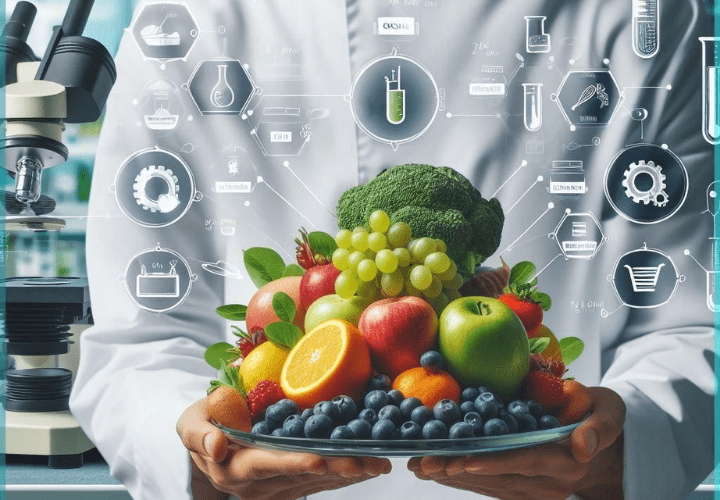
Protein plays a key role in repairing tissues, maintaining muscle strength, and supporting immune function. Rich protein sources include eggs, milk, yogurt, paneer, lentils, beans, chickpeas, nuts and seeds, fish, lean meats, tofu, and soy products.
Soft, protein-rich foods such as smoothies, soups, and curd-based dishes can be offered to patients with poor appetite.
- Fruits and Vegetables
Fruits and vegetables provide vitamins, minerals, antioxidants, and fiber that support overall health. The best choices include vegetables such as carrots, pumpkin, spinach, beetroot, and bell peppers, while fruits include bananas, apples, papaya, berries, oranges, and pomegranates. When digestion is sensitive, cooked or steamed vegetables may be easier to tolerate than raw ones.
- Whole grains and complex carbohydrates
These foods provide sustained energy and help manage fatigue. The list of these foods includes brown rice, whole wheat rice, oats, millets (ragi, jowar, bajra), and Quinoa.
Note – Small, frequent meals with complex carbs can help stabilize energy levels throughout the day.
- Healthy Fats
The healthy fats support calorie intake, hormone balance, and nutrient absorption. Good sources of healthy fats include nuts and butters, seeds (flaxseed, chia, sunflower), olive and mustard oil, and avocado. These foods are also helpful for patients struggling with weight loss.
- Fluids and Hydration
Staying hydrated is crucial, especially when treatments cause vomiting, diarrhea, or fever. The hydration options include water, coconut water, clear soups and broths, diluted fresh fruit juices (no added sugar), and herbal teas. Adequate hydration helps flush toxins and reduces fatigue and constipation.
- Easy-to-digest foods
During periods of nausea or mouth sores, bland and soft foods can be helpful. The foods include khichdi, rice porridge, mashed potatoes, curd and buttermilk, and soft fruits like bananas. These are the foods people can include in their diet.
What to avoid or limit during cancer treatment?
There are various foods that people during cancer treatment should avoid –
- Processed and junk foods
Highly processed foods often contain excess salt, sugar, unhealthy fats, and preservatives. Highly processed or junk foods should be avoided, including packaged snacks, instant noodles, fast food, sugary desserts, and soft drinks. These foods provide little nutrition and may worsen inflammation and fatigue.
- Excess sugar
While sugar does not directly ‘feed cancer,’ but an excessive intake can lead to weight gain, insulin spikes, and inflammation. Limiting food items such as sweets and pastries, sugar beverages, and artificially sweetened drinks. Prefer natural sweetness from fruits rather than excess sugar.
- Raw or unhygienic foods
Cancer treatments can weaken the immune system and increase the risk of infections. People are advised to avoid raw eggs, unpasteurized milk and juices, street food, and undercooked meat or seafood. Food safety and hygiene are extremely important during cancer treatment.
- Alcohol
Smoking and drinking during the treatment of cancer can enhance the cancer medication side effects and affect the treatment efficacy. As this may damage lung function, slow the healing process, and reduce immunity. It is best to avoid alcohol completely during cancer treatment.
- Excessively spicy or oily foods
These can worsen mouth sores, acid reflux, nausea, and digestive discomfort. If using spices, keep them mild and balanced.
By making small dietary adjustments, people can ensure their safety during cancer treatment.
Tips for eating well during treatment
Consider the following tips for eating well during cancer treatment.
- Eat small, frequent meals instead of three large ones.
- Focus on nutrient-dense foods rather than quantity alone.
- Adjust textures (soft, liquid, mashed) based on comfort.
- Listen to your body and eat when your appetite is best.
- Ensure the provision of clean and hygienic food.
Seek guidance from a dietitian or oncologist for personalised advice. If you are living in Delhi, you may consider Oncoplus, a trusted hospital known for quality cancer care and treatment.
Conclusion
A well-planned cancer diet during treatment can make a meaningful difference in strength, recovery, and quality of life. While treatment protocols vary, nourishing the body with balanced, safe, and wholesome foods helps patients feel more in control and supported throughout their journey. Always remember: every patient is unique. What works well for one person may not suit another. Personalized nutritional guidance is key to ensuring the best possible support during cancer treatment. As individual needs may vary and dietary choices should be made in consultation with healthcare professionals.
Recent Posts
-

Best Oncology Hospital in Delhi – A Caring Guide for Patients & Families
February 17, 2026
-

Liver Health Prevention – NAFLD, NASH, and Liver Disease
January 27, 2026