Brain cancer remains one of the most serious health concerns, affecting thousands of people in India every year. With increasing awareness about brain health, many individuals often wonder whether lifestyle factors, particularly stress, can contribute to the development of brain tumors. Understanding the relationship between stress and brain cancer is essential to separate myths from scientific facts.
For patients seeking expert care, a brain cancer hospital in Delhi can provide accurate diagnosis, advanced treatment, and comprehensive support to ensure the best possible outcomes.
Understanding Brain Cancer
Brain cancer occurs when abnormal cells in the brain grow uncontrollably, forming tumors. These tumors can be:
- Primary brain tumors – originating in the brain itself
- Secondary (metastatic) brain tumors – spreading from cancers in other parts of the body
Symptoms may vary depending on the tumor’s size, location, and type, and can include:
- Persistent headaches
- Nausea and vomiting
- Vision or speech difficulties
- Weakness in limbs
- Seizures
- Cognitive changes or memory problems
Early diagnosis and treatment at a specialized brain cancer hospital in Delhi are critical to improving patient prognosis.
Does Stress Cause Brain Cancer? What Science Says
Stress is a natural response of the body to physical or emotional pressure. It can be acute (short-term) or chronic (long-term). While chronic stress is linked to various health problems—like high blood pressure, heart disease, anxiety, and depression—current research shows no direct evidence that stress alone causes brain cancer.
Key Points from Research:
- Cellular mutation theory: Brain tumors develop due to genetic mutations in brain cells, not directly because of stress.
- Risk factors for brain cancer: Include family history, exposure to radiation, certain chemicals, and age.
- Stress as a contributing factor: Chronic stress may weaken the immune system, potentially reducing the body’s ability to detect abnormal cell growth, but it does not directly trigger brain tumor formation.
Hence, while stress impacts overall health, it should not be considered a primary cause of brain cancer.
How Stress Affects Brain Health
Although stress does not directly cause brain tumors, it can influence neurological health and recovery. Chronic stress may:
- Elevate cortisol levels, affecting brain function
- Cause sleep disturbances and fatigue
- Increase susceptibility to infections, potentially complicating treatment
- Exacerbate symptoms such as headaches or cognitive difficulties
Managing stress is therefore essential for maintaining brain health, supporting recovery, and improving quality of life for patients already diagnosed with brain cancer.
Preventive Measures and Risk Reduction
While stress alone is not a direct cause, overall brain health can be supported by reducing known risk factors for brain cancer:
- Regular medical checkups: Early screening for neurological symptoms
- Healthy lifestyle: Balanced diet, regular exercise, adequate sleep
- Avoiding carcinogens: Limit exposure to radiation, harmful chemicals, and smoking
- Managing chronic conditions: Control diabetes, hypertension, and other long-term illnesses
- Stress management: Meditation, yoga, mindfulness, and counseling
These steps help maintain overall well-being and can enhance the effectiveness of treatment in patients diagnosed with brain tumors.
Treatment of Brain Cancer
Treatment depends on tumor type, location, size, and patient health. Common treatment options include:
- Surgery: To remove as much of the tumor as safely possible
- Radiation therapy: Targeted radiation to destroy cancer cells
- Chemotherapy: Drugs to kill cancer cells or prevent growth
- Targeted therapy & immunotherapy: Advanced treatments for specific genetic mutations or immune modulation
- Supportive care: Pain management, rehabilitation, and counseling
Choosing a brain cancer hospital in Delhi ensures access to multidisciplinary teams, advanced technology, and personalized treatment plans that maximize survival and quality of life.
The Role of Mental Health in Brain Cancer Care
Even though stress does not cause brain tumors, mental health plays a crucial role in recovery. Patients undergoing treatment often experience anxiety, depression, or fatigue, which can affect their treatment adherence and overall well-being. Mental health support includes:
- Psychological counseling
- Stress reduction programs (meditation, yoga, mindfulness)
- Support groups for patients and caregivers
- Rehabilitation therapy for cognitive and physical recovery
Integrating mental health care improves resilience and enhances treatment outcomes for brain cancer patients.
Separating Myth from Reality
Many myths surround the causes of brain cancer, and stress is often wrongly blamed. It is important to clarify:
- Myth: Stress alone causes brain tumors
- Fact: Brain tumors develop due to genetic mutations, environmental exposure, or predisposing medical conditions. Stress can influence overall health but is not a primary cause.
Reliable information, early diagnosis, and expert medical care remain the pillars of effective brain cancer management.
When to See a Specialist
Individuals experiencing persistent neurological symptoms should seek professional evaluation immediately, especially if symptoms include:
- Severe or recurring headaches
- Unexplained nausea or vomiting
- Vision, speech, or movement difficulties
- Seizures
- Cognitive changes
Early consultation with a brain cancer hospital in Delhi can lead to timely interventions and better prognosis.
Conclusion
While stress is a significant factor affecting overall health and recovery, it does not directly cause brain cancer. Brain tumors arise from genetic mutations, environmental factors, or other medical conditions. Understanding this distinction helps patients focus on effective preventive measures, early detection, and seeking expert care.
For anyone concerned about neurological health or experiencing symptoms, consulting a specialized brain cancer hospital in Delhi is the most reliable step. Advanced diagnostics, personalized treatment plans, and supportive care enable patients to manage brain cancer effectively, improving both survival and quality of life.
Glioblastoma is marked to be one of the most aggressive and life-threatening types of brain cancer, making brain cancer treatment notably challenging. Unlike many tumors that are steady growing, glioblastoma is rapid developing, oftens doubles in size within a weeks. Originating from the glial cells in the brain, it extends into surrounding healthy tissue, making complete surgical removal almost impossible. Its penetrating nature makes complete surgical removal treatment nearly impossible, and even after the surgery, microscopic cancer cells often remain which leading to high recurrence rates.
The main citated reason that glioblastoma is so deadly is its resistance to the standard brain cancer treatment. Chemotherapy and radiation may rationally slow tumor growth, but the blood-brain barrier limits drug delivery to the cancerous cell, and tumor cells can altered quickly to respond and survive treatment. Additionally, glioblastomas often develop in complex brain regions, forcing surgeons to carefully maintain the balance tumor removal with preserving core functions like speech, movement, and memory.
Despite treatment, glioblastoma remains highly lethal, with average survival rate is often less than 18 months. Understanding its Invasive nature and available brain cancer treatment options is essential for patients, their families, and caregivers a massive strength facing this deadly disease.
Glioblastoma Connection to Tumor Location in the Brain:
The location of the tumor sites a important role in determining the symptoms, challenges faced in treatment, and possible impact on essential brain functions like speech, movement, and memory.
- Frontal lobe glioblastoma: Cause changes in personality, affects decision-making, and many speech difficulties, as this region controls movement, reasoning, and behaviour.
- Temporal lobe glioblastomas: Trigger memory loss, seizures, confusion, and problems with hearing and language, as this area handles memory and auditory perception.
- Parietal lobe tumors: Affects sensory perception, spatial awareness, and, coordination, leading to the difficulty in recognizing objects.
- Occipital lobe involvement: Triggers the visual disturbances or partial loss of vision, as this region is responsible for Visual perception.
- Cerebellar tumors: Causes balance problems, and poor coordination, impacting physical movement.
- Brainstem glioblastomas: Considerably dangerous because this area controls important life functions such as breathing, heart rate, and swallowing.
One of the most important and vital hurdles in treating glioblastoma is its Limited effectiveness of standard therapies. Chemotherapy and Radiation are commonly used in such treatment, but tumor cells can transform rapidly, reducing treatment effectiveness. The blood-brain barrier further causes complication in drug delivery, restricting the ability of many medications to reach the desired cell. As a result, managing glioblastoma requires specialized care at a cancer hospital in Delhi which is equipped with advanced diagnostic and excellent treatment facilities.
The location of the tumor in the brain plays a significant role in determining symptoms and treatment options. Frontal lobe glioblastomas may affect personality, speech, or movement, while tumors in the temporal lobe can impact memory and auditory perception. Tumors in the occipital lobe affect vision, and cerebellar involvement can lead to coordination and balance problems. Brainstem glioblastomas are particularly dangerous, as this area controls vital functions like breathing and heart rate.
Modern brain cancer treatment is a organized combination of multiple approaches. Surgery is the first step to remove as much of the tumor is possible for safely without disturbing the rest of the organ, followed by radiation therapy which is completely done by specific radiation and chemotherapy done which uses powerful drugs to kill or stop the growth of cancer cells. Advanced therapies, including targeted drugs, immunotherapy, and Tumor Treating Fields (TTF), are used to improve patient outcomes. Choosing a specialized cancer hospital in India ensures access to multidisciplinary care, advanced surgical techniques, and clinical trials offering innovative therapies.
Despite regular and best at best cancer hospital in Delhi treatment, glioblastoma remains challenging, with an average of only 12–18 months of survival. Early detection, specialized care, and Invasive treatment can help improve outcomes of life. Supportive care, which includes physical therapy, counseling, and rehabilitation, also plays important role in helping patients manage both physical and emotional challenges.
In conclusion, glioblastoma is a fast-growing, disease, and highly tumor. Its deadly nature is compounded by the tumor’s location in critical bra Invasive in regions and its resistance to conventional therapies. Accessing care at a cancer hospital in India provides patients with the best chance for effective management, cutting-edge treatment, and comprehensive support. Awareness, early intervention, and specialized medical care remain key to fighting this formidable disease.
One of the most prevalent indications of a brain tumor is seizures, especially in those without a prior history of the condition. Epilepsy can have a crippling effect on an individual’s quality of life. Two crippling medical disorders that can significantly affect a person’s quality of life are brain tumors and epilepsy. Treatment choices are essential for people with either of these disorders in order to control the corresponding symptoms and enhance general health. Surgery is one such therapeutic option, and here we will discuss how surgery can benefit patients with epilepsy and brain tumors in this blog post. We’ll also discuss how cutting-edge facilities, like a cancer hospital in Delhi, help cure brain cancer.
Brain Tumors:
Brain tumors are abnormal cell growths that can be either benign (noncancerous) or malignant (cancerous) within the brain or surrounding tissues. Benign brain tumors do not spread, while malignant brain tumors, often known as brain cancer, can pose a serious risk to one’s life.
Surgery is one of the main methods used to treat brain tumors. When a brain tumor is accessible and safely extractable, surgical excision is frequently advised. In these situations, the operation aims to remove the tumor as much as possible to relieve pressure on the brain and enhance the patient’s general health.
Operation on Brain Tumors:
Brain tumor surgery is a complex and delicate process that calls for a highly competent surgical team. An extensive assessment of the patient’s condition, including the kind, size, and location of the tumor, usually precedes surgery. This assessment aids in deciding on the surgical strategy and degree of tumor excision that is required.
Important surgical methods for treating brain tumors include:
- Craniotomy: During this treatment, an incision is made in the skull to access the tumor. Special equipment and imaging techniques guide surgeons during surgery.
- Endoscopy: To treat some conditions or remove small tumors, minimally invasive endoscopic techniques may be used in certain situations.
- Image-Guided Surgery: During surgery, the surgeon receives real-time direction from sophisticated imaging technologies, such as CT or MRI scans.
- Brain Surgery While Awake: This method is employed when the tumor is close to essential brain regions. To protect vital brain functions, the patient could be kept awake during the procedure.
Epilepsy surgery:
Periodic seizures typify a neurological condition called epilepsy. Epilepsy may occasionally be linked to anatomical abnormalities of the brain, such as brain tumors or scar tissue from infections or head trauma. When medicine is unable to control seizures effectively, surgery may be a good alternative for treating epileptic patients.
Important surgical methods for treating epilepsy include:
- Lobectomy: A lobectomy is the surgical removal of a particular ‘lobe’ in the brain that is the source of seizures. It is frequently applied to focal epilepsy situations.
- Corpus Colostomy: To prevent seizures from spreading from one hemisphere to the other, a corpus callosum (the structure connecting the two hemispheres of the brain) is severed during a corpus colectomy procedure.
- Vagus Nerve Stimulation (VNS): Stimulating the vagus nerve to reduce the frequency and intensity of seizures does not require brain surgery. Instead of this, a device is implanted.
Function of Delhi Cancer Hospital:
It can be beneficial for those with brain tumors to have treatment at a Delhi speciality cancer hospital. These hospitals include cutting-edge infrastructure and a multispecialty team of professionals who can offer thorough therapy for brain cancer.
There are various advantages that a Delhi cancer hospital provides to people with brain tumors:
- Expertise: There are neurosurgeons, neuro-oncologists, and other experts available with a great deal of experience treating brain tumors.
- Modern Technology: These hospitals have state-of-the-art surgical and diagnostic instruments, guaranteeing accurate care.
- Individualized Care: Treatment regimens are customized to meet the specific requirements of each patient, taking into account variables such as tumor location and kind.
- Support Services: Palliative care, counseling, and rehabilitation are just a few of the services available to patients.
- Research and Clinical Studies: Several Delhi-based cancer hospitals are engaged in state-of-the-art research and clinical studies that provide patients with access to cutting-edge therapies.
So, for people with brain tumors and epilepsy, surgery is a vital part of their treatment, providing hope and a better quality of life. For patients to choose the best course of therapy, they must speak with qualified medical professionals. A Delhi cancer hospital can offer patients seeking advanced brain cancer treatment the knowledge and tools required for quality care. And the finest cancer hospital is Oncoplus, which provides a comprehensive approach to controlling and treating brain tumors and epilepsy, thereby improving the lives of individuals affected. We do this by combining surgical skills with the newest technologies and individualized treatment programs. We strive to provide the best possible care to cancer patients, accepting their suffering and enabling them to live happy, healthy lives.
Brain tumors originate in the brain, and it is the abnormal growth of tissue that disrupts the functioning of the brain. Generally, there are two types of brain tumors: malignant and benign. In both tumor types, malignant brain tumors are cancerous and benign brain tumors are non-cancerous. If the patient wants the best cancer treatment in Delhi, they can consult with the oncologist at Oncoplus Hospital. In some people, tumors grow at a very fast rate, and in others, they grow at a very slow speed. The growth of a brain tumor is entirely dependent on its size, location, and type. It is important to note that a brain tumor can affect people of all ages. It is suggested that early diagnosis and timely treatment help fight brain tumors. There are various myths and misconceptions among people about brain tumors that can cause unnecessary fear and confusion. However, it is critical to be aware of the existence of brain tumors. In this blog, you will read about the myths and facts about brain tumors.
Symptoms of brain tumors:
The symptoms of a brain tumor differ depending on whether it is malignant or benign.
- Headache that occurs early in the morning or if there are changes in the pattern of headaches.
- People might experience different types of seizures.
- If the person is feeling issues in their body, such as loss of consciousness and loss of control over body functions,
- Loss of vision
- Nausea and vomiting
- Changes in personality or memory
- Fatigue
- Loss of balance
Read More Blog:- Brain Stroke: Warning Signs, Symptoms, And Prevention
6 Brain Tumor Myths and Facts:
Myth 1: Cell phones cause brain tumors.
Facts: There is no scientific evidence to support that the use of cell phones or any other types of radiation causes brain tumors. The radio frequency radiation of these devices affects the skin before it reaches the brain and causes a negative effect on the person’s health. Hence, there is no convincing evidence that the use of cell phones causes brain tumors.
Myth 2: Brain tumors are always dangerous.
Fact: Some of the brain tumors are dangerous, but many of the tumors can be treated and cured with surgery, radiation therapy, and chemotherapy, which helps to kill cancer cells. The prognosis for a brain tumor depends on the type of tumor, its location, and the patient’s overall health. Brain tumors are dangerous, but we are treating them.
Myth 3: Brain tumors are always cancerous.
Fact: Not all brain tumors are cancerous. Benign brain tumors have abnormal growths but do not spread to other parts of the body and are typically less aggressive than malignant tumors. These types of tumors are non-cancerous and can be completely treated.
Myth 4: Brain tumors only occur in older adults.
Fact: Brain tumors can occur in people of all ages, including children. In fact, brain tumors are also found in children and newborns in our country.
Myth 5: Brain tumors cannot be prevented by changing one’s lifestyle.
Fact: A person’s lifestyle does not cause brain tumors. By changing your lifestyle, you cannot stop brain tumors from developing. On the other hand, adopting a healthy lifestyle is good for your general health. A healthy lifestyle includes regular exercise, a balanced diet high in fiber, and the refusal to drink alcohol, chew tobacco, or smoke.
Myth 6: Brain tumors always cause severe headaches.
Fact: Headaches can be a symptom of a brain tumor, but not all patients with headaches have a brain tumor. There are various causes of headache, so it should be examined properly. Other symptoms of a brain tumor include seizures, changes in vision, difficulty speaking or walking, and changes in personality or behavior.
In conclusion, brain tumors are a serious health concern, but many myths and misconceptions surrounding them can cause unnecessary fear and confusion. It is important to understand the facts about brain tumors and to consult with a medical professional if you suspect you or a loved one may have any symptoms of this disease. Regular check-ups, early detection, and treatment are the keys to surviving and overcoming brain tumors. At Oncoplus Hospital, patients get the best cancer treatment in Delhi.
Glioblastoma is an aggressive form of cancer that occurs in the brain and/or spinal cord: it is formed from cells known as astrocytes which support nerve cells.
Glioblastoma can happen to anyone at any age, but trends have shown it to occur more in older adults. It can also lead to serious headaches that get worse with time along with nausea, vomiting and seizures.
Glioblastoma, also referred to as glioblastoma multiforme, is very difficult to treat and cure is often not really possible. Our expert cancer specialists are among some of Delhi’s best doctors for cancer treatment, and we admit that it is difficult to treat, but don’t lose hope because treatment can slow down the progress of the cancer with fewer signs and symptoms. Glioblastoma treatment is also uncommon, and some of Delhi’s best cancer hospitals may not be able to provide successful treatment.
Diagnosis of Glioblastoma
The tests and procedures that can diagnose glioblastoma are:
- Neurological exam. In a neurological exam, your doctor will ask about signs and symptoms, check your vision and hearing, sense of balance and coordination, strength and reflexes. Issues in one or more of these can provide clues about the section of your brain may be affected by a tumour.
- Imaging tests. Imaging tests help your doctor determine the location and size of the brain tumour and MRIs are used to diagnose brain tumours, along with specialised MRI imaging like functional MRIs and magnetic resonance spectroscopy. Other include CT and positron emission tomography (PET).
- Taking a sample of tissue for biopsy. A sample of suspicious tissue is extracted and analysed in a laboratory to test the types of cells and the level of aggression the cancer is showing.
These tests of the tumour cells can help doctors determine the types of mutations the cells are undergoing. This can provide some clues to your doctors about your prognosis and could even guide future treatment options.
Treatment of Glioblastoma
Glioblastoma can be treated through:
- A neurosurgeon will remove the glioblastoma and try and remove as much of the tumour as possible. However, as glioblastoma also grows into normal brain tissue, total removal is not possible. To counter this, most will have to receive further treatments post surgery to eliminate the remaining cells.
- Radiation therapy uses high-energy beams like X-rays or protons, to destroy cancer cells and is mostly recommended after surgery and along with chemotherapy.
- Chemotherapy involves the use of drugs for killing cancer cells. In a few cases, really thin, circular wafers that contain chemotherapy medicine are placed in the brain during surgery and the wafers dissolve gradually, at the same time releasing the medicine and killing cancer cells.
After surgery, the chemotherapy drug are taken as pills and is used during and after radiation therapy. - Tumour treating fields (TTF) therapy. An electrical field is used to disrupt the tumour cells’ ability to multiply and TTF involves applying adhesive pads to the scalp which are connected to a device that generates the electrical field.
- Targeted drug therapy. Targeted drugs target and focus on the specific abnormalities in cancer cells that allow them to grow and thrive. The drugs attack those abnormalities, causing the cancer cells to die.
A brain tumour is essentially an abnormal growth of tissue within the brain or in the central spine, this can disrupt and disturb proper brain function. The two predominant types of tumours are, malignant and benign(non-malignant) tumours. Benign tumours are non-cancerous whereas malignant primary brain tumours are cancerous, you should know that less than a third of all brain tumours are cancerous, however, this can occur at any age. The overall incidence of this neurological disorder in India is between five to ten cases per 100,000 people, but ask the best cancer doctors in Delhi and they will tell you there is an increase in incidence. Twenty percent of all brain tumour cases are seen in children and increasing awareness and busting myths can lead to earlier diagnosis and timely treatment.
Symptoms of Brain tumour
The common symptoms that may be caused by brain tumours (malignant or non-malignant) are headaches especially early morning ones that may come with nausea and vomiting. General behavioural and cognitive changes, dizziness, speech and hearing impairment, seizures and paralysis are also symptoms of brain tumours.
Myths and facts of Brain tumour
Brain tumour treatment requires a multidisciplinary approach for treatment and recovery but many misconceptions still remain around brain tumours. We’ll lay out
Some common myths and debunk them with facts on brain tumours:
Myth 1: Brain tumours mean cancer.
- Fact: Only a third of all brain tumours are cancerous and the non-cancerous tumours can be cured through treatment.
Myth 2: Brain tumours happen in the brain, right?
- Fact: Brain tumours occur in the brain, but can also be a result of metastasis of cancer from other parts of the body. The former are called called primary tumours whereas the latter are called secondary tumours which are more frequent than the primary tumours.
Myth 3: Brain cancer won’t happen to young people.
- Fact: Brain tumours have been found to happen at any age; even newborns have been found with brain tumours. Brain tumour is the second most common cancer among children in India.
Myth 4: Brain tumours runs in families.
- FACT : There is still no concrete evidence to suggest this, it’s in fact an older theory which is still unconvincing.
Myth 5: The use of cellphones can cause brain tumours.
- Fact : Again, no research has suggested that phones causes brain tumours but of course, long exposure to radiation might well have severe negative impact on health and should not be taken lightly.
Myth 6: Brain Cancer is common.
- Fact: The chances of a persondeveloping a malignant tumour in the brain is less than 1%.
Myth 7: Changes to lifestyle can prevent tumours.
- Fact:Lifestyle choices do not cause brain tumours and that’s why lifestyle modifications may not really prove helpful in preventing brain tumours. This doesn’t mean making healthy lifestyle choices won’t benefit your overall health; it most definitely will. Regular exercise, a nutritious and balanced diet, staying away from tobacco and alcohol is always a good thing for health.
At Oncoplus Cancer Hospital, our committed team of neurosurgeons, medical oncologists, paediatric oncologists and radiation oncologists specialise in Neurooncolgy to diagnose and treat brain tumours. We are one of the best cancer hospitals in Delhi and use latest in class technology which enables our leading cancer specialists to achieve the highest success and safest resection of all tumours, with the use of novel operative advances with navigation, awake surgery techniques, neurophysiology monitoring with MEP and SSEP.
Brain tumors are cancerous or noncancerous growths in the brain that makes the central nervous system (CNS). Most tumors of the brain are benign this means they are not cancerous and less than thirty percent of brain tumors turn into brain cancer or malignant brain tumors.
Benign does not necessarily mean not harmful. Noncancerous brain tumors can still cause symptoms, noteworthy neurologic problems and damage the healthy brain tissue.
There are two kinds of Brain tumors, they either primary or secondary tumors. Primary tumors begin in the brain tissue itself. Secondary tumors are cancers that have spread, or metastasized, from other areas of the body. For instance, breast cancer normally spreads to the brain. There are more than 100 different types of primary brain tumors that have been identified, they are most common in older adults and children.
Symptoms of Brain tumor differs as per the area of the brain it affects. Symptoms can be very general, such as headache, or very specific, such as changes in the vision. However, specific symptoms, such as fatigue or headaches from a brain tumor, can be common symptoms of other conditions too. The only way to know for sure is to see your doctor for any unusual or insistent symptoms. If your doctor diagnoses a brain tumor, numerous effective treatments are available.
The specific course of therapy will depend on whether or not tumor is cancerous, its location, and how aggressive it is. Slow-growing tumors can cause gradual symptoms that you may not notice for some time. When tumors grow quickly, symptoms can appear rather suddenly.
A few Brain tumor symptoms include
- Difficulty with fine motor skills, swallowing or facial muscles
- Changes in vision, hearing, speech, touch, emotions, and personality
- Weakness, or paralysis
- Fatigue, headache, or head pressure
- Memory problems
- Seizures
- Nausea or vomiting
It’s important to see your doctor if you face of these symptoms that persist or cause concern. Other conditions share many of these same symptoms. Getting a timely diagnosis at Oncoplus Hospitals, Defence Colony, New Delhi, which offers the best chance of successfully treating tumors of the brain.
A brain tumor can damage brain tissue and cause problems that may be permanent. Some tumors are more likely to cause problems than others due to their placement in the brain. However, a common concern with any type of tumor is survival. Unfortunately, the risk factors for a brain tumor are normally not changeable. If you have a family history of a brain tumor, talk with Oncoplus Hospitals about your risk and consult about specific monitoring recommendations to find early warning signs. Reducing the risk of a particular disease involves controlling risk factors that you have the power to change.
Brain cancer is a cancerous growth of abnormal brain cells in the brain. Some brain tumours are benign/non-cancerous while some are malignant/cancerous. There are several different types of tumours that occur in the brain and the spinal cord. The brain is the central organ governing other organs and systems in the body, so all brain tumours need not to be ignored.
Benign tumours are those, that do not invade nearby tissue or spread to distant areas. While, malignant tumours grow and spread aggressively, overpowering healthy cells by taking their space, blood, and nutrients. Malignant tumours can also spread to distant parts of the body.
There are several treatment options available to cure bone cancer at Oncoplus Hospital, Delhi.
Signs and Symptoms of Brain cancer
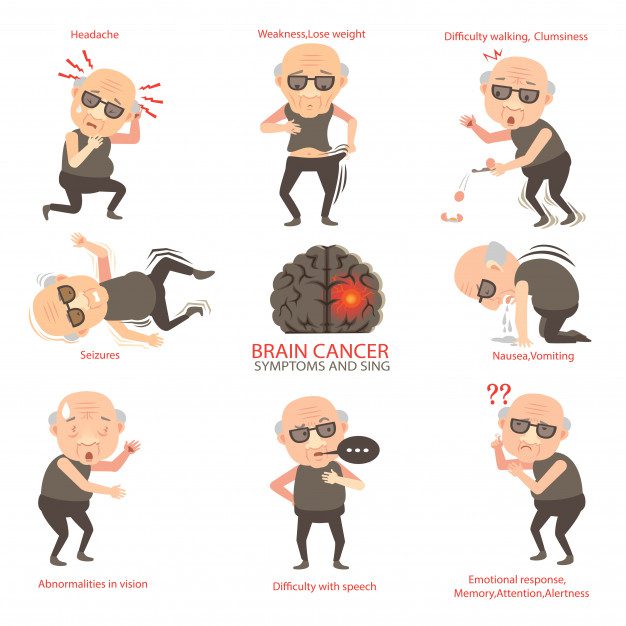
The signs of a brain tumour depend on the size of brain tumour, location and rate of tumour’s growth. Typical signs and symptoms any patient of brain tumours may experience, include:
- Change in pattern of headaches
- Frequent and severe headaches
- Nausea or vomiting
- Problems related to vision problems including blurred vision or double vision
- Loss of sensation or movement in an arm or a leg gradually
- Physical weakness
- Difficulty in speaking
- Getting confused in routine simple matters
- Changes in behaviour
- Seizures
- Difficulty in hearing
- Difficulty in normal walking or vertigo
- Problems with concentration, memory, attention, or alertness
- Changes in emotional response
Causing factors of Brain cancer
Many different types of primary brain tumours exist. Each gets its name from the type of cells involved. Examples include:
- Gliomas: These tumours begin in the brain or spinal cord and include astrocytomas, ependymomas, glioblastomas, oligoastrocytomas and oligodendrogliomas.
- Meningiomas: A meningioma is a tumour that arises from the membranes that surround patient’s brain and spinal cord (meninges). Most meningiomas are noncancerous.
- Acoustic neuromas (schwannomas): These are benign tumours that develop on the nerves that control balance and hearing leading from patient’s inner ear to patient’s brain.
- Pituitary adenomas: These are mostly benign tumours that develop in the pituitary gland at the base of the brain. These tumours can affect the pituitary hormones with effects throughout the body.
- Medulloblastomas: These are the most common cancerous brain tumours in children. A medulloblastoma starts in the lower back part of the brain and tends to spread through the spinal fluid. These tumours are less common in adults, but they do occur.
- Germ cell tumours: Germ cell tumours may develop during childhood where the testicles or ovaries will form. But sometimes germ cell tumours affect other parts of the body, such as the brain.
- Craniopharyngiomas: These rare, noncancerous tumours start near the brain's pituitary gland, which secretes hormones that control many body functions. As the craniopharyngioma slowly grows, it can affect the pituitary gland and other structures near the brain.
Book an appointment with the best oncologists for cancer treatment as well as diagnosis at best cancer Hospital in Delhi.
Risk factors
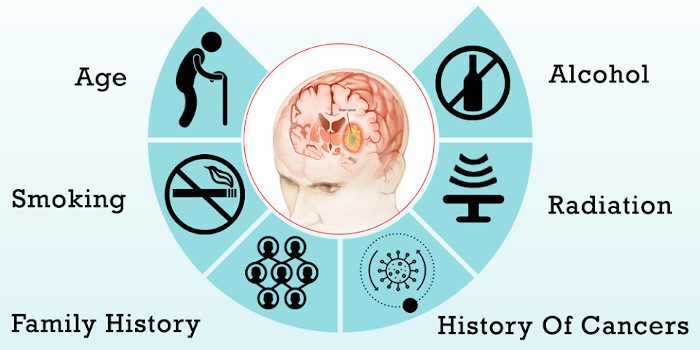
In most patients with primary brain tumours, the cause of the tumour is not clear. But doctors have identified some factors that may increase patient’s risk of a brain tumour.
- Exposure to radiation: Patients who have been exposed to a type of radiation called ionizing radiation have an increased risk of brain tumour. Examples of ionizing radiation include radiation therapy used to treat cancer and radiation exposure caused by atomic bombs.
- Family history of brain tumours: A small portion of brain tumours occurs in patients with a family history of brain tumours.
- Age: Brain tumours are more common in children and older adults, although patients of any age can develop a brain tumour.
- Gender: In general, men are more likely than women to develop a brain tumour. However, some specific types of brain tumours, such as meningioma, are more common in women.
- Home and work exposures: Exposure to solvents, pesticides, oil products, rubber, or vinyl chloride may increase the risk of developing a brain tumour.
- Exposure to infections, viruses, and allergens
- Ionizing radiation: Previous treatment to the brain or head with ionizing radiation, including x-rays, has been shown to be a risk factor for a brain tumour.
- Head injury and seizures: Serious head trauma has long been studied for its relationship to brain tumours. A history of seizures has also been linked with brain tumours, but because a brain tumour can cause seizures, it is not known if seizures increase the risk of brain tumours, if seizures occur because of the tumour, or if anti-seizure medication increases the risk.
Diagnosis
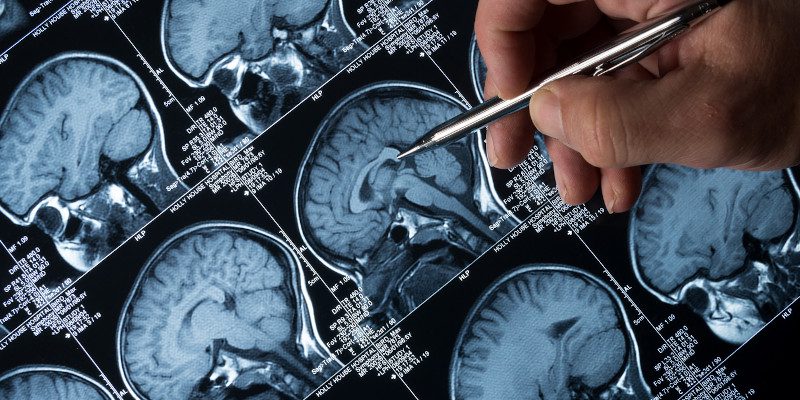
A number of tests and procedures are recommended to rule out the diagnosis.
- A neurological exam: A neurological exam may include checking:
- patient’s vision,
- hearing,
- body balance,
- coordination,
- strength and reflexes.
- Magnetic resonance imaging: MRI is commonly used to help diagnose brain tumours.
- Biopsy: A biopsy can be performed as part of an operation to remove the brain tumour, or a biopsy can be performed using a needle. The biopsy sample is then viewed in a laboratory under a microscope to determine if it is cancerous or benign.
- CT scan: A CT scan takes pictures of the inside of the body using x-rays taken from different angles that shows any abnormalities also size of tumour if present. A CT scan can help find bleeding and enlargement of the fluid-filled spaces in the brain, called ventricles.
- Positron emission tomography (PET) or PET-CT scan: A PET scan is used at first to find out more about a tumour while a patient is receiving treatment. It may also be used if the tumour comes back after treatment.
- Cerebral arteriogram is also called a cerebral angiogram: A cerebral arteriogram is an x-ray, or series of x-rays, of the head that shows the arteries in the brain. X-rays are taken after a special dye called a contrast medium is injected into the main arteries of the patient’s head.
- Lumbar puncture or spinal tap: A lumbar puncture is a procedure in which a needle is used to take a sample of cerebrospinal fluid to look for tumour cells, blood, or tumour markers. Tumour markers or biomarkers are substances found in higher than normal amounts in the blood, urine, spinal fluid, plasma or other bodily fluids of patients with certain types of tumours.
- Myelogram: The doctor may recommend a myelogram to find out if the tumour has spread to the spinal fluid, other parts of the brain, or the spinal cord. This is rarely done.
- Neurocognitive assessment: This consists of a detailed assessment of all major functions of the brain including storage and retrieval of memory, expressive and receptive language abilities, calculation, dexterity, and the overall well-being of the patient. These tests are done by a licensed clinical neuropsychologist.
- Electroencephalography (EEG): An EEG is a non-invasive test in which electrodes are attached to the outside of a patient's head to measure electrical activity of the brain. It is used to monitor for possible seizures.
Treatment Options for Brain cancer available at Oncoplus Hospital, Delhi
Treatment for a brain tumour depends on the type, size and location of the tumour, as well as patient’s overall health. Treatment methods commonly used are explained below:
Surgery
If the brain tumour is located in a place that makes it accessible for an operation, patient’s surgeon will work to remove as much of the brain tumour as possible.
In some cases, tumours are small and easy to separate from surrounding brain tissue, which makes complete surgical removal possible. Whereas, in other cases, tumours cannot be separated from surrounding tissue or they are located near sensitive areas in patient’s brain, making surgery risky. In these cases, the surgeon removes as much of the tumour as is safe.
Radiation therapy
Radiation therapy destroys cancer cells using high-energy beams, such as X-rays or protons.
External beam radiation can focus just on the area of patient’s brain where the tumour is located, or it can be applied to patient’s entire brain in case where cancer has spread to the brain from some other part of the body and forms multiple tumours in the brain.
Chemotherapy
Chemotherapy involves medicines to destroy cancer cells. Chemotherapy drugs can be consumed orally by the patient in pill form or can be injected into a vein. Many chemotherapy drugs are available and may be used depending on the type of cancer.
Chemotherapy side effects depend on the type and dose of drugs patients receive. Chemotherapy can cause nausea, vomiting and hair loss.
Tests of patient’s brain tumour cells can determine whether chemotherapy will be helpful for patients. The type of brain tumour patients have also is helpful in determining whether to recommend chemotherapy.
Targeted drug therapy
Targeted drug treatments aim at destroying cancer cells by identifying and blocking specific abnormalities present within cancer cells.
Targeted therapy drugs are available for certain types of brain tumours, and many more clinical trials are ongoing.
A mass or growth of abnormal cells in the human brain is called a Brain tumor. There are different types of brain tumors that exist, some are benign i.e, noncancerous while some brain tumors are malignant i.e, cancerous.
Brain tumors can begin in the brain or can begin in other parts of the body and spread to the brain.
Treatment options for brain tumors depend on the type of brain tumor, its size, and location in the body.
Signs and Symptoms OF Brain tumors
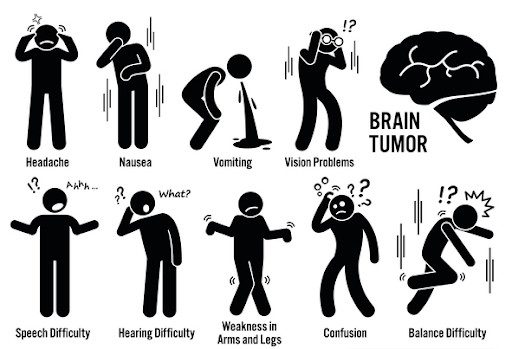
The signs and symptoms of a brain tumor depend on the brain tumor’s size, location, and rate of growth. Typical signs and symptoms caused by brain tumors include:
- Headaches that become more frequent and more severe with time
- A change in the pattern of headaches
- Vision problems including blurred vision in some cases or double vision in some cases.
- Loss of movement or sensation in an arm or a leg
- Problems with hearing capacity
- Difficulty with balancing the body
- Difficulties in speech
- Confusion in everyday matters
- Seizures, especially in those who do not have a history of seizures
- Unexplained nausea or vomiting
- Changes in behavior
Book an appointment with the best oncologists for cancer treatment as well as a diagnosis at the best cancer hospital in Delhi.
Causes of Brain tumors
PRIMARY BRAIN tumorS: Brain tumors that originate in the brain are termed primary brain tumors.
There are a few different types of primary brain tumors, each is named after a type of cells involved. Such Primary tumors include:
- Gliomas. These tumors begin in the brain or spinal cord and include astrocytomas, ependymomas, glioblastomas, oligoastrocytomas, and oligodendrogliomas.
- Meningiomas. A meningioma is a tumor that arises from the membranes surrounding our brain and spinal cord (meninges).
- Acoustic neuromas. These are benign tumors that develop on the nerves that control balance and hearing leading from the inner ear to the brain.
- Pituitary adenomas. These are mostly benign tumors that develop in the pituitary gland at the base of the brain.
- Medulloblastomas. These are the most common cancerous brain tumors in children while less common in adults. A medulloblastoma starts in the lower back part of the brain and tends to spread through the spinal fluid.
- Craniopharyngiomas. These type of tumors start near the brain’s pituitary gland that secretes hormones which control many body functions. As the craniopharyngioma grows, it can affect the pituitary gland and other structures near the brain.
SECONDARY BRAIN tumorS: Cancer that begins elsewhere and spreads to the brain are termed as secondary brain tumors. These types of tumors affect people having a history of cancer.
A few cancers that can spread to the brain include:
- Kidney cancer
- Lung cancer
- Breast cancer
- Colon cancer
- Melanoma
Risk Factors of Brain tumors
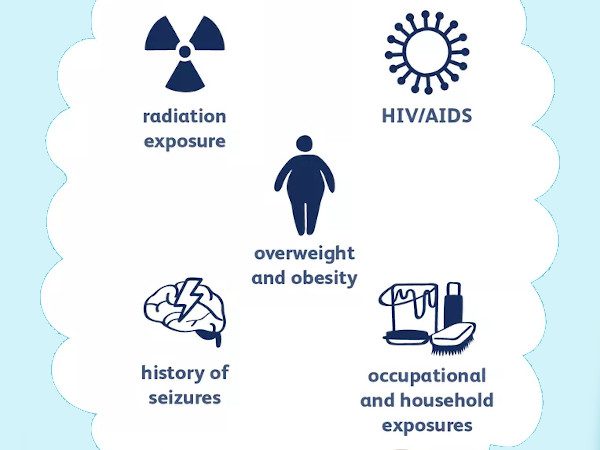
Some factors are responsible and are identified as risk factors to develop a brain tumor. These include:
- Exposure to radiation. People who are exposed to a type of radiation called ionizing radiation are at more risk of developing brain tumors. Ionizing radiation includes radiation used to treat cancer and radiation released by atomic bombs.
- Family history of brain tumors. People with a family history of brain tumors are at higher risk of brain tumors.
Diagnosis of Brain tumor
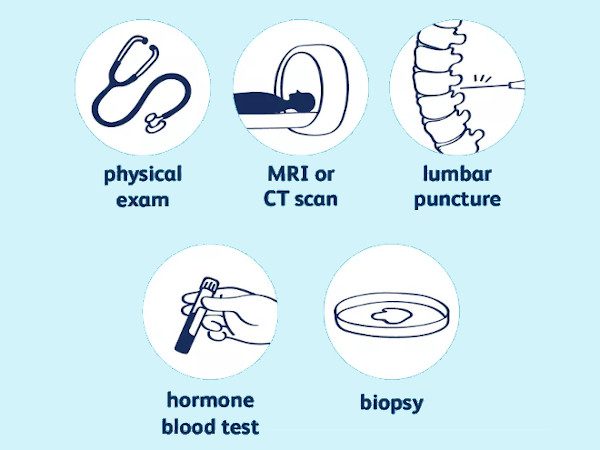
- A neurological exam: A neurological exam involves an examination of vision, hearing, balance, coordination, strength, and reflexes. Difficulty or abnormality in one or more areas may indicate which part of the brain could be affected by a brain tumor.
- MRI: Magnetic resonance imaging of the Brain is commonly used as an essential diagnostic tool for brain tumors.
- CT Scans: computerized tomography, Positron emission tomography (PET) may be used for brain imaging.
- BIOPSY: A biopsy can be performed as part of an operation to remove the brain tumor, or a biopsy can be performed using a needle. The biopsy sample is then viewed under a microscope to determine if it is cancerous or benign.
Treatment options available for Brain tumors at Oncoplus Hospital, Delhi
Treatment for a brain tumor is decided on the basis of the type, size, and location of the tumor, as well as the patient’s overall health.
Surgery
If the tumor is located in a place that is accessible for the surgery, Onco-Surgeon removes as much of the brain tumor as possible. As in some cases, tumors are small, in addition, can be separated easily from surrounding brain tissue, such tumors can be removed completely. While in some cases, tumors are located near sensitive areas in the brain or are difficult t separate from surrounding tissue make the surgical intervention risky. In such tumors, Onco-Surgeon removes as much of the tumor as safe. Removal of even a small portion of the tumor may help lessen the signs and symptoms.
Minimally Invasive Scarless Brain Surgery
At Oncoplus Hospital, Delhi, Neurosurgeons are experts in minimally invasive techniques. Our surgical team is able to successfully and safely remove the tumor. Minimal invasive surgeries for brain tumors reduce hospital stay also the recovery is fast.
Radiation Therapy
Radiation therapy uses high-energy X-rays or protons to destroy the cancerous cells.
External beam radiation focuses on that area of the brain where the tumor is located, or in some cases radiation therapy can be focused on the entire brain.
Stereotactic radiosurgery
Stereotactic radiosurgery is not a form of traditional surgery, radiosurgery uses multiple beams of radiation to give a highly focused form of radiation treatment to kill the tumor cells in a very small area. Each beam of radiation is not powerful particularly, but the point where all the beams meet at the brain tumor receives a very large dose of radiation to kill the tumor cells effectively.
Chemotherapy
Chemotherapy uses medicines to destroy cancerous tumor cells. Chemotherapy medicines can be taken orally as pills or can be injected into a vein. Many other chemotherapy medicines are available and may be used depending on the type of cancer.
Targeted Drug Therapy
Targeted drug treatments focus on specific abnormalities present within cancer cells. By blocking these abnormalities, targeted drug treatments can cause cancer cells to die.
Rehabilitation after Brain tumor Treatment
Since brain tumors can affect those parts of the brain that control motor skills, speech, vision, and thinking, hence rehabilitation is a necessary part of the recovery. A few essential therapies are required after brain tumor treatment:
- Physiotherapy to help regain lost motor skills including muscle strength and pain while joints movement.
- Occupational therapy helps the patient get back to his/her normal daily activities including work, after a brain tumor or other related ailment.
- Speech therapy by professional therapists to overcome the difficulty in speaking because of brain tumor.
- Tutoring for school-going children to help children copes with changes in their memory and concentration after a brain tumor.