In modern society, many parents place a high premium on their young children’s health and well-being. Statistics reveal a startling increase in toddler cancer diagnoses, making the fight against pediatric cancer an urgent issue. Although it is impossible to prevent every type of cancer, parents can reduce their child’s risk in several ways. Today, there are many top cancer hospitals in Delhi that offer advanced treatment, state-of-the-art facilities, and compassionate care, ensuring patients receive the best possible outcomes in their battle against cancer. Here, in this comprehensive guide, we will explore doable strategies for encouraging a healthy lifestyle in young children, laying the groundwork for a potential cancer prevention strategy.
Knowing About Childhood Cancer
Despite being very uncommon, childhood cancer is a severe problem that parents should be aware of. The three most prevalent forms of cancer in children are neuroblastoma, brain tumours, and leukaemia. Knowing these figures emphasizes how crucial early detection and preventative actions are, as they have the potential to save lives.
Let’s explore some effective preventive measures that can help protect our children from the risk of cancer and promote their long-term health and well-being.
- Healthy Diet
Toddlers’ general health is greatly influenced by their diet. The vital elements required for growth and development can be obtained from a balanced diet full of fruits, vegetables, whole grains, and lean meats. According to research, diets low in processed sugars and high in antioxidants may lower the risk of cancer.
Foods to Include:
- Fruits and Vegetables – Vitamins and minerals are abundant in vibrantly colored fruits and vegetables. For optimal nutrient intake, try to get a range of hues.
- Whole Grains – To get fiber and vital nutrients, choose whole-grain bread, pasta, and cereals.
- Lean Proteins – To promote healthy muscle growth, take into account foods like fish, poultry, eggs, and lentils.
Foods to Avoid:
- Processed Foods: Reduce consumption of prepackaged foods that are heavy in unhealthy fats and carbohydrates.
- Sugary Snacks: Steer clear of sugary drinks and candies as they can lead to obesity, which is a proven risk factor for several cancers.
Encouraging children to explore new foods can be achieved by making healthy eating enjoyable. Engage children in grocery shopping and meal planning to pique their curiosity about wholesome meals.
- Frequent Exercise
Toddlers need to be physically active because it fosters both cognitive and physical growth. Toddlers should engage in both planned and unstructured play for at least three hours per day.
Suggested Activities:
- Active Play – Participate in activities like tag, hide-and-seek, or dance parties promoting mobility.
- Interactive Games – Use easy sports or engage children in playground exercises that develop muscle and coordination.
In addition to promoting physical health, vigorous play also helps children develop their confidence and social skills.
- Secure Setting
For general health, a safe home environment must be established. Toddlers may be at risk for health problems due to the dangerous chemicals included in many household cleansers and pesticides.
Advice for a Secure Home:
- Whenever feasible, use environmentally friendly cleaning supplies.
- Reduce the amount of pesticides you use and use natural substitutes.
- Verify that the play places and toys are appropriate for your child’s age group and devoid of hazardous elements.
- Good Sleep Practices
Toddlers need to get enough sleep. Sleep enhances cognitive function, fosters growth, and may even help prevent cancer. You can help your child get the sleep they require by establishing a regular bedtime routine.
- Constant Bedtime: Set a constant bedtime for your child and ensure that they sleep and wake up at the same time every day.
- Establish a Calming Routine: Before going to bed, engage in peaceful activities like reading a book or having a warm bath.
- Limit Stimulants: To assist your youngster in falling asleep, cut back on sweets and screen time before bed.
- Frequent examinations of children –
Seeing a pediatrician on a regular basis is essential for tracking a child’s growth and well-being. Early detection of possible health problems, including screens for cancer-causing diseases, is made possible by routine check-ups.
Importance of Pediatric Visits:
- Make sure you get all the recommended and required vaccinations for protection.
- Talk about any worries you may have about your child’s developmental milestones.
- Follow your pediatrician’s recommendations for routine screenings.
- Set Screen Time Limits –
Overuse of screens has been connected to a number of health problems, such as obesity, which raises the risk of cancer. Limiting screen time and promoting more active, alternative hobbies are crucial.
Screen Time Substitutes:
- Take part in family-friendly activities like cooking, playing board games, and having fun outside.
- Instead of depending on screens, think about educational toys and books that foster creativity and learning.
- Awareness and Education –
By educating their children, parents can help prevent cancer. Parents can be empowered to take action by being aware of risk factors and keeping the lines of communication open about health.
Parental Resources:
- Keep up with trustworthy websites and medical groups that address cancer prevention and pediatric health.
- Participate in community organizations or support groups that raise awareness of cancer and its prevention strategies.
Conclusion
Although the idea of our children developing cancer can be frightening, risks can be considerably decreased by arming parents with information and practical solutions. Toddlers can have a healthier future if we prioritize frequent health check-ups, safe surroundings, active lifestyles, and good foods. Recall that establishing a healthy lifestyle at a young age is essential to reducing the risk of developing cancer. It is essential to speak with a physician at a respectable Cancer Specialist Hospital in Delhi like Oncoplus about any worries or possible symptoms.
Since Oncoplus is a network of specialized cancer care facilities that provide excellent cancer treatments utilizing state-of-the-art technology, you will receive world-class cancer care here. Because we are aware of the pain that cancer patients endure, our committed team and compassionate personnel work tirelessly every day to make sure that our patients have a positive experience. So, prevent childhood cancer with the helpful tips discussed above in the guide, and if you need any consultation, do visit the specialists for early detection and care.
Skin cancer is a serious health concern that demands immediate and effective treatment for optimal results. This guide explores the complexities of skin cancer surgery, focusing on the various procedures in Delhi, India. It also delves into the potential side effects and the recovery process. Whether you’ve just been diagnosed or want to understand your treatment options better, this article is here to guide you through the complexities of managing skin cancer.
Key Takeaways
- Comprehensive overview of skin cancer treatment options in Delhi, India.
- In-depth exploration of common surgical procedures and their potential side effects.
- Detailed guidance on the recovery timeline and post-operative care management.
- Insights into advanced treatment approaches available in leading Delhi hospitals.
- Practical tips for pre-surgery preparation and long-term prevention strategies.
Understanding Skin Cancer Types and Diagnosis
Early detection and accurate diagnosis are key to treating skin cancer effectively. There are three main types: basal cell carcinoma, squamous cell carcinoma, and melanoma. Each has its own characteristics and diagnostic methods.
Basal Cell Carcinoma Characteristics
Basal cell carcinoma is the most common skin cancer. It often appears as a small, pearly or waxy bump. These growths usually occur on sun-exposed areas like the face, head, and neck. They can grow larger over time.
Squamous Cell Carcinoma Signs
Squamous cell carcinoma is another common type of skin cancer. It shows up as a firm, red nodule or a flat, scaly lesion. These can appear anywhere on the body but are most common on sun-exposed areas like the hands, arms, and face.
Melanoma Detection and Staging
Melanoma is the most serious form of skin cancer. It can be detected by looking for changes in moles or the appearance of new growths. Early detection is critical because melanoma can spread quickly if not treated. Hospitals in Delhi, like the best for blood cancer, offer detailed diagnostic and treatment services.
| Skin Cancer Type | Characteristics | Diagnostic Procedure |
|
|
|
|
|
|
|
|
|
Knowing the characteristics and diagnostic processes for each skin cancer type is vital for early detection and effective treatment. Vigilance and seeking professional medical help can significantly improve outcomes in fighting this potentially deadly disease.
Skin Cancer Treatment Surgery and Its Side Effects
Skin cancer treatment often involves surgical interventions to remove the affected tissue and prevent the disease from progressing. Leading cancer treatment centers in Delhi specialize in various surgical procedures tailored to the specific type and stage of skin cancer. Understanding the common surgical options and their potential side effects is crucial for patients seeking the most suitable treatment plan.
Common Surgical Procedures
Mohs surgery is a widely used technique for skin cancer treatment. It involves the removal of thin layers of the affected skin, with each layer being examined under a microscope to ensure complete removal of the cancer cells. Excision, another common approach, involves the surgical removal of the entire tumor along with a margin of healthy skin surrounding it. Cryosurgery, or freezing the cancerous tissue, is also employed for certain types of skin cancer, particularly in cases where the tumor is small and superficial.
Recovery Timeline and Care
The recovery timeline for skin cancer treatment surgery can vary depending on the procedure and the extent of the affected area. Typically, patients may experience some swelling, redness, and discomfort in the initial days following the surgery. Proper wound care, including keeping the area clean and applying prescribed ointments, is essential during this period. Most patients can return to their normal activities within a few weeks, although the timeline may be longer for more extensive procedures.
Post-Surgery Complications
While skin cancer treatment surgery is generally safe and effective, there are some potential complications that patients should be aware of. These may include infection, bleeding, scarring, and in rare cases, nerve damage or loss of function in the affected area. Patients are advised to closely follow the post-operative instructions provided by their healthcare team to minimize the risk of complications and ensure a smooth recovery.
| Surgical Procedure | Description | Potential Side Effects |
|
|
|
|
|
|
|
|
|
By understanding the common surgical procedures, recovery timelines, and potential complications, patients can make informed decisions and work closely with their healthcare providers to achieve the best possible outcomes in their skin cancer treatment journey.
Advanced Treatment Options in Delhi’s Leading Hospitals
Delhi’s top hospitals lead in cutting-edge skin cancer treatment, offering innovative therapies and advanced equipment. These institutions boast a team of skilled oncologists. They use a multidisciplinary approach for comprehensive patient care.
At the best hospital for blood cancer in Delhi, patients access various advanced treatments. These include targeted therapies, immunotherapy, and photodynamic therapy. These methods target cancer’s unique traits, providing precise and effective treatment with fewer side effects.
The cancer treatment in Delhi’s leading hospitals benefits from cutting-edge technology. This includes advanced imaging and robotic-assisted surgeries. Such technology aids in accurate diagnosis, personalized treatment plans, and minimally invasive procedures. This leads to better outcomes and faster recovery times for patients.
“The multidisciplinary approach at our hospital ensures that each patient receives tailored care that addresses their unique needs and concerns.”
Delhi’s top hospitals also focus on patient-centered care. They offer comprehensive support services. This includes counseling, rehabilitation, and survivorship programs. These services help patients and their families through their cancer journey.
For those seeking the best skin cancer treatment in Delhi, the city’s leading hospitals offer a compelling combination. They provide cutting-edge technology, innovative therapies, and compassionate care. All are designed to deliver the highest standard of cancer care.
Pre-Surgery Preparation and Assessment
Before undergoing skin cancer treatment surgery, patients must undergo a thorough pre-surgery preparation and assessment process. This critical step ensures that the patient is physically and mentally ready for the upcoming procedure. It minimizes potential risks and complications.
Required Medical Tests
Patients will need to complete a series of medical tests to provide a comprehensive snapshot of their current health status. These may include:
- Bloodwork to assess general health and detect any underlying conditions
- Imaging scans, such as CT, MRI, or PET scans, to evaluate the extent and location of the skin cancer
- Biopsy to confirm the cancer type and stage
- Cardiovascular evaluation to ensure the heart is healthy enough for surgery
Lifestyle Adjustments Before Surgery
Patients may be advised to make certain lifestyle changes in the weeks leading up to their skin cancer treatment surgery in Delhi. This can include:
- Quitting smoking and limiting alcohol consumption to promote better healing
- Maintaining a healthy, nutrient-rich diet to support the body’s recovery process
- Engaging in light exercise to improve overall fitness and circulation
- Managing stress through relaxation techniques or counseling
Consultation Process
The final step in the pre-surgery preparation is a comprehensive consultation with the skin cancer treatment team in Delhi. During this meeting, patients can expect to discuss:
- The specific surgical procedure and its expected outcomes
- Potential risks and side effects associated with the surgery
- Pre-op and post-op care instructions
- Any questions or concerns the patient may have
By completing these essential steps, patients can feel confident and well-informed as they approach their skin cancer treatment surgery in Delhi.
Post-Operative Care and Recovery Management
Recovering from skin cancer surgery demands careful post-operative care and tailored management. At the best hospital for blood cancer in Delhi, patients receive thorough follow-up support. This ensures a smooth and successful recovery.
Wound Care and Pain Management
Proper wound care is vital in the days and weeks after surgery. Patients get detailed instructions on cleaning the incision site and applying dressings. They also learn to monitor for infection signs. Pain management is a priority, with the right medications and techniques provided.
Follow-up Appointments
Regular follow-ups with the surgical team are crucial. These visits track the healing process and address concerns. They may include suture removal, wound assessments, and discussions on recovery progress. Close monitoring ensures the skin cancer treatment surgery site heals correctly.
Lifestyle Adjustments
- Patients may need to modify their daily activities and routines to support the healing process, such as avoiding strenuous physical activity or certain skincare regimens.
- Healthcare providers will provide personalized recommendations on how to adapt lifestyle habits during the recovery period.
By adhering to the post-operative care protocols of the best hospital for blood cancer in Delhi, skin cancer surgery patients can look forward to a successful recovery. They can then return to their normal daily lives.
Long-Term Follow-Up and Prevention Strategies
Skin cancer demands ongoing care and attention, even after treatment. Regular screenings and preventive actions are key to long-term health and lowering recurrence risks.
Regular Screening Schedule
Those treated for skin cancer must see their dermatologist or oncologist regularly. These visits, spaced every 6 to 12 months, depend on individual risk factors and cancer type. Healthcare providers will examine the skin for new or suspicious lesions, ensuring early detection and treatment of any recurrence.
Sun Protection Methods
- Use broad-spectrum sunscreen with an SPF of at least 30, applying it generously and reapplying every 2 hours when outdoors.
- Wear protective clothing, such as long-sleeved shirts, pants, and wide-brimmed hats, to cover exposed skin.
- Seek shade, especially during the peak hours of the day when the sun’s rays are strongest.
- Avoid tanning beds and sunlamps, which can increase the risk of skin cancer.
Lifestyle Modifications
| Recommended Lifestyle Changes | Benefits |
| Quitting smoking | Reduces the risk of developing squamous cell carcinoma and other types of skin cancer. |
| Maintaining a healthy weight | Excess body weight has been linked to an increased risk of certain types of skin cancer. |
| Eating a nutrient-rich diet | Certain vitamins and antioxidants can help support skin health and potentially reduce the risk of skin cancer. |
By focusing on regular screenings, sun-safe habits, and lifestyle changes, skin cancer patients can actively manage their health. This approach reduces the chance of future skin cancer diagnoses. Consulting with top cancer treatment in Delhi experts offers tailored advice for each individual’s prevention needs.
Conclusion
Skin cancer treatment surgery is a crucial step in managing this widespread condition, especially in Delhi’s top hospitals. Understanding the different types of skin cancer, their characteristics, and the advanced treatment options available is key. This knowledge empowers patients to make informed decisions and receive the care they need.
The recovery process, potential side effects, and long-term follow-up strategies are vital for the best outcomes in skin cancer patients. Choosing the right hospital, like the best hospital for blood cancer in Delhi, and following the recommended care plan are crucial. These steps can greatly improve treatment success and long-term prognosis.
Prevention efforts, such as regular skin cancer screenings, sun protection, and lifestyle changes, are also crucial. They help maintain overall skin health and lower the risk of recurrence. By staying vigilant and prioritizing their well-being, individuals in Delhi can proactively address skin cancer treatment surgery. This ensures their long-term health and quality of life.
Lung cancer is a tough foe, but new ways to find it early and treat it are giving hope. This guide will show why finding lung cancer early is key. It will also cover the many ways to fight it and get your health back.
Key Takeaways
- Early detection of lung cancer significantly improves the chances of successful treatment and survival.
- Screening methods and technologies play a crucial role in identifying lung cancer at its earliest stages.
- A range of traditional and innovative treatment options are available, including surgery, chemotherapy, and targeted therapies.
- Adopting a healthy lifestyle and actively managing side effects can enhance the effectiveness of treatment and support your recovery.
- Comprehensive support systems and resources are available to guide you through the lung cancer journey.
Understanding Lung Cancer: Types and Risk Factors
Lung cancer is a complex disease with different forms. Each form has its own characteristics and treatment options. The two main types are non-small cell lung cancer (NSCLC) and small cell lung cancer (SCLC).
Common Types of Lung Cancer
NSCLC is the most common type, making up about 85% of cases. It includes subtypes like adenocarcinoma, squamous cell carcinoma, and large cell carcinoma. SCLC, on the other hand, accounts for 15% of cases and grows and spreads quickly.
Key Risk Factors to Consider
Smoking is the main risk factor for both NSCLC and SCLC, causing up to 90% of cases. Other risks include radon exposure and occupational hazards like asbestos and diesel exhaust.
Genetic Predisposition and Family History
Genetics and family history also play a role in lung cancer. If you have a first-degree relative with lung cancer, your risk increases.
Knowing about lung cancer types and risk factors is key for early detection and treatment. Understanding NSCLC, SCLC, and the impact of genetics and environment helps individuals stay healthy. They can monitor their health and seek medical help when needed.
Early Warning Signs and Symptoms of Lung Cancer
It’s vital to spot the early signs of lung cancer to get timely medical help. This can lead to better treatment results. Look out for these common symptoms:
- Persistent Cough: A cough that lasts more than a few weeks, especially if it brings up blood or mucus, could be a sign of lung cancer.
- Chest Pain: Chest pain that doesn’t go away, especially when you breathe deeply, cough, or laugh, might indicate lung cancer.
- Unexplained Weight Loss: Losing weight suddenly without any clear reason can sometimes be an early lung cancer symptom.
Keep in mind, these symptoms can also point to other health issues. Still, it’s wise to see a doctor if you notice them, especially if they don’t go away or get worse.
Spotting lung cancer early is key to better treatment chances. If you or someone you care about is showing these lung cancer symptoms, get in touch with your doctor right away. They’ll do a full check-up.
|
|
|
|
|
|
|
|
|
|
|
|
Don’t wait to see your doctor if you notice these lung cancer symptoms. Early detection is crucial.
How Can Lung Cancer Be Detected Early And Treated?
Early detection is key in the fight against lung cancer. Low-dose CT scans are very effective in spotting lung problems early. They are especially recommended for those at high risk, like smokers or those exposed to harmful substances.
Screening Methods and Technologies
There are other ways to find lung cancer early too. These include:
- Sputum cytology: This test looks at lung mucus for any odd cells.
- Chest X-rays: They can find big lung tumors, but are not as good as CT scans.
- Bronchoscopy: This uses a small camera to check the lungs for growths.
When to Schedule Regular Check-ups
The lung cancer screening guidelines say high-risk people should get annual CT scans starting at 55. Regular visits to your doctor are also key to catch lung cancer early.
Risk Assessment Tools
Knowing your risk of lung cancer is important. Tools like the National Cancer Institute’s Lung Cancer Risk Assessment Tool help. They look at your age, smoking history, and family history.
By knowing about screening methods, following check-up schedules, and using risk tools, you can fight lung cancer early. This increases your chances of successful treatment.
|
|
|
|
|
|
|
|
|
|
|
|
|
|
|
“Early detection is the key to fighting lung cancer. With the right screening methods and a proactive approach to your health, you can increase your chances of catching this disease in its earliest stages.”
Advanced Diagnostic Techniques for Lung Cancer
Getting lung cancer diagnosed and staged right is key to a good treatment plan. These advanced methods go beyond simple checks and scans. They dig deeper to confirm cancer and see how far it has spread.
Biopsy Procedures
A biopsy is the top way to confirm lung cancer. There are a few types of biopsies:
- Needle biopsy: A thin needle takes a small lung tissue sample.
- Bronchoscopic biopsy: A tiny tool is inserted through the mouth or nose to get a sample.
- Surgical biopsy: A small lung part is removed for a closer look, often during surgery.
Imaging Tests for Staging
After confirming lung cancer, more tests help figure out its stage. PET scans are especially helpful. They give a detailed body view and spot any cancer spread.
|
|
|
|
|
|
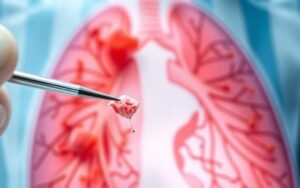
A close-up of a mepsy procedure in a sterile environment, showcasing a needle delicately extracting tissue from a lung, with anatomical diagrams of lung structure subtly in the background, conveying the advanced diagnostic techniques used in lung cancer detection, bright clinical lighting emphasizing precision and care.
“Early and accurate diagnosis is key to improving outcomes for lung cancer patients. Advanced diagnostic techniques play a critical role in this process.”
Traditional Treatment Options for Lung Cancer
Traditional treatments for lung cancer include surgery, chemotherapy, and radiation therapy. These methods are still key in fighting this disease. Let’s dive into each one.
Surgery and Recovery Process
Surgery is often the first choice for lung cancer patients. A common surgery is a lobectomy, where the affected lung lobe is removed. The recovery is tough, but surgery has gotten better, making it easier and faster.
Patients work with their doctors to get through the recovery. This helps them smoothly return to their daily lives.
Chemotherapy Protocols
Chemotherapy uses drugs to fight cancer. Doctors create chemotherapy protocols just for each patient. They consider the cancer’s stage and the patient’s health.
Chemotherapy is effective but can have side effects. Managing these side effects is crucial.
Radiation Therapy Approaches
Radiation therapy uses energy to kill cancer cells. It can be used alone or with other treatments. The type of radiation therapy depends on the cancer’s stage and location.
Traditional treatments are still vital in lung cancer care. But, new targeted therapies and clinical trials are changing the game. Understanding these options helps patients and doctors create a treatment plan that fits each person’s needs.
|
|
|
|
|
|
|
|
|
|
|
|
Innovative Therapies and Clinical Trials
The field of lung cancer treatment is changing fast. Researchers are looking into new ways to help patients. Two big areas getting a lot of attention are immunotherapy and precision medicine.
Immunotherapy uses the body’s immune system to fight cancer. It boosts the immune system or blocks cancer’s way to hide. Many immunotherapy drugs are now approved for lung cancer. Trials are looking at how they work with other treatments.
Precision medicine is all about personal treatment plans. Doctors look at each patient’s cancer to find the best treatment. This method has shown great results, making treatments more effective and less harsh.
There are also experimental treatments being tested in trials. These studies look at new drugs, combinations, and technologies. They offer patients a chance to try treatments that might not be available yet.
Keeping up with immunotherapy, precision medicine, and experimental treatments is important. Talking to your doctor about these options can help you choose the best treatment for you.
|
|
|
|
|
|
|
|
|
|
|
|
“The future of cancer treatment lies in the integration of innovative therapies and personalized approaches. By harnessing the power of the immune system and tailoring treatments to individual needs, we can unlock new possibilities for improving patient outcomes.”
Lifestyle Changes During Treatment
Dealing with lung cancer treatment can be tough. But, making smart lifestyle changes can really help. Focus on good nutrition, staying active, and managing stress. These steps support your body’s healing and boost your strength.
Nutrition Guidelines
Eating well is key during treatment. Eat lots of fresh fruits, veggies, whole grains, and lean proteins. Drink plenty of water and talk to your doctor about supplements to fill any gaps in your diet.
Exercise Recommendations
Exercise helps with side effects like tiredness and muscle loss. Talk to your doctor to create a workout plan that’s right for you. Even simple activities like walking or yoga can help a lot.
Stress Management Techniques
Cancer treatment can be emotionally hard. Mindfulness, like meditation or deep breathing, can help you relax. Also, hobbies, time with loved ones, and counseling or support groups are great ways to cope.
By focusing on nutrition, exercise, and stress relief, you can take control during treatment. This approach helps you recover stronger and more fully.
|
|
|
|
|
|
By making smart lifestyle changes and focusing on your well-being, you can face lung cancer treatment with more strength and energy.
Support Systems and Resources for Patients
When you get a lung cancer diagnosis, it can be tough. But, there are many support systems and resources to help you and your family. They offer emotional, practical, and financial support during this hard time.
Connecting with Support Groups
Joining a support group can be very helpful. You can find friends, share stories, and learn from others who face similar challenges. These groups meet in person or online, offering a place to talk and get advice.
Accessing Patient Advocacy Organizations
Patient advocacy groups help people with lung cancer. They give info on treatments, connect you with doctors, and help with insurance and money issues. These groups have case managers to help you every step of the way.
Exploring Financial Assistance Options
Lung cancer treatment can be expensive. But, there are financial help programs to ease the cost. These include co-pay help, grants, and charity support. They help you focus on getting better without worrying about money.
You don’t have to go through this alone. Use the support systems and resources out there. They can offer the help, emotional support, and practical aid you need.
Prevention Strategies and Regular Screening
Lung cancer is a tough opponent, but there’s good news. Effective prevention and screening can lower your risk. By being proactive, you and your loved ones can fight this disease.
Smoking Cessation Programs
Stopping tobacco use is key to preventing lung cancer. Quitting smoking is a huge step towards lowering your risk. Use proven programs with counseling and nicotine help to quit for good.
Environmental Risk Reduction
It’s also important to tackle environmental risks. Radon testing and removal can help fight lung cancer. Keeping indoor air clean and avoiding harmful chemicals are also crucial for lung cancer prevention.
Screening Schedule Guidelines
- People at high risk, like heavy smokers, should get regular lung cancer screening at 50.
- Screening often uses a low-dose CT scan to catch cancer early.
- Stick to your screening schedule based on your risk. Talk to your doctor to find the best plan for you.
By using these prevention methods and getting regular screenings, you can fight lung cancer. Early detection and action are vital in this battle.
“Prevention is better than cure. Early detection is key in the fight against lung cancer.”
Managing Side Effects and Recovery
Dealing with lung cancer treatment can be tough, but you’re not alone. Palliative care helps ease side effects and discomfort. It ensures your well-being during treatment. A team of healthcare pros is ready to help with pain, breathing issues, and emotional support.
Survivorship programs are key to getting your life back. They guide you on lifestyle changes, emotional support, and resources. By focusing on self-care and staying positive, you can actively recover and live fully again.
You’re not alone in this fight. Your healthcare team and supportive resources are here to help. With the right support, you can overcome treatment side effects and look forward to a healthier future.
FAQ
What are the common types of lung cancer?
Lung cancer mainly comes in two types: non-small cell lung cancer (NSCLC) and small cell lung cancer (SCLC). NSCLC makes up about 85% of cases.
What are the key risk factors for lung cancer?
Smoking is the biggest risk for lung cancer. Secondhand smoke, radon gas, asbestos, and pollutants also increase risk. Family history and genes play a role too.
What are the early warning signs and symptoms of lung cancer?
Look out for a cough that won’t go away, coughing up blood, and chest pain. Shortness of breath, hoarseness, and unexplained weight loss are also signs. Tell your doctor if you notice any of these.
How can lung cancer be detected early?
Early detection is key. Low-dose CT scans are the best way to catch lung cancer early. Talk to your doctor about getting screened if you’re at high risk.
What are the different treatment options for lung cancer?
Treatment for lung cancer can include surgery, chemotherapy, and radiation. Targeted and immunotherapy are also options. Your treatment plan depends on your cancer type, stage, and health.
How can I manage the side effects of lung cancer treatment?
Your healthcare team can help with side effects like fatigue and nausea. Palliative care and lifestyle changes can also improve your quality of life.
What resources are available to support lung cancer patients and their families?
There are many resources for lung cancer patients and families. Support groups, advocacy organizations, and financial help are available. Your healthcare team can connect you with these resources.
How can I reduce my risk of developing lung cancer?
Quitting smoking is the best way to lower your risk. Regular screening, radon testing, and avoiding pollutants are also important.
If you’re preparing to undergo chemotherapy in Delhi, it’s crucial to approach this transformative journey with proper preparation. Whether you’re consulting the best cancer doctor in Delhi, seeking the best cancer treatment in Delhi, or receiving care at the best hospital for blood cancer in Delhi, thoughtful planning can help you navigate chemotherapy with resilience and confidence. This comprehensive guide offers insights on preparing physically, emotionally, and practically for chemotherapy while making the most of the top-tier care available in the capital city.
Understanding Chemotherapy and What to Expect
Chemotherapy is a cornerstone of cancer treatment, using potent drugs to destroy cancer cells or slow their growth. However, it can also affect healthy cells, leading to side effects such as fatigue, nausea, and hair loss. When you’re under the care of the best cancer doctor in Delhi, they’ll provide detailed guidance on your treatment plan, expected outcomes, and side effect management. Familiarizing yourself with these aspects beforehand will help you feel more in control and better equipped to handle challenges.
Physical Preparation: Strengthening Your Body
Undergoing chemotherapy requires your body to be as strong as possible. Taking steps to prepare physically will improve your ability to tolerate treatment and recover effectively.
- Follow Nutritional Advice from Experts
Your healthcare provider or nutritionist—often available at the best hospital for blood cancer in Delhi—will recommend a diet rich in essential nutrients. Emphasize fruits, vegetables, whole grains, and lean proteins to fortify your body and improve your immune system. - Hydration is Key
Staying hydrated helps your body manage chemotherapy’s effects. Aim for adequate water intake daily, unless advised otherwise by your medical team. - Light Exercise Can Make a Difference
Incorporating moderate physical activity like walking or yoga can boost your energy levels and keep your muscles active. However, always consult your oncologist or the best cancer doctor in Delhi before starting any exercise routine. - Address Preexisting Health Issues
Chemotherapy can weaken your body, so it’s wise to resolve dental or general health issues beforehand. This will reduce the risk of infections during treatment.
Emotional Preparation: Building Inner Strength
The emotional toll of chemotherapy can be as significant as the physical one. With the right mindset and support system, you can navigate the journey with greater ease.
- Build a Strong Support System
Friends, family, and support groups are invaluable during this time. The best cancer treatment in Delhi often includes access to counselors or support groups, where you can share your experiences and gain strength from others facing similar challenges. - Consider Therapy
If the emotional burden feels overwhelming, seek help from a therapist or counselor specializing in oncology. Many top hospitals in Delhi provide these services to support patients’ mental well-being. - Practice Relaxation Techniques
Techniques like meditation, deep breathing, and mindfulness can help reduce anxiety and improve focus. Regular practice can ease the stress of treatment and help you maintain a sense of calm. - Set Realistic Expectations
Chemotherapy is a journey with its ups and downs. Understanding this and celebrating small victories—such as completing a session—can help you stay motivated.
Practical Tips to Navigate Chemotherapy
- Choose the Right Hospital
If you’re undergoing treatment at the best hospital for blood cancer in Delhi, you’ll benefit from state-of-the-art facilities, experienced medical teams, and personalized care. Make sure to familiarize yourself with the hospital’s resources to make your experience smoother. - Organize Your Daily Schedule
Chemotherapy sessions can be time-intensive, and you may need ample rest afterward. Adjust your daily routine accordingly, delegating tasks to loved ones when possible. - Prepare for Side Effects
Work with your doctor to anticipate and manage side effects. For nausea, ensure you have prescribed medications on hand, and for hair loss, consider exploring wigs or scarves before starting treatment. - Keep Essentials Handy
Bring items that make you comfortable during chemotherapy sessions, such as a blanket, snacks, or headphones. Familiar items can help create a sense of normalcy during treatments.
Staying Resilient Throughout Your Journey
Chemotherapy requires strength, determination, and adaptability. Leveraging expert care and your personal resilience will make this process more manageable.
- Trust Your Medical Team
The best cancer doctor in Delhi will tailor your treatment to your specific needs, addressing side effects and adjusting the approach as necessary. Maintain open communication with your doctor to feel confident and informed. - Stay Positive
A positive mindset doesn’t mean denying the challenges but rather focusing on the progress you’re making. Reflecting on how far you’ve come can be a powerful motivator. - Engage in Enjoyable Activities
Activities like reading, painting, or gardening can provide much-needed mental relief. Small moments of joy can make a significant difference in maintaining balance during treatment.
Leveraging the Best Cancer Care in Delhi
Delhi is home to some of the most advanced oncology care in India, offering cutting-edge treatment options and compassionate support.
- Access the Best Cancer Treatment in Delhi
The capital’s top cancer treatment centers combine medical expertise with comprehensive care. They offer services such as personalized treatment plans, nutritional counseling, and emotional support, ensuring that patients receive holistic care. - Seek Support at Premier Institutions
If you’re being treated at the best hospital for blood cancer in Delhi, take advantage of their extensive resources. Many institutions provide access to clinical trials, alternative therapies, and patient support programs.
Looking Ahead: Preparing for Life After Chemotherapy
Even as you focus on chemotherapy, it’s essential to think about recovery and life after treatment.
- Plan for Rehabilitation
Post-treatment care often involves physical therapy, dietary adjustments, and regular check-ups. The best cancer doctor in Delhi will guide you through this phase to ensure a smooth recovery. - Celebrate Milestones
Marking each completed session or the end of treatment with a small celebration can boost morale and remind you of your strength. - Reflect on Your Journey
Use your experiences to inspire others. Sharing your story, whether through writing, speaking, or mentoring, can be both healing and empowering.
Conclusion
Preparing for chemotherapy can feel overwhelming, but with the right support and resources, you can approach it with confidence. Whether you’re receiving care from the best cancer doctor in Delhi, undergoing the best cancer treatment in Delhi, or being treated at the best hospital for blood cancer in Delhi, remember that you’re not alone. By nurturing your physical health, maintaining emotional resilience, and staying proactive, you can face chemotherapy with courage and determination. Embrace this journey as a step toward recovery and healing, supported by the expertise and care of Delhi’s world-class medical professionals.
Have you ever stopped to consider the world’s most common cause of death? Well, nowadays, there are so many diseases through which people have died for no reason. However, cancer remains the world’s most significant cause of death, accounting for around 10 million fatalities per year. With millions of cases reported annually, cancer comes in numerous forms. Yet, a beacon of hope for cancer treatment in Delhi emerges amidst this sobering statistic, i.e. Tomotherapy. This comprehensive guide will explore the principles of tomotherapy, its benefits, and its role in modern healthcare.
Understanding Tomotherapy –
Combining the words ‘Tomography’ and ‘Therapy’, ‘Tomotherapy’ refers to a more advanced type of Intensity-Modulated Radiation Therapy (IMRT). Using cutting-edge imaging and delivery methods, malignancies can be precisely targeted. This technique uses a helical (spiral) radiation delivery system to give continuous treatment while taking precise pictures of the surrounding tissues and tumours.
How Does It Operate?
Tomotherapy’s dual-function system is its fundamental component. It uses a highly concentrated radiation beam to target specific tumour volumes, as opposed to typical radiation therapy, which may treat a vast portion of the body. This is how it operates:
- Imaging: CT scans are performed on patients before treatment to obtain accurate anatomical images of the tumour and adjacent organs. The tumour’s precise position, size, and form can be ascertained using this imaging.
- Treatment Planning: Radiation oncologists use advanced software to build a treatment plan that considers the tumour’s size and how it interacts with healthy tissues. This strategy ensures the tumour receives the most radiation dose possible without endangering neighbouring organs.
- Delivery: Radiation is delivered by the tomotherapy equipment in a spiral pattern, which enables the radiation beam to be continuously adjusted as it revolves around the patient. High radiation doses can be given more quickly with this helical delivery than with traditional techniques.
- Monitoring: Throughout the course of therapy, the system continuously assesses the tumour’s location and modifies the radiation beam as needed to consider any movement brought on by the patient’s breathing or variations in the tumour’s size.
Advantages of Tomotherapy –
- Accurate Targeting:
Tomotherapy has many benefits, one of which is its precision. Conventional radiation treatments frequently subject healthy tissues to needless radiation, which may have unfavorable effects. This is especially helpful in treating tumours that are close to vital organs like the brain, lungs, or abdomen.
- Flexibility:
Radiation therapy’s efficacy may be impacted by a tumour’s size and form changes throughout treatment. The tomotherapy system has the ability to recalibrate in the event that a tumour shrinks or changes position, guaranteeing that the radiation dose is nonetheless administered precisely.
- Shorter Duration of Therapy:
Patients undergoing traditional radiation therapy may find the multiple daily sessions over several weeks to be quite stressful on their bodies and minds. However, using tomotherapy, the length of the treatment could be significantly reduced. Many patients can complete their treatment in fewer sessions because of its effective administration of high doses of radiation.
- Enhanced Comfort for Patients:
Tomotherapy’s accuracy also helps to increase patient comfort. Because the treatment is focused, many patients report less discomfort and side effects. Patients frequently report improved quality of life both during and after treatment because they are exposed to less healthy tissues.
- Wide Range of Use:
Prostate, breast, lung, and brain cancers are just a few of the many malignancies that can be treated with tomotherapy due to its versatility. Because of its accuracy, it’s an excellent choice for cancers that are hard to treat with traditional radiation techniques. It is also appropriate for patients of all ages, making it a valuable cancer tool.
Tomotherapy in Practice – Selected Cases
Let us examine a few case studies demonstrating the efficacy of tomotherapy in treating various cancer types to provide more context for understanding its effects.
Case Study 1 – Cancer of the Prostate
Tomotherapy was chosen over traditional therapies by a 65-year-old man who had been diagnosed with localized prostate cancer because of its precision and lower side effects. As part of the treatment strategy, the prostate was the target of several tomotherapy sessions, with the bladder and rectum remaining unaffected. The patient had few adverse effects during treatment, and subsequent imaging revealed a considerable tumour shrinkage that spared the surrounding tissues. This instance demonstrates how tomotherapy can effectively cure cancer while maintaining the patient’s quality of life.
Read More Blog: Hormone Therapy For Prostate Cancer
Case Study 2 – Brain Tumor
In another case, tomotherapy was used to treat a 40-year-old woman who had been diagnosed with glioblastoma, a very severe form of brain cancer. Precise targeting was crucial because the tumour was close to critical brain structures. The tomotherapy technique minimized exposure to healthy brain tissue while enabling the delivery of high-dose radiation to the cancer. The patient experienced only mild side effects, and post-treatment imaging showed a considerable reduction in tumour size, allowing her to continue her high-quality lifestyle during therapy.
Read More Blog: Myths And Facts About Brain Tumors
Case Study 3 – Cancer in Children
When receiving cancer therapy, pediatric children can pose unique challenges. Tomotherapy was used to treat a 10-year-old child who had been diagnosed with neuroblastoma. The medical staff was able to modify the radiation regimen to target the tumour and safeguard his developing organs. The youngster experienced little discomfort at the end of his therapy, with no significant long-term adverse effects. This instance demonstrates how tomotherapy can be tailored to the needs of younger patients, offering a more secure and efficient course of treatment.
The Prospects for Tomotherapy –
Tomotherapy appears to have a bright future as long as technology keeps developing. Ongoing research further enhances its capabilities, including developing even more efficient radiation delivery technologies, incorporating artificial intelligence for more precise treatment planning, and better imaging tools. These developments could improve patient outcomes and increase the range of oncology uses for tomotherapy.
Regarding radiation therapy, tomotherapy is a vast advancement where efficiency and accuracy meet health. Tomotherapy is an effective way to treat cancer that not only improves treatment outcomes but also improves the patient experience by combining highly targeted drug administration with sophisticated imaging technologies. It is hoped that as we develop and enhance this ground-breaking method, more patients will gain from tomotherapy’s accuracy and adaptability, opening the door to a more promising future for cancer treatment.
Tomotherapy is a monument to what can be accomplished when compassion and technology come together to promote health and well-being in a world where every moment matters. Tomotherapy provides efficiency, hope, and, most crucially, the prospect of improved health outcomes for both patients and their families, whether they are dealing with a frightening diagnosis or a loved one undergoing treatment. It’s crucial to go over the advantages and disadvantages of tomotherapy with your medical team if you’re thinking about including it in your cancer treatment regimen. At Oncoplus, the finest cancer hospital in Delhi, we recognize the value of individualized treatment and use the newest technology, including tomotherapy, to guarantee the best results. Please contact us right now if you have any concerns or would like more information about tomotherapy; we look forward to working with you to get the greatest outcomes.
Cervical cancer remains a critical health concern for women across the globe, but with advances in screening, early detection, and effective treatment methods, the outcomes have improved significantly. Understanding the stages of cervical cancer is essential for both patients and healthcare providers in determining the best course of action. The best cancer doctors in Delhi are equipped with the knowledge and tools to provide accurate diagnosis and effective treatments based on the specific stage of cancer.
In this article, we will explore the different stages of cervical cancer, as well as the available treatment options tailored to each stage. Whether you are looking for the best hospital for blood cancer in Delhi or treatment options for cervical cancer, the information here will help guide you toward the best care.
Stage 0: Carcinoma in Situ
Stage 0, also known as carcinoma in situ (CIS), represents the earliest form of cervical cancer. At this stage, abnormal cells are detected only in the surface layer of the cervix and have not yet invaded deeper tissues. This stage is sometimes referred to as pre-cancerous because the cells have the potential to progress into invasive cancer if left untreated.
Treatment Options for Stage 0:
- Conization: A cone-shaped section of abnormal tissue is removed from the cervix.
- Laser surgery: A focused beam of light destroys abnormal cells.
- Loop electrosurgical excision procedure (LEEP): An electrically charged loop removes abnormal tissue from the cervix.
- Cryotherapy: Freezing the abnormal cells with liquid nitrogen.
These treatment methods aim to remove or destroy the abnormal cells while preserving the structure and function of the cervix, which is particularly important for women who wish to maintain fertility.
Stage I: Cancer Confined to the Cervix
Stage I cervical cancer is localized, meaning that cancer cells have invaded deeper into the cervical tissues but have not spread to nearby lymph nodes or other organs. This stage is further divided into Stage IA and Stage IB, depending on the size and depth of tumor invasion.
- Stage IA: The cancer is microscopic, detectable only under a microscope.
- Stage IB: The tumor is larger and can be seen during a pelvic exam or imaging tests.
Treatment Options for Stage I:
- Surgery:
- Radical hysterectomy: Removal of the cervix, uterus, part of the vagina, and nearby lymph nodes.
- Trachelectomy: For younger women who wish to preserve fertility, a trachelectomy (removal of the cervix but preserving the uterus) is an option.
- Radiation therapy: Often combined with surgery or used as the primary treatment in cases where surgery isn’t possible.
- Chemotherapy: In cases where surgery or radiation may not be sufficient, chemotherapy may be added to kill remaining cancer cells.
For patients undergoing cervical cancer treatment in Delhi, leading hospitals like the best hospital for blood cancer in Delhi often offer comprehensive oncology services, providing both surgical and non-surgical treatment options based on individual needs.
Read More Blog: Is Cervical Cancer Preventable?
Stage II: Cancer Beyond the Cervix
In Stage II, cervical cancer has extended beyond the cervix but has not spread to the pelvic walls or the lower third of the vagina. Like Stage I, Stage II is subdivided into:
- Stage IIA: Cancer has spread to the upper two-thirds of the vagina but not to nearby tissues.
- Stage IIB: Cancer has spread to the tissues around the cervix (parametrial tissues).
Treatment Options for Stage II:
- Radiation therapy with chemotherapy: Radiation, often combined with low doses of chemotherapy (chemoradiation), is a common treatment approach for Stage II cervical cancer. This combination enhances the effectiveness of treatment and can target cancer cells that have spread beyond the cervix.
- Surgery: In some cases, surgery may still be an option, but radiation and chemotherapy are more commonly used.
If you are seeking cervical cancer treatment in Delhi, consulting with the best cancer doctor in Delhi is essential for understanding your options and receiving a personalized treatment plan.
Stage III: Spread to the Pelvic Walls or Lower Vagina
By the time cervical cancer reaches Stage III, it has spread beyond the cervix to the pelvic walls or the lower third of the vagina. This stage is more advanced and may also involve lymph node involvement. Stage III is subdivided into:
- Stage IIIA: Cancer has spread to the lower part of the vagina.
- Stage IIIB: Cancer has spread to the pelvic wall and may block the ureters (the tubes that carry urine from the kidneys to the bladder).
- Stage IIIC: Cancer has spread to nearby lymph nodes.
Treatment Options for Stage III:
- Chemoradiation: A combination of radiation therapy and chemotherapy is the primary treatment for Stage III cervical cancer. This approach can shrink tumors and control the spread of the disease.
- Targeted therapy: In some cases, targeted drugs such as bevacizumab (Avastin) may be used in combination with chemotherapy to inhibit the growth of blood vessels that feed the tumor.
At this stage, cancer is less likely to be treatable with surgery alone, making chemoradiation the standard approach for management.
Stage IV: Distant Spread
Stage IV cervical cancer is the most advanced stage. At this point, cancer has spread to distant organs, such as the bladder, rectum, lungs, or bones. Stage IV is further classified into:
- Stage IVA: Cancer has spread to nearby organs, such as the bladder or rectum.
- Stage IVB: Cancer has spread to distant organs, such as the lungs or bones.
Treatment Options for Stage IV:
- Chemotherapy: Chemotherapy is often the primary treatment for Stage IV cervical cancer. Drugs like cisplatin and paclitaxel may be used to control the spread of the disease and alleviate symptoms.
- Radiation therapy: Radiation may still be used to relieve symptoms or target specific areas where the cancer has spread.
- Palliative care: In cases where the cancer is too advanced for curative treatment, palliative care focuses on managing symptoms, improving quality of life, and providing emotional and psychological support to patients.
Even in advanced stages, the best cancer doctors in Delhi are equipped to provide cutting-edge treatments, including clinical trials that offer access to new and experimental therapies.
Read More Blog: How Does Raising Awareness About Cervical Cancer Aid In Its Prevention?
The Importance of Early Detection
The key to successful cervical cancer treatment is early detection. Regular Pap smears and HPV testing can detect abnormal cells in the cervix before they progress into invasive cancer. Vaccination against HPV, the virus responsible for the majority of cervical cancer cases, is also a highly effective preventive measure.
If you’re searching for the best cancer doctor in Delhi or looking for specialized cancer treatment in the best hospital for blood cancer in Delhi, it’s important to seek out experienced oncologists and healthcare providers who can offer comprehensive care and treatment options tailored to your specific diagnosis.
Conclusion
Cervical cancer is highly treatable, especially when detected early. The treatment options vary depending on the stage of cancer, ranging from simple procedures like conization and cryotherapy in early stages to more aggressive treatments like chemoradiation and surgery in later stages. Leading oncologists, especially in cities like Delhi, provide world-class cervical cancer treatment, ensuring patients receive the best care possible.
Whether you are in the early stages or seeking treatment for advanced cervical cancer, consulting with the best cancer doctor in Delhi is essential to explore all available treatment options and receive personalized care at the best hospital for blood cancer in Delhi.
The phrase ‘prevention is better than cure’ has a stronghold in the medical community, particularly when it comes to cancer. It’s critical to comprehend how early detection can change the game as we go deeper into the field of cancer prevention and the function of screening. Screening is essential for lowering cancer risks and enhancing patient results when searching for the best oncology hospital in Delhi. The importance of cancer screening is discussed in this comprehensive guide, along with how it can drastically change the course of cancer treatment and survival.
Comprehending Cancer Screening
Tests and examinations are used in cancer screening to find the disease before symptoms manifest. Detecting cancer at an early stage, when it is most curable, is the main aim of screening. Pap smears are used to test for cervical cancer, colonoscopies are used to screen for colorectal cancer, and mammograms are used to screen for breast cancer.
While screening is not infallible and does not ensure that cancer will be discovered, it does significantly improve the likelihood of finding cancer early on, when it is frequently less progressed and more treatable. Early discovery can result in less aggressive therapies and higher survival rates, which has significant advantages.
Place of screening in cancer prevention
- Early Identification and Higher Success Rates –
The possibility of early detection is one of the strongest arguments for routine cancer screenings. Early-stage cancers are usually confined and have not yet spread to other body areas. They are typically easier to cure because of their confined state. For example, early detection of breast cancer is associated with a much greater survival probability than advanced-stage detection. In addition to increasing the likelihood of a successful outcome, early intervention frequently entails less invasive techniques.
- Risk Reduction and Preventive Actions –
Preventive actions can be taken before cancer fully develops thanks to some screening techniques that can detect precancerous diseases or early-stage malignancies. A colonoscopy, for instance, can find and remove colon polyps that might progress to colorectal cancer. Similar to this, routine Pap tests can detect cervix aberrant cells before they develop into cervical cancer. The chance of getting cancer can be decreased by treating certain precancerous diseases at an early stage.
- Customizing Therapy Schedules –
Personalized treatment strategies based on the type and stage of cancer diagnosed can also be facilitated by screening. For example, a biopsy may be necessary to ascertain the precise features of a breast tumour based on the results of mammography. With this knowledge, the best treatment plan may be chosen, one that is customized to the patient’s unique needs.
Effect of Screening on Treatment Decisions
Effective screening is frequently the first step towards receiving the best cancer treatment in Delhi. Prominent oncology facilities in Delhi provide a variety of screening services that are essential for early cancer detection. These kinds of institutions have the knowledge and cutting-edge equipment necessary to carry out thorough screenings and follow-up operations. Such examinations can greatly impact patients’ treatment options by detecting problems early.
- Advanced Instruments for Diagnosis –
Modern diagnostic instruments are used by Delhi’s top oncology institutions to improve the precision of screening tests. Digital mammography and high-definition colonoscopy are two examples of high-resolution imaging methods that offer sharper, more detailed pictures of the body, improving the chance of finding abnormalities early. Furthermore, molecular and genetic testing can assist in identifying people who are more susceptible to developing specific cancers, enabling more focused screening and preventative measures.
- Combining Treatment Plans with Screening –
A thorough treatment plan that includes alternatives like surgery, radiation therapy, chemotherapy, or targeted therapies is frequently incorporated with the results of a screening. The top cancer treatment facilities in Delhi use their knowledge to offer interdisciplinary care. This implies that a coordinated treatment plan that considers the patient’s individual needs is guided by the insights gathered during the screening process.
The Difficulties and Restrictions of Screening
Despite all of its advantages, cancer screening is not without its difficulties. False praising results and screening results that show cancer present when it isn’t can cause needless worry and necessitate more intrusive procedures. On the other hand, false negatives may give rise to a false sense of security and may cause a delay in the detection of cancer.
Similarly, not all malignancies can be effectively screened for. For instance, because pancreatic cancer is asymptomatic in the early stages, it is challenging to screen for. People should thus speak with their healthcare professional about their unique risk factors and the best screening alternatives.
Choosing Wisely About Screening
Individual risk factors, family history, and personal health should all be taken into consideration when deciding whether to get screened for cancer. Having an honest conversation with a healthcare professional about the advantages and drawbacks of screening for various cancer types is critical. Speaking with experts at prestigious oncology institutions can give those looking for advice on the finest cancer treatment in Delhi insightful information about the best screening and preventive measures.
- Individual Risk Evaluation –
Examining variables, including age, genetic predispositions, family history of cancer, and lifestyle choices, are all part of a comprehensive risk assessment. This evaluation aids in figuring out the right age and screening frequency. For example, people who have a family history of breast cancer might need to begin mammograms earlier than people in general.
- Making Informed Decisions –
When it comes to screening, making informed decisions is essential. Patients should consider the advantages of early detection against the drawbacks and dangers associated with screening testing. Medical professionals can advise on the best screening plans based on each patient’s unique situation.
Cancer Screening’s Future
The field of cancer screening is always changing due to advances in research and technology. New techniques like liquid biopsies, which identify biomarkers linked to cancer in blood samples, have the potential to enhance early detection and surveillance. Furthermore, the goal of continuing research into individualized screening methods is to improve the precision and efficacy of screening exams.
Future developments in clinical practice that use new technologies and research findings should enhance the accuracy and accessibility of cancer screening. This development will lessen the overall cost of the illness and improve the capacity to identify cancer at an early stage.
So, the prevention and treatment of cancer are significantly impacted by screening. Screening can lower the need for severe therapies, increase survival chances, and possibly even avoid cancer entirely by detecting it at an early stage. Screening is a crucial first step towards receiving appropriate care for people looking for the best cancer treatment in Delhi. If you are looking for the best cancer treatment in Delhi, then consult Oncoplus, who understands the sufferings of patients struggling with cancer. Our dedicated team and empathetic staff strive daily to make our patients’ experience smooth. Comprehensive screening services are provided by the top oncology facilities in Delhi, which are essential for accurately diagnosing and treating cancer. A proactive approach to cancer prevention is to include routine screenings in your healthcare routine, depending on individual risk factors and medical guidance. The importance of screening in lowering the risk of cancer will only increase as our knowledge and technological capabilities develop, providing promise for improved results and a healthier future.
is one of the most ambitious diseases facing humanity nowadays, which is affecting hundreds of thousands of people globally. This manual offers an overview of cancer, including its causes, types, prognosis, remedies, and prevention techniques. In cancer, abnormal cells proliferate and spread out of control, as these cells can form restrictions known as tumours, which can be either malignant (cancerous) or benign (non-cancerous). Malignant tumours overspread surrounding tissues and can spread to different parts of the body via the blood and lymphatic structures, a technique called metastasis. For those seeking specialized care, the cancer hospital in Delhi provides cutting-edge treatment options. In this comprehensive guide, we will delve into a detailed introduction to cancer.
Causes of Cancer
Cancer can result from various factors, often involving an aggregate of genetic predisposition and environmental influences. Here, we’ll discuss a few immediate causes:
- Genetic Factors: Some humans inherit mutations in particular genes from their parents, which increases their vulnerability to certain forms of most cancers.
- Environmental Factors: Exposure to certain chemical substances and pollutants can lead to cancer. Tobacco smoke, asbestos, and benzene are famous cancer-causing agents.
- Lifestyle Factors: Diet, physical activity, and behaviour, inclusive of smoking and excessive alcohol consumption, can impact cancer hazards. A diet high in processed meats and occasionally in fruits and veggies, at the side of a sedentary lifestyle, has been associated with various cancers.
- Infections: Certain viruses and microorganisms can cause most cancers. For example, Human Papillomavirus (HPV) is linked to cervical cancer, and Helicobacter pylori infection is related to most stomach cancers.
- Radiation: Both ionizing radiation (such as from X-rays and radioactive materials) and ultraviolet radiation from the sun can harm DNA and result in most cancers.
Types of Cancer
Over 100 different kinds of cancers are categorized primarily based on the tissue or organ where they originate. Here are some of the most common types of cancers discussed below:
- Carcinomas: These cancers originate in the epithelial cells that line the surfaces of organs and tissues. Lung, colorectal, and breast cancers are common examples.
- Sarcomas: These types of cancers expand in connective tissues, including bone, muscle, and fat. Osteosarcoma (bone cancer) and liposarcoma (fat tissue cancer) are examples.
- Leukemias: These cancers begin within the bone marrow and affect the blood and lymphatic machine. They do not form strong tumours, however, result in the overproduction of odd white blood cells.
- Lymphomas: These cancers originate inside the lymphatic system, a part of the immune system, whose main types are non-Hodgkin lymphoma and Hodgkin lymphoma.
- Melanomas: Melanomas are dangerous forms of skin cancer. They are caused by the cells that create the skin pigment melanin, known as melanocytes.
Diagnosis of Cancer
Detecting most tumours early significantly increases the likelihood of successful treatment. Let’s delve into the various techniques used to diagnose cancers:
- Screening Tests: These are recurring checks that are accomplished on asymptomatic people to discover most cancers early. Examples include mammograms for breast cancer, Pap smears for cervical cancers, and colonoscopies for colorectal cancer.
- Imaging Tests: Techniques such as X-rays, CT scans, MRI, and ultrasound are used to create distinctive photos of the internal body, helping to find tumours and determine their size and unfold.
- Biopsy: A biopsy involves taking a small tissue sample from a suspicious region to study it under a microscope for most cancer cells. This is frequently the definitive technique for diagnosing cancer.
- Blood Tests: Certain cancers release materials called tumour markers into the blood. Tests measuring these markers can be helpful in analyzing and tracking remedy progress. For instance, Prostate-Specific Antigen (PSA) ranges display screens for most prostate cancers.
Treatment of Cancer
Cancer treatment relies upon the type, level, and vicinity of most cancers and the affected person’s ordinary health. Common treatment alternatives encompass:
- Surgery: Surgical tumour removal is regularly the first line of treatment for many cancers. It may be curative for localized cancers that have now not spread.
- Radiation Therapy: This remedy uses excessive-electricity radiation to kill cancer cells or decrease tumours. It may be used alone or in aggregate with other remedies.
- Chemotherapy: Chemotherapy includes using drugs to kill rapidly dividing cancer cells. It may be systemic (affecting the whole frame) or localized (targeting specific areas).
- Immunotherapy: This remedy boosts the frame’s immune gadget to assist it in apprehending and wrecking most cancer cells. Immune checkpoint inhibitors and CAR T-cell therapy are examples of immunotherapy.
- Targeted Therapy: These capsules target particular molecules that are concerned with cancer cell growth and survival. By interfering with those molecules, centred remedies can forestall the increase of cancer cells.
- Hormone Therapy: This remedy is used for cancers which might be hormone-touchy, such as breast and prostate cancers. It entails blocking the body’s ability to supply hormones or interfering with hormone motion.
- Stem Cell Transplant: This process is frequently used for blood cancers like leukemia. It involves changing diseased bone marrow with healthful stem cells that can regenerate new blood cells.
Prevention of Cancer
While it is not possible to avoid every cancer, the risk can be significantly decreased by adopting preventative measures and leading a healthy lifestyle. And this should motivate and encourage you to take control of your health.
- Avoid Tobacco: Smoking and using different varieties of tobacco are the main reasons for preventable cancer. Quitting smoking substantially reduces the chance of lung and other cancers.
- Healthy Diet: Eating a weight loss program that is rich in culmination, veggies, complete grains, and lean proteins whilst proscribing processed ingredients and pink meats can lower cancer hazards.
- Physical Activity: Regular workout helps preserve a healthy weight and reduce the danger of several styles of cancer, along with breast and colorectal cancers.
- Limit Alcohol: Drinking less alcohol reduces the risk of developing esophageal, breast, and liver cancers.
- Sun Protection: Protecting the skin from excessive solar publicity through sunscreen, sporting shielding clothing, and avoiding tanning beds can prevent most cancers.
- Immunization: Vaccines for HPV and hepatitis B viruses, which are responsible for most malignancies, are available. Vaccination can stop infections before they cause cancer.
- Regular Screenings: Participating in endorsed cancer screening packages can come across cancer early while it’s miles maximum treatable.
Cancer is a complicated disorder, however advances in research, prognosis, and treatment have appreciably advanced outcomes for many sufferers. Understanding cancer causes, types, and remedy options is critical for prevention, early detection, and effective control. By adopting healthful lifestyle alternatives and staying knowledgeable about cancer screening and prevention techniques, people can reduce their chances and enhance their chances of a favourable prognosis. Support systems and sources are essential in supporting patients in navigating their adventure with most cancers and ensuring they receive the care and help needed to maintain their satisfactory lifestyles.
Oncoplus, the finest cancer hospital, is the place to go if you have cancer and want the best therapies available. Here, our experts are aware of the pain that cancer patients endure. Thus, we work hard daily to ensure that our patients have a positive experience with our compassionate team and staff. We also hold the distinction of being the best hospital for blood cancer in Delhi since we firmly think that a pleasant environment contributes to a quick recovery.
Cancer treatment is an arduous journey that affects not only the physical health of a patient but also their mental and emotional well-being. One significant aspect often impacted by cancer and its treatment is body image. This article will explore the importance of maintaining body image during cancer treatment and offer practical advice for those undergoing therapy in Delhi, where some of the best cancer doctors, treatments, and hospitals, including the best hospital for blood cancer, are available.
Understanding Body Image and Its Importance
Body image refers to how individuals perceive their physical appearance and how they believe others perceive them. It encompasses one’s thoughts, feelings, and attitudes towards their body. For cancer patients, body image can be profoundly affected by the disease itself and by treatments such as surgery, chemotherapy, and radiation, which can lead to hair loss, weight changes, and surgical scars.
Maintaining a positive body image during cancer treatment is crucial for several reasons:
- Mental Health: A positive body image can help reduce anxiety, depression, and stress.
- Self-Esteem: It supports self-esteem and confidence, which are essential for overall well-being.
- Social Interaction: Patients with a positive body image are more likely to engage in social activities, which can provide emotional support and reduce feelings of isolation.
The Role of Medical Professionals in Delhi
Delhi is home to some of the best cancer doctors and hospitals, providing top-notch care and support for cancer patients. The best cancer treatment in Delhi involves not only addressing the disease but also supporting the patient’s overall well-being, including body image. The best hospital for blood cancer in Delhi, for instance, offers comprehensive care that includes psychological support, nutrition counseling, and physical therapy, all of which contribute to maintaining a positive body image.
Strategies for Maintaining Body Image During Treatment
- Open Communication with Your Healthcare Team
- Informed Decisions: Discuss potential side effects of treatments with your doctors. Knowing what to expect can help you prepare mentally and physically.
- Support Services: Utilize support services offered by the best cancer treatment centers in Delhi, including counseling and support groups.
- Managing Physical Changes
- Wigs and Headwear: Hair loss is a common side effect of chemotherapy. Investing in wigs, scarves, or hats can help maintain a sense of normalcy.
- Skincare: Chemotherapy and radiation can affect your skin. Use gentle skincare products and consult your healthcare team for recommendations.
- Exercise: Physical activity can help manage weight changes and improve overall body image. The best hospitals often offer physical therapy and exercise programs tailored to cancer patients.
- Nutritional Support
- Balanced Diet: Eating a balanced diet can help manage weight and improve energy levels. Nutritionists at top hospitals in Delhi can provide personalized dietary plans.
- Hydration: Staying hydrated is crucial, especially during treatment. Drink plenty of water and avoid sugary drinks.
- Psychological Support
- Counseling: Professional counseling can help address body image issues. Many hospitals provide psychological support as part of their cancer care.
- Support Groups: Joining a support group allows you to share experiences and gain insights from others who are going through similar challenges.
- Fashion and Clothing
- Adaptive Clothing: Wear clothes that make you feel comfortable and confident. Adaptive clothing designed for cancer patients can accommodate medical devices and sensitive areas.
- Personal Style: Don’t be afraid to express your personal style. Wearing clothes you love can boost your confidence and improve body image.
- Cosmetic Solutions
- Makeup: Makeup can be a powerful tool for enhancing your appearance and boosting confidence. Many hospitals offer workshops on makeup application for cancer patients.
- Prosthetics: For patients who have undergone surgeries like mastectomies, prosthetics can help restore a sense of normalcy.
- Mindfulness and Relaxation Techniques
- Meditation and Yoga: Practices like meditation and yoga can help manage stress and improve mental well-being.
- Breathing Exercises: Simple breathing exercises can help reduce anxiety and promote relaxation.
- Engaging in Enjoyable Activities
- Hobbies: Engage in activities that you enjoy and that make you feel good about yourself. Whether it’s reading, painting, or gardening, these activities can distract from negative thoughts about body image.
The Impact of Support Systems
A robust support system is vital for maintaining body image during cancer treatment. Family, friends, and healthcare professionals play significant roles in providing emotional and practical support. In Delhi, patients can benefit from the comprehensive care offered by the best hospitals and doctors, who understand the importance of a holistic approach to cancer treatment.
- Family and Friends
- Emotional Support: Open communication with loved ones can provide emotional relief and reassurance.
- Practical Help: Family and friends can assist with daily tasks, allowing patients to focus on their recovery and self-care.
- Healthcare Providers
- Comprehensive Care: The best cancer treatment in Delhi includes a team of specialists who address not only the physical but also the emotional and psychological needs of patients.
- Patient Education: Educating patients about what to expect during treatment and recovery can alleviate anxiety and help them feel more in control.
- Community Resources
- Support Groups: Local and online support groups provide a platform for sharing experiences and receiving encouragement from others facing similar challenges.
- Wellness Programs: Many hospitals offer wellness programs that include activities like yoga, meditation, and art therapy, which can help improve body image and overall well-being.
Conclusion
Maintaining body image during cancer treatment is a multifaceted challenge that requires attention to physical, emotional, and psychological aspects. In Delhi, patients have access to some of the best cancer doctors and hospitals, which provide comprehensive care designed to support all facets of a patient’s health. By leveraging the resources available, including professional support, adaptive clothing, nutritional advice, and engaging in enjoyable activities, patients can work towards maintaining a positive body image throughout their treatment journey.
The journey through cancer treatment is undeniably challenging, but with the right support and strategies, patients can navigate these challenges while maintaining their dignity, confidence, and a positive body image. If you or a loved one is undergoing cancer treatment in Delhi, remember that the best cancer doctors, the best cancer treatment options, and the best hospital for blood cancer are there to support you every step of the way.
Breast cancer is a pervasive health concern affecting millions of individuals worldwide, with women being predominantly affected. While early detection and advancements in treatment have improved survival rates, prevention remains a critical aspect of combating this disease. In recent years, significant progress has been made in identifying medications that can effectively lower the risk of developing breast cancer, particularly in high-risk individuals. This comprehensive guide aims to explore these medications in depth, including their mechanisms of action, efficacy, potential side effects, and considerations for use.
Understanding Breast Cancer Risk Factors: Before delving into the specifics of breast cancer risk-reducing medications, it’s crucial to understand the various factors that contribute to an individual’s risk of developing the disease. Age, gender, family history, genetic mutations (such as BRCA1 and BRCA2), hormonal factors, lifestyle choices (such as diet and physical activity), and environmental exposures (such as exposure to radiation and certain chemicals) all play a role in determining breast cancer risk. By identifying and understanding these risk factors, healthcare providers can tailor preventive strategies to mitigate risk and improve outcomes.
Medications for Breast Cancer Risk Reduction: Several medications have been identified as potential options for lowering the risk of breast cancer, particularly in individuals at high risk due to genetic predisposition or other factors. These medications primarily target hormonal and biological pathways implicated in the development of breast cancer. The most widely studied and prescribed medications for breast cancer risk reduction include selective estrogen receptor modulators (SERMs), aromatase inhibitors (AIs), and the selective estrogen receptor downregulator (SERD).
- Selective Estrogen Receptor Modulators (SERMs): SERMs are a class of medications that exert their effects by binding to estrogen receptors in breast tissue, thereby blocking the stimulatory effects of estrogen. Tamoxifen, the prototypical SERM, has been extensively studied for its role in breast cancer prevention. Clinical trials, such as the Breast Cancer Prevention Trial (BCPT) and the International Breast Cancer Intervention Study (IBIS-I), have demonstrated that Tamoxifen can significantly reduce the risk of both invasive and non-invasive breast cancer in women at high risk. However, Tamoxifen is associated with potential side effects, including hot flashes, vaginal dryness, and an increased risk of blood clots and endometrial cancer.
2. Aromatase Inhibitors (AIs): Aromatase inhibitors work by blocking the enzyme aromatase, which is responsible for converting androgens into estrogen. By lowering estrogen levels in the body, AIs can help reduce the risk of hormone receptor-positive breast cancer. Drugs like Anastrozole, Letrozole, and Exemestane are commonly used AIs for breast cancer risk reduction. Clinical trials, such as the Breast Cancer Prevention Trial (BCPT) and the Study of Tamoxifen and Raloxifene (STAR), have demonstrated the efficacy of AIs in reducing breast cancer risk in postmenopausal women. While AIs are generally well-tolerated, they may cause side effects such as joint pain, osteoporosis, and an increased risk of cardiovascular events.
3. Selective Estrogen Receptor Downregulators (SERDs): SERDs are a newer class of medications that target estrogen receptors in breast cancer cells, leading to their downregulation and inhibition of tumor growth. Fulvestrant is the only FDA-approved SERD currently available for the treatment of metastatic breast cancer. Clinical trials investigating Fulvestrant for breast cancer prevention are ongoing, with promising results thus far. Common side effects of Fulvestrant include injection site reactions, hot flashes, and musculoskeletal pain.
Considerations for Medication Use: While medications for breast cancer risk reduction offer significant benefits, it’s essential to consider several factors before initiating treatment. Healthcare providers must assess each individual’s risk profile, including personal and family medical history, to determine the most appropriate course of action. Additionally, patients should be informed about the potential benefits and risks of medication therapy, as well as alternative preventive measures, such as lifestyle modifications and regular screening. It’s also important to consider factors such as age, menopausal status, and concurrent medications when selecting a risk-reducing medication.
Conclusion: In conclusion, medications to lower breast cancer risk represent a valuable tool in the prevention and management of this devastating disease. Selective estrogen receptor modulators, aromatase inhibitors, and selective estrogen receptor down regulators have demonstrated efficacy in reducing breast cancer incidence in high-risk individuals. However, careful consideration of individual risk factors, as well as close monitoring for potential side effects, is essential when incorporating these medications into a comprehensive breast cancer risk reduction strategy. By leveraging the latest advancements in medical science and personalized medicine, we can empower individuals to take proactive steps towards reducing their risk of breast cancer and improving overall health outcomes. Continued research and advocacy efforts are essential to furthering our understanding of breast cancer prevention and ultimately reducing the burden of this disease on individuals and society.