Gallbladder-related diseases are often overlooked until they present serious complications. Among the various conditions, Gallbladder Wall Thickening is a notable imaging finding that can point to both benign and malignant diseases. While inflammation or gallstones are often the cause, persistent or irregular thickening may signal gallbladder cancer—a rare but aggressive disease. Early detection is essential, and knowing the symptoms and risks can be life-saving. In this blog, we’ll explore the connection between gallbladder wall thickening and cancer, including symptoms, risk factors, and how it’s diagnosed. If you suspect any symptoms or have concerns, consult the best cancer doctor in Delhi for accurate diagnosis and timely treatment.
What is Gallbladder Wall Thickening?
The gallbladder is a small organ beneath the liver that stores and releases bile to aid in digestion. Under normal circumstances, its wall is less than 3 millimeters thick. When medical imaging like ultrasound, CT scan, or MRI reveals thickening beyond this range, it is termed Gallbladder Wall Thickening.
This condition is not a diagnosis by itself—it’s a sign that something may be wrong. The thickening can be uniform (diffuse) or irregular (focal). While it is commonly associated with inflammation (cholecystitis), infection, or gallstones, it can also indicate malignancy, especially when the thickening is asymmetrical or nodular.
Can Gallbladder Wall Thickening Indicate Cancer?
Yes, in certain cases, Gallbladder Wall Thickening may be a sign of gallbladder cancer. This is especially true if the wall thickening is irregular, associated with a mass, or extends into surrounding organs. Gallbladder cancer often remains undiagnosed until its advanced stages, which makes early imaging findings crucial.
Early-stage gallbladder cancer can be curable with surgery, but once it spreads, treatment becomes more complex. Therefore, if gallbladder wall thickening is detected on imaging, particularly in high-risk individuals, prompt evaluation by the best cancer doctor in Delhi is advised for proper assessment and intervention.
Common Causes of Gallbladder Wall Thickening
Before assuming malignancy, it’s important to understand the benign causes, which include:
- Acute or chronic cholecystitis (inflammation of the gallbladder)
- Gallstones (cholelithiasis)
- Liver cirrhosis
- Heart failure
- Hepatitis
- Kidney failure
- Systemic infections like typhoid
However, focal thickening—especially with associated gallbladder mass or liver invasion—is concerning for cancer.
Symptoms of Gallbladder Wall Thickening & Gallbladder Cancer
In the early stages, patients may not notice any symptoms. When symptoms do appear, they often mimic other gastrointestinal conditions. Symptoms that may be associated with gallbladder wall thickening and cancer include:
- Persistent upper right abdominal pain
- Nausea and vomiting
- Unexplained weight loss
- Jaundice (yellowing of the skin and eyes)
- Abdominal bloating or discomfort
- Fever or chills (suggestive of infection)
- Loss of appetite
If you’re experiencing any of these symptoms, especially with known gallbladder disease, consult a healthcare provider without delay.
Risk Factors for Gallbladder Cancer
Certain factors increase the likelihood of gallbladder wall thickening being malignant. These include:
- Chronic gallstones: Long-standing stones irritate the gallbladder wall and increase cancer risk.
- Porcelain gallbladder: Calcification of the gallbladder wall is a strong risk factor.
- Age and gender: Women over the age of 60 are at higher risk.
- Ethnic background: People from North India, South America, and Native American populations have a higher incidence.
- Family history of gallbladder cancer
- Chronic infections: Infections like Salmonella typhi can predispose the gallbladder to malignancy.
If you fall into any of these categories and are found to have Gallbladder Wall Thickening, you should seek expert oncological evaluation from the best cancer doctor in Delhi for further investigation.
Diagnosis: How is Gallbladder Wall Thickening Evaluated?
If imaging shows gallbladder wall thickening, further diagnostic work-up is essential to determine the cause. Diagnostic steps may include:
- Ultrasound (USG): Often the first test. It detects thickening, gallstones, and fluid around the gallbladder.
- Contrast-enhanced CT scan or MRI: Provides detailed images of the gallbladder and adjacent organs. Useful for detecting masses and determining the extent of disease.
- Endoscopic ultrasound (EUS): Can provide high-resolution images and assist in guided biopsy.
- PET scan: Helps in detecting spread (metastasis) in cancer cases.
- Liver function tests and tumor markers: These may support the diagnosis and provide clues about organ involvement.
If cancer is suspected, tissue biopsy or surgical removal may be advised for histopathological confirmation.
When to See a Cancer Specialist?
If gallbladder wall thickening is found incidentally or during evaluation of symptoms, don’t ignore it—especially if you have risk factors. While not every case is malignant, timely consultation with the best cancer doctor in Delhi can make a significant difference.
Top oncologists can provide advanced imaging, early diagnosis, and personalized treatment plans, including surgery, chemotherapy, or radiation therapy if required. Multidisciplinary cancer centers often provide better outcomes due to team-based care.
Conclusion
Gallbladder Wall Thickening is an important clinical finding that should not be dismissed, particularly in individuals with persistent symptoms or high-risk profiles. Although benign causes are common, the possibility of gallbladder cancer must be ruled out through proper evaluation and diagnostic imaging. Early detection is key, and consulting the best cancer doctor in Delhi can help ensure timely intervention, effective treatment, and improved survival outcomes.
If you or a loved one has been diagnosed with gallbladder wall thickening or is experiencing concerning symptoms, don’t wait. Seek expert advice and take proactive steps toward your health.
Gastrointestinal Stromal Tumors (GIST) is basically a tumor that originates in the gastrointestinal tract of the human stomach. In 2021, approximately 4,000 to 6,000 people will be diagnosed with GIST in the United States. GIST has no known cause, but it is linked to a mutation in the expression of the KIT protein.
If the person is suffering from Stromal Tumors, then they will feel abdominal pain, vomiting, blood in the stool, fatigue, and a feeling that their stomach is full even if they eat a small amount. The top oncology hospital in Delhi, which provides cancer treatment, is the Oncoplus Hospital. A CT scan is the best way to diagnose GIST in the body.
Normally, targeted therapies are used to cure the genes and proteins that help the cancer cells grow. This therapy treatment is provided in advanced cases when the patient’s tumor cannot be removed or when they do not respond to chemotherapy. In this article, you will learn about targeted drug therapy, which is used to treat GIST.
What are the factors on which the treatment depends?
At Oncoplus Hospital, you will get the best oncologist in Delhi. The doctors first determine various factors before giving the treatment to the patient. Like, the size of the tumor, genetic makeup, location of the tumor, whether the tumor has spread or not, and whether the tumor has ruptured on its own or because of surgery.
Targeted Drug Therapy
The drugs prescribed by doctors to treat targeted therapy are:
- Imatinib:
This is the first drug that is used to treat people suffering from GIST. It targets both KIT and PDGFRA proteins and blocks the tumor cells’ growth. Normally, this drug is helpful in advanced stages when the GIST is not completely removed with surgery or if the tumor is large and hard to remove, so in that situation, Imatinib is used to shrink the tumor to make the surgery possible.
- Sunitinib:
This drug is given to a patient whose tumor has not been stopped with Imatinib or if the patient cannot continue to take Imatinib for a long time. In this situation, doctors prescribed them Sunitinib, which is best for advanced GIST. It targets the KIT gene and also helps in preventing blood vessel growth in tumor. But there are some side effects of this drug, such as high blood pressure, heart problems, increased bleeding, and also liver problems.
- Ripretinib:
When Imatinib and Sunitinib are not helpful for treating people, then Ripretinib is given to the patient in advanced cases of GIST. This drug helps to shrink and slow tumor growth. It also targets kinase proteins such as KIT and PDGFRA. But sometimes the patients face some side effects like headaches, vomiting, high blood pressure, etc.
For more information about the targeted therapy for treating advanced gastrointestinal stromal tumors, you can visit the top oncology hospital in Delhi.
What is gall bladder cancer?
Gall bladder is a small pear-shaped organ placed on the right side of the abdomen, a bit below the liver. Its normally an inch in width and three to four inches long. It stores a digestive fluid called bile that is formed in the liver, which helps in digesting the fats. It is a helpful organ but not an important one, people live normally after getting their gall bladder removed. Gall bladder cancer is a very uncommon cancer, which originates in the tissues of gall bladder and is often identified late as there are no signs and symptoms in the initial stages. The exact reasons for gall bladder cancer are not known, though there are several risk factors, which increases the risk of gall bladder cancers.
Studies state that people between forty-five to sixty-five years of age are at risk. It is more prevalent among women in India, and gallstones remains the most common risk factor for gallbladder cancer, family history of gallstones doubles risk of gall bladder cancer. Being overweight too increases the risk of many types of cancers, including gall bladder cancer. Diet with increased intake of proteins, fats and cholesterol and meals low in fibre, vegetables and fruits has been suggested as a risk factor for Gall Bladder Cancer. If people have one or more risk factors, this doesn’t mean that people will get gall bladder cancer for sure. Numerous people with no exposure to risk factors also get cancer.
There is no certain way of preventing gall bladder cancers. We cannot control the risk factors such as age, gender, ethnicity and hereditary abnormalities. But we can always take precautions and adopt healthy living to reduce the risk factors such as obesity, doctors recommend to eat healthy and exercise often.
Include cereals, whole grains, at least two and half cups of vegetables and fruits daily in meals, limit intake of processed foods and red meat. Consult a cancer specialist if you experience abdominal pain, many people with gall bladder cancer have an aching feeling on the upper right part of the belly and experience lump in the abdomen. Rarer symptoms of gall bladder cancer includes loss of appetite, fever, and weight loss.
If you or your dear ones have any of these symptoms, consult our Cancer specialist at Oncoplus Hospital, Defence Colony, New Delhi without delay so that the cause can be diagnosed and treated, in time. Experts opine that surgery can’t cure gallbladder cancer, which has spread in other areas of the body. Clinicians use treatments, which may relieve signs and symptoms of cancer and make you as contented as possible, other treatment options include Chemotherapy, Radiation therapy, and Clinical trials. Tele Consult with our expert doctors at Oncoplus Hospital, Defence Colony, New Delhi, write to us info@oncoplus.co.in or call us at +91 85889 09091 to book an appointment and learn more about Gallbladder Cancer treatment.
Gallbladder cancer develops in the gallbladder, a tiny organ located under the liver, behind the lower right ribs. The gallbladder stores and concentrates bile, which helps digest fats. High risk factors for gallbladder cancer are obesity and medical conditions that end up affecting the gallbladder, for instance gallstones, cysts or polyps. Women are twice as likely to develop this type of cancer than men.
Gallbladder cancer is rather rare, but when it does occur, it is largely diagnosed in its advanced stages. Gallbladder cancer can also prove to be difficult to diagnose, in part because the gallbladder is rather small and buried deep within the body, making tumours much harder to find. Also, the symptoms will not typically appear until the cancer has reached an advanced stage.
At Oncoplus, South Delhi’s best cancer hospital, we deploy a range of diagnostics and techniques to better diagnose and stage all cancer treatment and tailor customised cancer treatment plans for our patients’ needs. We also provide support and counselling that may help you manage the side effects of your treatment, so you can better maintain your strength, stamina and keep the quality of life you want to: throughout treatment.
We target and treat gallbladder tumours with highly sophisticated, evidence-backed treatment and technology. A multidisciplinary team of gallbladder cancer experts will answer all your questions and recommend the best cancer treatment options based solely on your unique diagnosis and needs.
The Common courses of treatment for gallbladder cancer include:
Surgery
Surgery is a common treatment for gallbladder cancer, and is used to remove the tumor or relieve symptoms. It may also be used to help alleviate pain if the cancer is more widespread.
Chemotherapy
Chemotherapy may be used in addition to surgery to reduce the risk of recurrence or in cases where the cancer has spread to other parts of the body.
Radiation therapy
Radiation may also be used after surgery or as a palliative treatment if the cancer has progressed.
Support and care
We understand managing the side effects of gallbladder cancer treatment is most critical to maintaining your quality of life. In addition to treating your cancer with evidence-based conventional approaches, our team will recommend various supportive care therapies designed to help you stay strong throughout treatment. They may include:
Nutritional support
Every patient has the option of meeting with a registered dietitian.
Pain management
Pain management is a branch of medicine focused on reducing pain and improving quality of life through an integrative approach to care.
Oncology rehabilitation
Oncology rehabilitation includes a wide range of therapies designed to help you build strength and endurance.
Gallbladder Cancer
Gallbladder cancer occurs when cancerous cells develop in the tissues of the gallbladder. it initiates in the inner layer and extends up to the outer layer of the gallbladder as cancer grows.
The chance for the cure is more in the case when it is discovered at its earliest stages but it is difficult to diagnose. It often shows no specific signs or symptoms.
Signs and Symptoms
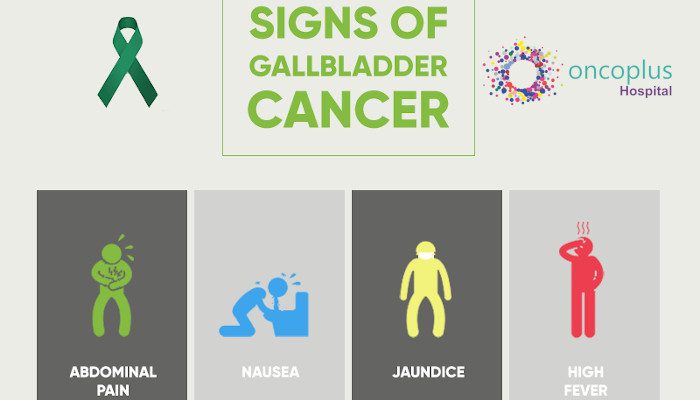
- Bloating or swelling in the abdomen
- Fever
- Weight loss without trying
- Pain above the right part of the stomach.
- Itching
- Nausea or vomiting
- Jaundice
- Lumps in the belly: If cancer blocks the bile ducts, the gallbladder can swell.
Book an appointment with the best oncologists for cancer treatment as well as a diagnosis at the best cancer hospital in Delhi.
Causes and risk factors
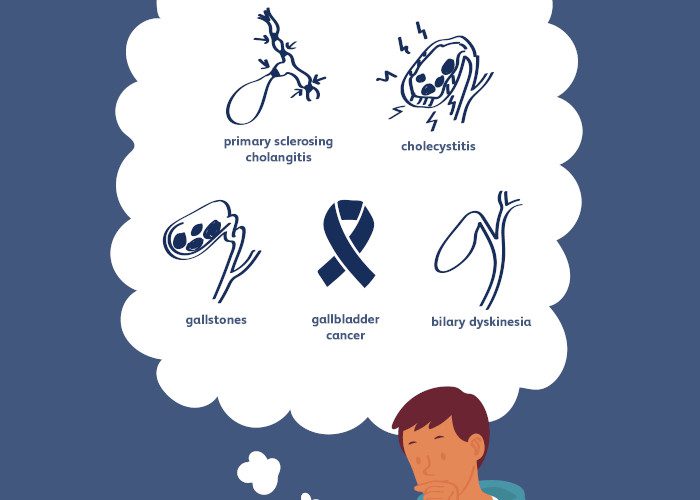
- Gender: Gallstones and gallbladder inflammation are much more common in women than men also are important risk factors for gallbladder cancer.
- Age factor: Gallbladder cancer is diagnosed mainly in older people, the average age to be around 70 but gallbladder cancer can be developed in younger people as well.
- Personal history of gall bladder stones: Gall bladder stones are the most common risk factor for gallbladder cancer, but gallbladder cancer is quite rare.
- Other gallbladder diseases: Other gallbladder conditions such as gallbladder polyps and chronic gallbladder infection can increase the risk of gallbladder cancer.
- Porcelain gallbladder: A porcelain gallbladder is a condition in which occurs after long-term inflammation of the gallbladder and in this condition calcium deposits cover the wall of the gallbladder. People with porcelain gallbladder are at high risk of developing gallbladder cancer.
- Obesity: Obese or overweight people are at risk of developing Gallbladder stones hence are susceptible to develop gallbladder cancer.
- Choledochal cysts: Choledochal cysts are bile-filled sacs along the common bile duct, the cells lining the sac often have areas of pre-cancerous changes, which can progress to gallbladder cancer over time.
- Abnormalities of the bile ducts: Some people have a defect where bile juice flows backward from the pancreas into the Gallbladder. People with such abnormalities are possibly at higher risk of developing gallbladder cancer.
- Family history of gallbladder cancer: A person’s probability to get gallbladder cancer increases if anyone from his/her family had gallbladder cancer.
- Exposure to chemicals used in the rubber and textile industries
- Exposure to nitrosamines
- Smoking
Stages
Staging is a way of determining to what extent cancer has spread in the body. it stages are briefed below:
Stage 0: At this stage, the cancer is small in size and limited to the innermost layer of the gallbladder.
Stage I: At this stage, the cancer cells start to penetrate into the second and third layers of the gallbladder.
Stage II: At this stage, cancer has now penetrated the deeper layer of perimuscular fibrous tissue but not spread to nearby lymph nodes or other organs.
Stage III: This stage is further divided into two subcategories:
- Stage IIIA: Cancer has extended through the outermost layer of the gallbladder or may have extended into the liver or another nearby organ. However, it has not spread to nearby lymph nodes or more distant organs.
- Stage IIIB: Cancer cells have spread to nearby lymph nodes, but the tumor has not spread into the blood vessels leading to the liver, or more than one nearby organ other than the liver. Cancer has also not reached distant organs as well.
Stage IV: This stage is further divided into two subcategories:
- Stage IVA: Cancer has spread into the blood vessels leading to the liver or has extended to a nearby organ other than the liver. Cancer cells may have reached nearby lymph nodes, but they have not reached distant organs.
- Stage IVB: Cancers at this stage are the most advanced. Cancer cells have either spread to lymph nodes farther away from the gallbladder, or they have spread to distant organs.
Diagnosis
An accurate diagnosis helps in the right plan of treatment for any disease.
Medical history and physical exam
If a person shows some signs that suspect to have gallbladder cancer, he/she should consult the physician or cancer expert, or oncologist with no delays. A doctor can look for the signs precisely and can recommend further investigation in case of any doubt.
Blood test
A blood test is done to determine the level of bilirubin. High levels of bilirubin may indicate a problem with either the liver or gallbladder.
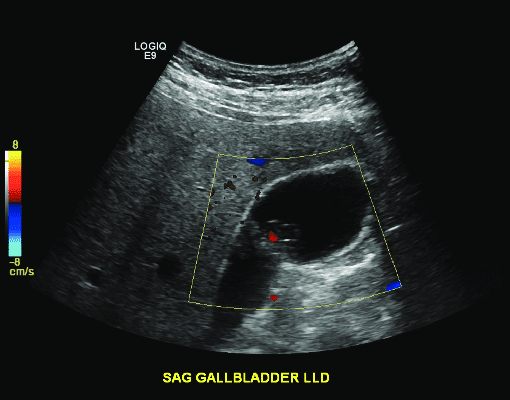
Ultrasound whole abdomen
CT scan
A CT scan helps the doctor by providing a detailed, 3-dimensional image that shows any abnormalities or tumors. A CT scan may be used to measure the tumor’s size.
MRI
An MRI is used to find out whether cancer has spread outside the gallbladder. MRI can also be used to measure the tumor’s size.
X-ray
A standard X-ray of the chest may be performed to see if the cancer cells have spread to the lungs.
Cholangiography
This test may be performed either by using an MRI machine or endoscope or by inserting a needle through the skin of the abdomen allowing the doctor to look at the bile ducts.
Biopsy
In cases when gallbladder cancer is diagnosed on other tests, a biopsy is performed. A small amount of tissue is removed from the gallbladder and sent to a laboratory for examination under a microscope. A biopsy can make a definite diagnosis.
PET-CT scan.
A PET scan is usually combined with a CT scan to create pictures of organs and tissues inside the body.
Laparoscopy
A surgical procedure using an instrument called a laparoscope to look at the organs inside the abdomen to check for signs of disease. This procedure helps to find out to what extent cancer has spread in the body.
Endoscopic ultrasonography
A procedure in which an endoscope is inserted into the body, usually through the mouth or rectum to see the tissues inside.
Treatment
The gallbladder cancer program at Oncoplus Hospital, Delhi offers surgery, chemotherapy, radiation therapy. Common treatments for gallbladder cancer include:
Surgery
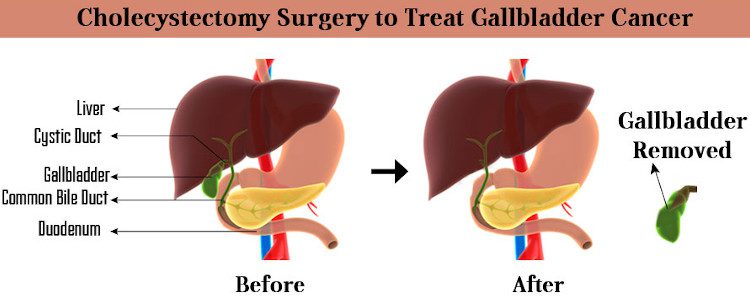
Surgery is a common treatment for gallbladder cancer and the specialist may perform the surgery either to completely remove the tumor if the cancer is still localized or to relieve the symptoms of the cancer is spread to other organs. Cholecystectomy and radical gallbladder resection are the two commonly performed surgical procedures.
- Cholecystectomy: This surgery is done to remove the gallbladder completely.

- Radical gallbladder resection: This surgical procedure involves the removal of a wedge-shaped section of the liver near the gallbladder, the common bile duct, part or all of the ligaments between the liver and intestines, and the lymph nodes around the pancreas and nearby blood vessels along with gallbladder.
Chemotherapy
Chemotherapy is the use of medicines to kill cancer cells by stopping the cancer cells from growing and dividing. The number of cycles given to the patient is decided by the oncologist depending upon the severity of the patient’s condition.
Radiation therapy
Radiation therapy is the use of high-energy radiations to destroy cancer cells. This therapy may be used either before surgery to shrink the size of the tumor or after surgery to destroy any remaining cancer cells.
Targeted Therapy
Cancer develops when one’s DNA changes, targeted therapy use medicines that target the process of changes in DNA. This therapy can be combined with chemotherapy.
Palliative Therapy
Palliative treatments vary widely and often include medication, nutritional changes, relaxation techniques, emotional support, and other therapies. Palliative care is a treatment used to help control or reduce symptoms caused by cancer. It’s not meant to cure cancer.