The liver is one of the vital organs in the human body, responsible for numerous essential functions, including detoxification, metabolism, digestion, and nutrient storage. Despite its importance, liver health is often overlooked until significant damage occurs. Non-Alcoholic Fatty Liver Disease (NAFLD) and Non-Alcoholic Steatohepatitis (NASH) are lifestyle-related liver disorders that have emerged as major public health concerns. Early awareness, timely diagnosis, and access to appropriate Liver Cancer Treatment options play a crucial role in preventing complications and ensuring long-term liver health.
Non-Alcoholic Fatty Liver (NAFL) and Non-Alcoholic Steatohepatitis (NASH) are types of NAFLD, a condition in which fat builds up in your liver.
Understanding NAFLD, NASH, and other diseases
NAFLD
NAFLD refers to the accumulation of excess fat in liver cells in individuals who consume little or no alcohol. It is closely linked to metabolic disorders such as obesity, Type 2 Diabetes, high cholesterol, and insulin resistance. NAFLD is often described as a ‘silent disease’ because most people experience no noticeable symptoms in the early stages. Fatigue, mild abdominal discomfort, or weakness are the symptoms that people often ignore.
NAFLD has become one of the most common causes of chronic liver disease globally, driven largely by sedentary lifestyles, unhealthy diets, and rising obesity rates. While simple fatty liver may be reversible with lifestyle changes, failure to address it can lead to more serious conditions.
NASH
Non-Alcoholic Steatohepatitis is a progressive and more severe form of NAFLD. In NASH, fat accumulation in the liver is accompanied by inflammation and liver cell damage. Over time, this can turn into fibrosis (scarring), cirrhosis, liver failure, or even liver cancer.
Unlike NAFLD, NASH significantly increases the risk of long-term complications and mortality. Alarmingly, NASH can progress silently for years before being detected. Many patients are diagnosed only when advanced liver damage has already occurred. This underscores the importance of early prevention and regular health monitoring.
Other Liver Diseases
Apart from NAFLD and NASH, there are several other conditions that affect the liver, including viral hepatitis (Hepatitis A, B, and C), alcoholic liver disease, autoimmune liver disorders, liver cancer and drug-induced liver injury. The cause of the disease could be excessive alcohol, the use of unsafe injections, or the unregulated use of medications or supplements, and exposure to toxins are other common risk factors.
Cirrhosis, the end stage of chronic liver disease, occurs when healthy liver tissue is replaced by scar tissue, impairing liver function. At this stage, damage is largely irreversible, highlighting the importance of early prevention. Consult a doctor for the liver cancer treatment or any liver-related ailments to procure immediate care and attention.
What are the key risk factors?
There are various factors that can increase the risk of developing NAFL, NASH, and other liver diseases, which may include –
* Overweight and obesity
* Poor dietary habits, especially high intake of sugar and processed foods
* Lack of physical activity
* Type 2 diabetes and insulin resistance
* High blood pressure and cholesterol
* Excessive alcohol consumption
* Long-term use of certain medications without medical supervision
Identifying and addressing these risk factors early can significantly reduce disease progression.
Preventive Measures for Liver Diseases
Liver diseases, including NAFLD and early-stage of NASH, are preventable and can even be reversed through lifestyle modifications. So, here are some Liver Health Prevention measures to adopt –
- Maintaining a Healthy Diet
A balanced diet with fruits, vegetables, whole grains, lean proteins, and healthy fats is essential for liver health. Reducing intake of refined sugars, fried foods, trans fats, and processed snacks helps prevent liver fat accumulation. Including fiber-rich foods thereby improves metabolism and insulin sensitivity.
- Physical Activity
Physical activity or regular exercise plays a key role in reducing liver fat and improving overall metabolic health. At least 30 minutes of moderate exercise, such as brisk walking, cycling, or swimming on most days of the week, is recommended.
- Manage Weight and Metabolic Health
A gradual and sustained weight loss significantly improves liver function in people with NAFLD. Managing blood sugar, cholesterol, and blood pressure through medical guidance is also advisable.
- Limit consumption of Alcohol
Even though NAFLD occurs without alcohol, excessive drinking can increase the chances of liver damage. Limiting or avoiding alcohol reduces the overall burden on the liver.
- Be cautious with medications and supplements
Self-medication and excessive use of herbal or over-the-counter supplements can harm the liver. Always follow prescribed dosages and consult a healthcare professional when in doubt.
- Regular health check-ups
Routine health screenings, including liver function tests and an ultrasound when advised, help detect liver issues early. People with diabetes, obesity, or a family history of liver disease should remain alert regarding their health.
Raising awareness about Liver Health prevention measures is essential, as early-stage liver disease often shows no signs. Acquiring comprehensive information about healthy lifestyle choices, early warning signs, and the importance of preventive care aid reduce the chances of liver disease.
Conclusion
NAFLD, NASH, and other liver diseases are growing concerns in today’s lifestyle. However, with timely awareness, preventive measures, and healthy habits, liver disease can be effectively managed or even prevented. The liver has a remarkable ability to heal when properly cared for. By making informed choices through balanced nutrition, regular exercise, and routine health monitoring, we can protect our liver and ensure a healthier future.
The liver is one of the most vital organs in the human body, responsible for over 500 essential functions, including detoxification, metabolism, bile production, and nutrient storage. When the liver begins to malfunction, the entire body suffers. Unfortunately, liver disease often goes unnoticed until it has advanced to a serious stage. Recognizing the warning signs early can make all the difference in preventing long-term complications and ensuring timely treatment.
In this article, we explore the top symptoms of liver disease you shouldn’t ignore, why they occur, and when you should seek medical attention.
Understanding Liver Disease
Liver disease is a broad term that includes a range of conditions that affect the liver, such as fatty liver disease, hepatitis, cirrhosis, alcoholic liver disease, and even liver cancer. The liver has a remarkable ability to regenerate, but prolonged damage can overwhelm its capacity, leading to irreversible harm.
Some of the most common causes of liver disease include:
- Excessive alcohol consumption
- Viral infections such as Hepatitis B and C
- Non-alcoholic fatty liver disease (NAFLD) linked to obesity and diabetes
- Autoimmune disorders
- Long-term use of certain medications
- Genetic conditions
Regardless of the cause, early detection is the key to effective management.
Top Symptoms of Liver Disease
- Persistent Fatigue and Weakness
Chronic tiredness is one of the earliest and most common signs of liver problems. When the liver isn’t functioning properly, toxins begin to accumulate in the bloodstream, causing fatigue, brain fog, and lack of energy.
- Yellowing of Skin and Eyes (Jaundice)
One of the hallmark symptoms of liver disease is jaundice, which occurs due to the buildup of bilirubin in the blood. This leads to yellowing of the skin, eyes, and even dark-colored urine. Jaundice should never be ignored, as it signals serious liver dysfunction.
- Abdominal Pain and Swelling
Pain or swelling in the upper right side of the abdomen is often linked to liver enlargement or inflammation. In advanced stages, fluid accumulation in the abdomen, known as ascites, can occur, which is a major indicator of severe liver damage.
- Unexplained Weight Loss
Sudden, unintentional weight loss without changes in diet or exercise can be a warning sign of liver disease, particularly when combined with other symptoms like loss of appetite or chronic nausea.
- Nausea and Vomiting
A diseased liver struggles to filter toxins, which may lead to frequent nausea and vomiting. These symptoms are often overlooked but can be an early indication of ongoing liver damage.
- Dark Urine and Pale Stools
Changes in urine and stool color are often early signs of liver dysfunction. Dark urine occurs due to excess bilirubin, while pale or clay-colored stools indicate a lack of bile production.
- Swelling in the Legs and Ankles
Liver disease can cause fluid retention in the lower extremities, leading to swelling in the legs and ankles. This is often associated with reduced protein production by the liver, which affects fluid balance.
- Easy Bruising and Bleeding
Since the liver produces proteins necessary for blood clotting, impaired liver function may lead to easy bruising, frequent nosebleeds, or prolonged bleeding from minor injuries.
- Skin Itching (Pruritus)
Persistent itching, especially without a rash, can be caused by bile salts depositing under the skin due to liver dysfunction. It is often one of the less obvious but concerning symptoms.
- Confusion and Memory Problems
Advanced liver disease can cause hepatic encephalopathy, a condition where toxins build up in the brain, leading to confusion, poor concentration, and even personality changes.
Why Early Detection Matters
The liver plays a central role in maintaining overall health. Delaying diagnosis or ignoring symptoms can lead to life-threatening complications such as cirrhosis, liver failure, or liver cancer. With timely intervention, many liver diseases can be managed or even reversed.
For example, fatty liver disease can improve significantly with lifestyle modifications, while viral hepatitis can be treated effectively with antiviral medications. For patients with advanced conditions, seeking care at specialized centers offering the best cancer treatment in Delhi or other major cities ensures access to advanced diagnostic tools and personalized therapies.
Diagnostic Tests for Liver Disease
If you experience persistent symptoms, doctors may recommend:
- Blood tests (Liver Function Tests – LFTs): To assess enzyme levels and overall liver function.
- Imaging tests (Ultrasound, CT, MRI): To identify liver enlargement, fat deposits, or tumors.
- Liver biopsy: A small tissue sample may be taken to check for cirrhosis or cancer.
These tests help detect the extent of liver damage and guide the best treatment approach.
Treatment Options
Treatment for liver disease depends on the underlying cause:
- Lifestyle modifications: Weight loss, healthy diet, and reduced alcohol intake can reverse early-stage fatty liver.
- Medications: Antivirals for hepatitis, steroids for autoimmune liver disease, and targeted therapies for liver cancer.
- Minimally invasive procedures: Such as draining fluid buildup in the abdomen.
- Liver transplantation: In cases of end-stage liver disease or failure.
For patients with liver cancer, access to advanced facilities offering the best cancer treatment in Delhi ensures state-of-the-art options such as immunotherapy, precision medicine, and targeted therapies.
Preventing Liver Disease
While not all cases are preventable, you can significantly lower your risk by:
- Maintaining a healthy weight and exercising regularly
- Avoiding excessive alcohol and smoking
- Eating a balanced diet low in processed foods and rich in fruits, vegetables, and whole grains
- Getting vaccinated against Hepatitis B
- Practicing safe hygiene and avoiding risky behaviors to prevent hepatitis transmission
- Going for regular check-ups, especially if you have diabetes, obesity, or a family history of liver disease
Living with Liver Disease
A liver disease diagnosis can feel overwhelming, but with the right care and lifestyle changes, many people lead fulfilling lives. Emotional support, counseling, and patient groups play an important role in coping with the physical and psychological impact of chronic liver conditions.
Patients are encouraged to follow medical advice diligently, attend regular check-ups, and adopt a liver-friendly lifestyle. With comprehensive medical care and early intervention, outcomes can improve drastically. Accessing specialized care, like the best cancer treatment in Delhi, ensures that patients receive both medical expertise and holistic support.
Conclusion
The liver is a powerhouse organ, and its health is central to overall well-being. The top symptoms of liver disease—from fatigue and jaundice to abdominal swelling and mental confusion—should never be ignored. Recognizing these signs early can lead to timely diagnosis, effective treatment, and in many cases, complete recovery.
As we continue to advance in medical science, awareness remains the first step toward prevention and early intervention. If you or your loved ones notice any of these symptoms, do not delay consulting a healthcare professional. With timely diagnosis and access to advanced care such as the best cancer treatment in Delhi, patients can take meaningful steps toward protecting their liver health and living a healthier future.
The liver is one of the most vital organs in the human body, responsible for over 500 essential functions including detoxification, protein synthesis, and hormone regulation. Yet, liver health is often overlooked until significant damage occurs. Understanding how to care for your liver and how symptoms of liver disease can vary between men and women is crucial for early detection and prevention.
Why Liver Health Matters
The liver plays a central role in metabolizing nutrients, breaking down toxins, producing bile, and storing essential vitamins and minerals. Liver diseases such as hepatitis, fatty liver disease, cirrhosis, and liver cancer are becoming increasingly common due to lifestyle factors such as poor diet, alcohol consumption, obesity, and lack of exercise.
Maintaining a healthy liver is essential to your overall well-being. When the liver fails, the consequences can be severe and even life-threatening. Fortunately, many liver conditions are preventable or manageable through lifestyle changes and early medical intervention.
Top Liver Care Tips
- Maintain a Healthy Diet Eat a balanced diet rich in vegetables, fruits, whole grains, and lean proteins. Avoid processed foods, saturated fats, and excessive sugar.
- Limit Alcohol Consumption Chronic alcohol use is one of the leading causes of liver disease. If you drink, do so in moderation—up to one drink per day for women and two for men.
- Exercise Regularly Physical activity helps maintain a healthy weight and reduces the risk of non-alcoholic fatty liver disease (NAFLD).
- Avoid Unnecessary Medications and Toxins Overuse of over-the-counter medications like acetaminophen can harm the liver. Always follow dosage instructions and avoid mixing with alcohol.
- Stay Hydrated Drinking plenty of water helps your liver flush out toxins and stay in optimal condition.
- Get Vaccinated Vaccines for hepatitis A and B are effective in preventing these liver infections.
- Regular Health Screenings Routine liver function tests can help detect problems early, especially if you have risk factors like diabetes or a family history of liver disease.
Gender Differences in Liver Disease
Research has shown that liver disease can affect men and women differently, both in terms of risk factors and symptom presentation. Recognizing these differences is important for personalized care and timely diagnosis.
- Alcohol-Related Liver Disease
- Men are more likely to consume alcohol in larger quantities, placing them at higher risk for alcohol-related liver disease.
- Women, however, are more susceptible to liver damage at lower levels of alcohol due to differences in body composition and metabolism.
- Non-Alcoholic Fatty Liver Disease (NAFLD)
- NAFLD is increasingly common in both sexes, but men tend to develop it earlier in life.
- Women, particularly after menopause, experience a rise in NAFLD risk due to hormonal changes affecting fat metabolism.
- Autoimmune Liver Diseases
- Conditions like autoimmune hepatitis and primary biliary cholangitis are more prevalent in women. Symptoms may include fatigue, joint pain, and jaundice.
- Hepatitis Infections
- Men with hepatitis B or C are more likely to progress to cirrhosis or liver cancer than women.
- However, women may experience more robust immune responses, leading to stronger inflammation and symptoms.
- Symptom Presentation
- Men often report symptoms such as abdominal swelling and easy bruising.
- Women may experience more subtle signs like fatigue, mood swings, and digestive issues, which can lead to delayed diagnosis.
When to See a Doctor
Regardless of gender, it’s important to consult a healthcare provider if you experience symptoms such as:
- Persistent fatigue
- Abdominal pain or swelling
- Yellowing of the skin or eyes (jaundice)
- Dark urine or pale stool
- Unexplained weight loss
- Nausea or loss of appetite
Early intervention can prevent progression to more serious liver conditions. If you fall into high-risk categories (e.g., heavy alcohol use, obesity, hepatitis infection), talk to your doctor about liver health screenings.
Conclusion
Your liver works tirelessly to keep you healthy. By adopting liver-friendly habits and being aware of how symptoms may present differently between genders, you can take proactive steps toward long-term liver health. Whether it’s adjusting your lifestyle or getting routine check-ups, caring for your liver today ensures a healthier tomorrow.
Understanding the nuances of liver disease and gender differences helps improve awareness, facilitates early diagnosis, and promotes better outcomes for everyone. Make liver care a priority — your body will thank you for it.
Read More Blog:
Metastatic Squamous Neck Cancer: A Comprehensive Guide
Advances in Medulloblastoma Treatment for Children
Gallbladder Wall Thickening and Cancer: Symptoms, Risks, and Diagnosis
Do you know that maintaining a healthy weight is essential for overall health? Nowadays, people are becoming obese by eating junk food and other unhealthy foods. But be aware of the fact that being overweight dramatically increases your risk of developing liver cancer. The frequency of liver cancer has increased recently, and it is a dangerous disorder that can have life-threatening effects. Though there are many liver cancer treatments available, still it’s our responsibility to take care of our health by avoiding unhealthy foods and clumsy lifestyles. People must comprehend the connection between obesity and liver cancer to take proactive measures towards healthier lifestyles. Here in this blog, we’ll examine how being overweight can increase the risk of developing liver cancer and the methods to lower it.
How excess weight raises the possibility of liver cancer:
The liver is a crucial organ that performs several metabolic tasks, such as removing toxins from the blood and assisting in digestion. But excessive liver fat accumulation might cause a condition known as Nonalcoholic Fatty Liver Disease (NAFLD). NAFLD is frequently linked to obesity and develops in people who drink little to no alcohol when fat accumulates in the liver. Nonalcoholic Steatohepatitis (NASH), a more serious illness that involves inflammation and liver cell destruction, can develop from NAFLD if it is not treated.
A significant risk factor for the onset and progression of NAFLD and NASH is obesity. Overeating causes extra fat to be accumulated throughout the body, particularly in the liver. This fat build-up may cause oxidative stress and liver inflammation, which may encourage the development of cancerous cells. Studies have shown that individuals with obesity-related liver diseases risk developing liver cancer more than those without these disorders.
Additionally, obesity can result in metabolic syndrome and insulin resistance, raising the risk of liver cancer. When the body’s cells stop responding to the hormone insulin, which controls blood sugar levels, insulin resistance develops. Because of this, the body makes more insulin, which may promote the development of liver cells and eventually result in cancer. Metabolic syndrome is characterized by high blood pressure, high blood sugar, abnormal cholesterol levels, and abdominal fat. A higher risk of liver cancer has been directly related to this illness.
Suggestions for lowering the risk of liver cancer:
Maintaining a healthy weight and living a healthy lifestyle is critical to lower the risk of liver cancer. The following advice can assist you in achieving and keeping a healthy weight:
- Balanced Diet: Focus on eating a diet that is well-balanced and contains fruits, vegetables, whole grains, lean meats, and healthy fats. Processed foods, foods heavy in saturated fats, and sugary beverages should all be avoided or consumed in moderation.
- Portion Control: Monitor the size of your portions to avoid overeating. Use smaller plates, measure serving sizes, and be aware of your hunger and fullness cues to practice portion control.
- Regular Physical Activity: Exercise frequently to help you keep a healthy weight. Aim for 75 minutes of strenuous aerobic activity or 150 minutes of moderate aerobic activity each week and strength training activities.
- Limit Alcohol Consumption: Evidence shows that drinking too much alcohol increases your risk of developing liver cancer. If you choose to drink, use it sparingly, it means no more than two drinks per day for men and one drink per day for women.
- Quit Smoking: Smoking has been associated with an increased risk of several malignancies, including liver cancer. If you smoke, get help to stop so that you can lower your risk of getting liver cancer.
- Regular Check-ups: Schedule routine check-ups with your healthcare professional to assess your liver’s health and review potential concerns. Early diagnosis of liver diseases can significantly enhance the effectiveness of treatment.
In conclusion, being overweight can raise the risk of liver cancer in human bodies due to the development and progression of obesity-related diseases like NAFLD and NASH. To lower the risk of liver cancer, it’s essential to prioritize keeping a healthy weight and establishing a healthy lifestyle. Individuals can take preventative measures to lower the risk of liver cancer by eating a balanced diet, exercising regularly, limiting their alcohol intake, stopping smoking, and scheduling routine check-ups. Keep in mind that maintaining a healthy weight not only improves your general well-being but is also essential for maintaining the health of your liver. Take control of your health by making decisions to help you maintain a healthy weight and reduce your risk of developing liver cancer. If you or your loved ones are suffering from cancer, it is essential to consult a cancer specialist to get the best treatment. So if you want to consult a specialist, you should consult Oncoplus, a cancer specialist in Delhi, India, for the best treatments. We are collaborating with India’s social security programs to develop a vision of a cancer-free and well-informed India.
According to the research of 2022 by American Society of Clinical Oncology, immunotherapy helps to improve the health of people who are suffering from advanced liver cancer and biliary tract cancer. This therapy improves the immune system of the patient by using their own body parts to fight diseases such as cancer. In other words, immunotherapy boosts the body parts of the patient so that they work smarter and fight cancer cells.
Biliary Tract Cancer develops in the bile duct (slender tubes) inside the liver (intrahepatic) or outside the liver (extrahepatic).The bile duct connects your liver to the small intestine and the gallbladder. Bile duct cancer mostly occurs after the age of 50 and is also known as cholangiocarcinoma. In this blog, you will read about liver cancer treatment with immunotherapy.
Symptoms of Biliary Tract Cancer:
- Yellow Skin and Eyes
- Itchy Skin
- Dark urine
- Pain in the abdomen
- Loss of appetite
- If you are losing weight but you are not trying,
- Your body temperature gets high or you feel feverish.
- Feeling of weakness or being unwell.
The Causes of Biliary Tract Cancer:
Normally, bile duct cancer occurs if the cells in the bile duct have changes in their DNA. And DNA is the chemical that is present in the cell and gives instructions to the cell on what to do. If there are changes in the cell, then it can give rise to tumors that can destroy healthy body tissues.
Dioxins, polychlorinated biphenyls (PCBs), and nitrosamines are some of the chemicals that cause bile duct cancer. People who work in rubber plants or in the automotive industry are generally exposed to these chemicals.
Factors that Increase the Risk of Biliary Tract Cancer:
- Smoking
- Obesity
- Diabetes
- HIV
- Excessive alcohol intake
- If you get infected with Hepatitis B and Hepatitis C,
How Does Immunotherapy Help to Prevent Liver Cancer?
People who are suffering from advanced liver cancer cannot be cured with surgery. According to recent research, to prevent liver cancer, doctor’s use a combination of immunotherapy drugs, i.e., tremelimumab targets CTLA-4 & durvalumab (Imfinzi) targets the PD-1 protein, which helps people deal with advanced hepatocellular carcinoma. This immunotherapy uses the body’s parts and improves the immune system so that it fights against cancer cells.
And people who are suffering from advanced biliary duct tract cancer also get relief from immunotherapy. To prevent biliary duct cancer, the combination of immunotherapy drugs, i.e., durvalumab (Imfinzi) with chemotherapy drugs like gemcitabine (Gemstar) and cisplatin, helped the patients live longer.
Liver cancer and biliary duct cancer cannot be removed with surgery. The patients can visit the best cancer hospital in Delhi for immunotherapy treatment. So, the immunotherapy treatment improves the health of patients suffering from cancer. The overall response rate of these immunotherapy treatments is that they stop the cancer from growing or shrinking in patients. But the side effects of this treatment are anemia, neutropenia, and nausea.
Read More Blog : Immunotherapy For Cancer Treatment In Delhi
A mastectomy is a treatment for breast cancer in which all the breast tissues, extra fat, and skin are removed by the surgeon from a breast in order to prevent breast cancer. And mastectomy with aesthetic flat closure means when a person decides to leave their chest flat after the mastectomy treatment rather than having breast reconstruction surgery.
According to the research, many surgeons do not support this decision to go flat. But, there are some women who feel comfortable with their decision to go flat, and there are a few women who are not satisfied with their decision.
A person who is suffering from breast cancer can make their final decision by consulting with their doctors. The best oncology hospital in Delhi is Oncoplus Hospital, where patients get the best advice and treatment for cancer. You will learn about mastectomy with flat closure treatment here.
What is going flat after a mastectomy?
When a woman undergoes mastectomy surgery and chooses to have a flat chest, they do not go for breast reconstruction after mastectomy or decide to have no reconstruction. Women who decided to have a flat closure for various reasons: they did not want to have additional surgeries; they did not want a foreign object in their body; they wanted to avoid the risk of surgery complications; and also avoid the risk of other health issues in their body.
Patients can make the decision of no breast reconstruction according to their lifestyle and preferences. Going flat after a mastectomy is the best option for a woman who has suffered from discomfort, pain, and surgery-related complications.
When do doctors recommend mastectomy for breast cancer?
- In the early stages of breast cancer (Stage 1 and 2).
- In the advanced stage of breast cancer (3 stage),
- If there is ductal carcinoma in situ (DCIU),
- Two or more tumors are found in the distinct area of the breast.
- If you had earlier had radiation treatment to the breast area and the breast cancer had recurred in the patient’s breast,
- If you are pregnant and the radiation treatment creates a risk for your child,
- If the patient undergoes lumpectomy but the cancerous tissues are still present in the breast, then there are chances that the cancer will extend to elsewhere in the breast.
- In this case, there is a Paget’s disease of the breast nipple.
- The patient has a large tumor, according to the overall size of the breast.
How to Recover From Mastectomy with No Breast Reconstruction
The patient who undergoes mastectomy with no breast reconstruction usually recovers more quickly than those who undergo mastectomy with breast reconstruction. To achieve flat closure, the patient goes through one procedure, but sometimes more than one.
In the first week after mastectomy, the patient feels pain as well as discomfort around the wound area. Normally, it takes 3 to 6 weeks to recover from a mastectomy. If the patient wants to recover quickly from mastectomy, then they should take rest when they feel tired, avoid lifting weights, walk regularly, and avoid activities like aerobics or jogging. If the patients want to drive again, they must ask their surgeon when they can drive again.
The best cancer treatment in Delhi is available at Oncoplus Hospital, where the latest technology is available to fight against cancer.
Liver Cancer
Liver cancer is cancer that begins in the liver cells. Several types of cancers can develop in the liver but Hepatocellular carcinoma is the most common type of liver, which begins in the liver cell (hepatocyte).
Symptoms
Symptoms of liver cancer do not appear until the cancer is at an advanced stage. But when signs and symptoms appear, these may include:
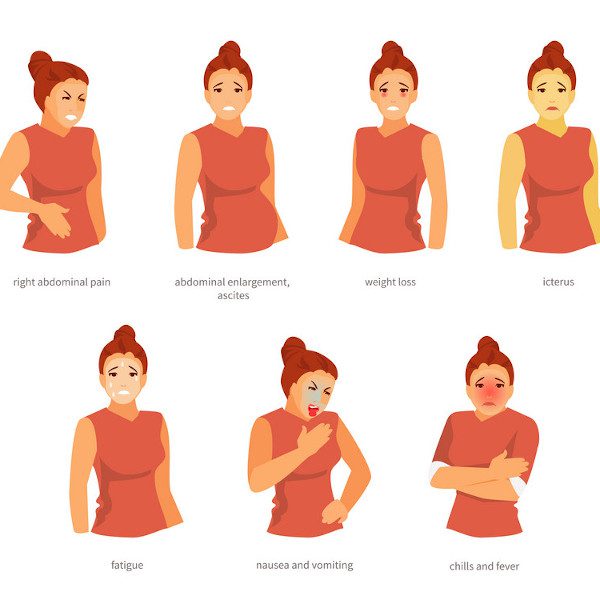
- Fatigability and general weakness
- Unexplained weight loss
- Loss of appetite
- Pain in the upper abdominal region
- Nausea and vomiting
- Swelling in Abdomen
- Jaundice leading to yellow discoloration of the skin and the whites of the eyes
- White or chalky stools
Book an appointment with the Best Cancer Specialist at Oncoplus Hospital.
Causes and risk factors
Hepatocellular Carcinoma or Primary liver cancer tends to occur in the liver because of the following:
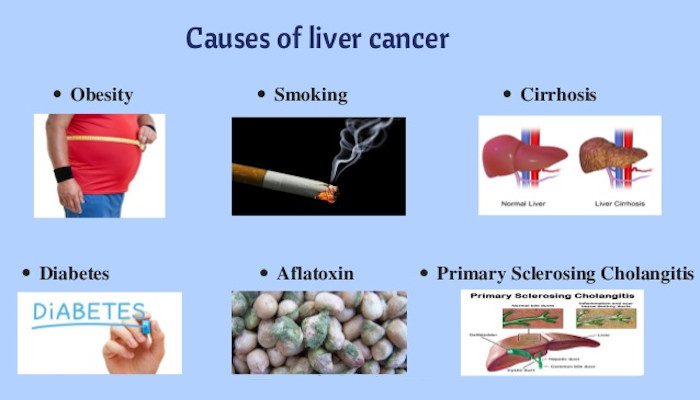
- Birth defects
- Hemochromatosis – A hereditary disease associated with too much iron in the liver
- Obesity
- Chronic infection with Hepatitis B or C
- Cirrhosis. This condition is progressive and irreversible, causes scar tissue to develop in the liver increasing the chances of developing cancer in the liver.
- Certain inherited liver diseases including hemochromatosis and Wilson’s disease increase the risk of developing liver cancer.
- Diabetes. People with diabetes are at more risk of liver cancer than those who do not have diabetes.
- Fatty liver disease. Accumulation of fat in the liver increases the risk of developing liver cancer.
- Excessive alcohol consumption over many years may lead to liver damage increases the risk of liver cancer.
Diagnosis/screening
When someone shows signs and symptoms related to liver cancer, he/she should visit the physician for a general check-up. If the cancer is diagnosed in early stage, treatment is likely to be effective.
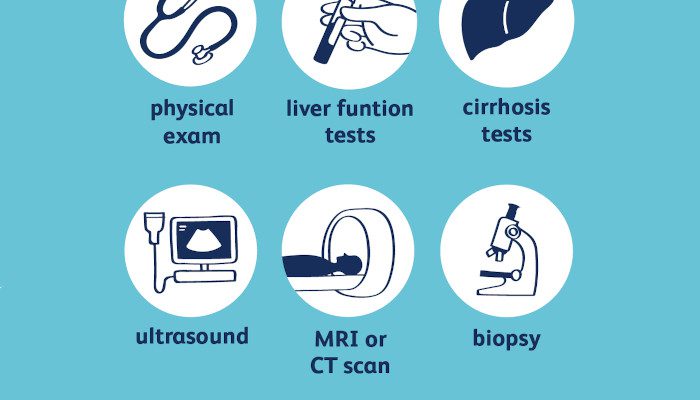
- Blood Tests
- Ultrasound
- CT Scan shows the exact location of cancer in the liver.
- MRI Scan
- Biopsy: The surgeon removes a sample of live tissue and examines it under a microscope to check for cancerous cells.
Book an appointment with the best oncologists for liver cancer treatment as well as a diagnosis at the best cancer Hospital in Delhi.
Stages
The staging of liver cancer determines the extent of cancer in the liver and body. After confirmation of the diagnosis, oncologists look for the stage of cancer. Certain tests including CT scans, MRIs, and bone scans help to determine the size and location of cancer and to what extent it has spread.
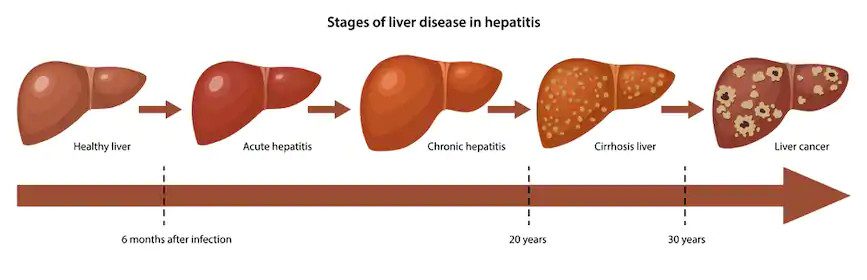
There are five stages in liver cancer:
Stage 0 – In this stage, the tumor is less than 2cm in size, and the liver functions normally.
Stage A – In this stage, the liver works well but tumor size increases up to 3 cm or there are a few small tumors less than 3cm in diameter develop in the liver.
Stage B – At this stage, multiple tumors are developed in the liver, but the person shows no signs and symptoms, as liver function is normal.
Stage C – At this stage, the cancerous cells have spread up to blood vessels, lymph nodes and the person is not feeling very well and is less active.
Stage D – This stage is advanced as a person experiences liver damage and needs urgent medical attention.
Cancer Treatment
The plan of treatment for liver cancer depends on certain factors such as the stage of the disease as well as the patient’s age, overall health. Treatment options for liver cancer are :
1. Surgery
- Surgical resection
Surgical resection is a term used for the procedure done to remove the cancerous cells if the liver is damaged partially limiting cancer in a small part of the liver. Since the liver can regenerate itself, that is the reason that it is possible to remove a large section of it without seriously affecting the health, but in the case of liver cancer, the ability of the liver to regenerate is impaired so surgical resection may be unsafe.Surgical resection can be performed or not is decided by the Oncosurgeons after a thorough assessment of the patient. - Surgery to remove the tumor. In cases where the tumor is small in diameter and the liver is functioning normally, in those cases, a small portion of healthy liver tissue surrounding the tumor is also removed along with the cancerous tissue.
- Liver transplant surgery. This surgery is by replacing the diseased liver with a healthy liver received from a donor. Liver transplant is done if:
- The single tumour is less than 5 cm in size
- The single tumour is up to 7 cm in size but has not grown for 6 months
- Three or a few small tumors less than 3 cm in size
2. Localized treatments
Localized treatments means treatments that are directly administered to the cancer cells. A few localized treatment options available for liver cancer are as follows:
- Radiofrequency ablation or heating the cancer cells. In this process, electric current is used to heat and destroy cancer cells in the liver.
- Cryoablation or Freezing cancer cells. Liquid nitrogen is used to freeze the cancer cells eventually destroying the cancer cells.
- Injecting alcohol directly into the tumor either through the skin or during a surgical procedure. Alcohol kills the tumor cells.
- Radiation in the liver. beads filled with radiation may be placed directly in the liver where they can deliver radiation directly to the tumor-killing them
3. Radiation therapy
This treatment uses high-powered energy to destroy cancer cells and shrink tumors. Radiation therapy might be an option if other treatments are not possible or if they have not responded well.
4. Targeted drug therapy
Targeted drug treatments focus on specific abnormalities present within cancer cells. By blocking these abnormalities, targeted drug treatments can cause cancer cells to die.
5. Immunotherapy
The cancer cells produce proteins that blind the immune system cells not letting the immune system fight cancer. Immunotherapy works by interfering with that process, uses our immune system to fight cancer.
6. Chemotherapy
Chemotherapy uses certain medicines to kill rapidly growing cancer cells. Chemotherapy drugs are administered through a vein or orally.
7. Palliative Care or Supportive care
Palliative care is specialized medical care that aims on providing relief from pain due to some serious illness. Palliative care specialists work with the patient and the patient’s family to provide extra support complimenting the ongoing treatment and care.