Rectal cancer and cancer of colon are often referred to together as "colorectal cancer." But their treatments are quite different because the rectum is situated in a tight space, difficult to separate from other organs and structures in the pelvic cavity.
The rectum is a part of the large intestine that originates at the end of the final segment of the colon and ends when it reaches the short, narrow passage leading to the anus.
Signs and Symptoms of rectal cancer
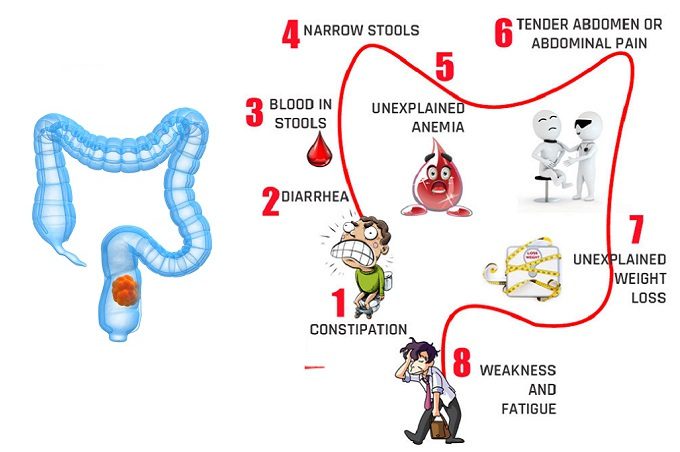
- Changes in bowel movements like diarrohea or constipation
- Blood and mucus in stool
- Pain in abdomen
- Pain during bowel movements
- Deficiency of iron
- A feeling of incomplete emptying of bowel
- Weight loss for no reason
- Weakness or fatigue
Book an appointment with the best oncologists for cancer treatment as well as diagnosis at best cancer Hospital in Delhi.
Causes and risk factors of rectal cancer
When healthy cells in the rectum make changes in their DNA leading to Rectal cancer. However, in most cases, the cause of such changes in DNA is unknown.
In some cases these changes are inherited that means, these are passed from one generation to another.
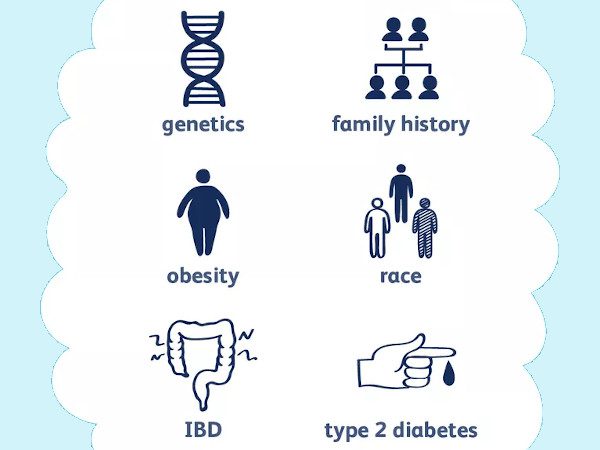
One’s lifestyle factors also contribute in development of rectal cancer. These include:
- Old age: People older than 50 years old are at more risk of developing colon and rectal cancer. Colorectal cancer may develop in younger people as well but less frequently.
- Personal history of polyps: Someone who had history of adenomatous polyps, he/she may have a greater risk of colorectal cancer later in life.
- Inflammatory bowel disease: Few chronic inflammatory diseases of the colon and rectum like ulcerative colitis and Crohn's disease, increase the risk of developing the colorectal cancer.
- Family history of colorectal cancer: If someone in family had a history of colorectal cancer, other family members are possibly at risk of developing colorectal Cancer.
- Improper diet: A diet low in vegetables and high in red meat may increase the risk of colorectal cancer.
- A sedentary lifestyle: Anyone with a sedentary lifestyle with no regular physical activity is likely to develop colorectal cancer.
- Diabetes: Diabetes 2 patients may have an increased risk of colorectal cancer.
- Obesity: Obese or overweight people have an increased risk of colorectal cancer associated with risk of dying due to cancer.
- Smoking: Smoking is also considered as one of the risk factors for development of colon cancer.
- Alcohol: Chronic alcohol consumption may increase the risk of colorectal cancer.
- Radiation therapy for previous cancer treatment: Radiation therapy focused at the abdomen for treatment of previous cancers may increase the risk of colorectal cancer.
Diagnosis of rectal cancer
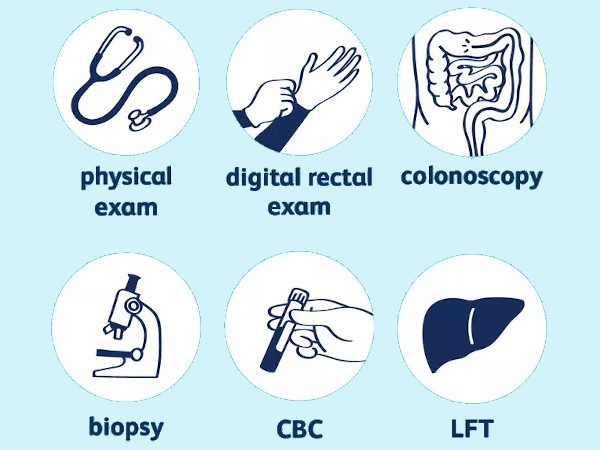
The following blood tests and imaging studies are used as diagnostic tools in rectal cancer:
- CBC-Complete blood count: This test measures the red blood cells count , less number indicates that a tumor is causing blood loss.
- CEA-Carcinoembryonic antigen: In some cases cancers produce substances termed as tumor markers that can be identified in blood. Carcinoembryonic antigen is one such tumour marker, which may be higher in patients with colorectal cancer. Basically CEA test monitors patient’s response to the treatment.
- Chemistry panel: This test checks a number of chemicals in the blood. Abnormal levels of some of these chemicals indicates that cancer has spread to other organs including kidney or liver.
- CT Scan-computed tomography of the chest: This test monitors whether rectal cancer has spread to other organs.
- MRI -magnetic resonance imaging of the pelvis: MRI provides a detailed and clear image of the lymph nodes near the rectum, muscles, organs and other tissues surrounding a tumor in the rectum.
- Colonoscopy: This test is the most precise of all diagnostic investigations. A thin, flexible, lighted tube with a video camera at its tip “known as colonoscope” is used to view the inside of colon and rectum.
Stages of Rectal cancer
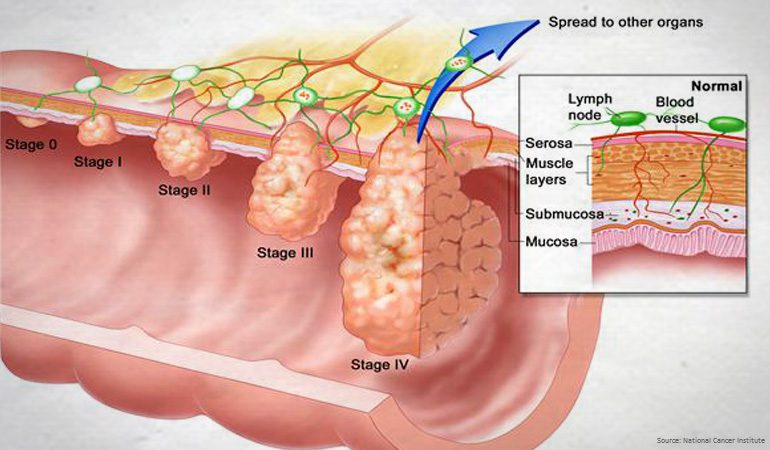
Once rectal cancer is diagnosed, the next step is to define the stages of cancer that means to what extent the cancer has spread. Oncologist can decide the appropriate plan of treatment based on the stages. These stages are as follows:
- Stage 0 This is the initial stage of rectum cancer where the cancer cells remain on the surface of the rectal lining(mucosa).
- Stage I At this stage, the cancer extends below the rectal mucosa, penetrating into the rectal wall sometimes.
- Stage II At this stage, cancer extends into or through the rectal wall, grows to the tissues surrounding the rectum.
- Stage III At this stage, cancer cells spread to the lymph nodes near to the rectum, in addition, tumor reach to the structures and tissues outside the rectal wall.
- Stage IV At this stage, cancer has spread to a distant organ or distant lymph nodes.
Treatment options for rectal cancer available at Oncoplus Hospital, Delhi
As other cancers, rectal cancer also require more than one treatment type. Various common treatment options for rectal cancer are:
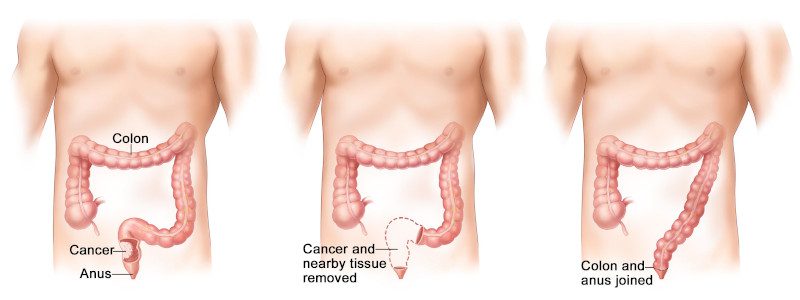
Surgery is done to remove the tumor, and depends on various factors like:
- Patient’s age
- Patient’s general health
- Patient’s medical history
- The stage of the cancer
- The location of the tumor in the rectum
- The size of the tumor
List of a few surgical procedures commonly used to treat rectal cancer:
- APR: Abdominoperineal resection with end colostomy. This procedure offers the best treatment for rectal tumors located extremely close to the anal sphincter. With cancer in this location, the surgeon has to remove both the tumor and the sphincter to reduce the risk that the cancer will return.
After APR, it is no longer possible to pass stool through the anus. Stool then passes into a removable pouch placed over the stoma. - Coloanal anastomosis: This procedure may be an option for rectal cancer surgery if the tumor is at least 1 centimeter above the top of the anal sphincter. The surgeon removes the entire rectum and enough of the surrounding tissue to achieve clear margins keeping the anus intact.
- Low anterior resection: Onco-surgeons perform this procedure when the tumor is located in the upper part of the rectum. The surgeon removes the tumor and a margin of healthy tissue around it, leaving the lower part of the rectum in place.
- Local excision: This technique is generally performed for early, small stage 1 rectal cancers, after a biopsy shows that the tumor is unlikely to spread or return. In this procedure, rectal tumor is removed along with a margin of healthy tissue and the section of rectal wall beneath the tumor.
- More-extensive surgery: Patient’s with rectal cancer associated with Crohn's disease, ulcerative colitis or a genetic predisposition to colorectal cancer require surgery that is more extensive than are the procedures explained above.
Chemotherapy
Medicines are given either orally or injected through veins, these medicines kill the cancer cells. Number of sessions given in chemotherapy are decided by the medical Oncologist based on the severity of condition. Chemotherapy is given pre surgery in some cases while in some cases it is given after the surgery.
Target Therapy
Medicines used in this therapy stops the process of changes in DNA.
Combination therapy
Combination of chemotherapy and radiation is a standard treatment for stage II and stage III rectal cancers. This approach is also an option for treating some stage I rectal cancers that have a high risk of recurring.
Palliative care
Palliative care is focused on providing relief from pain and other symptoms of a serious illness. Palliative care specialists work with patient, patient’s family and patient’s other doctors to provide an extra layer of support that complements the ongoing care.
Palliative care is provided by a team of doctors, nurses and other specially trained professionals. Palliative care teams aim to improve the quality of life for patients with cancer and their families.
A mass or growth of abnormal cells in the human brain is called a Brain tumor. There are different types of brain tumors that exist, some are benign i.e, noncancerous while some brain tumors are malignant i.e, cancerous.
Brain tumors can begin in the brain or can begin in other parts of the body and spread to the brain.
Treatment options for brain tumors depend on the type of brain tumor, its size, and location in the body.
Signs and Symptoms OF Brain tumors
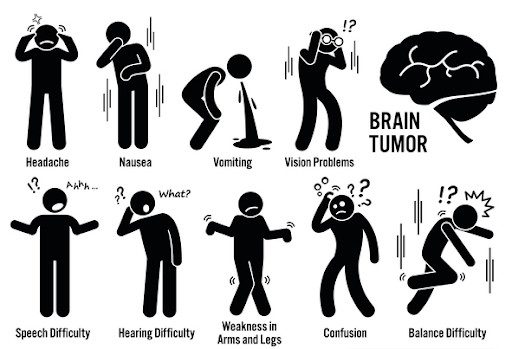
The signs and symptoms of a brain tumor depend on the brain tumor’s size, location, and rate of growth. Typical signs and symptoms caused by brain tumors include:
- Headaches that become more frequent and more severe with time
- A change in the pattern of headaches
- Vision problems including blurred vision in some cases or double vision in some cases.
- Loss of movement or sensation in an arm or a leg
- Problems with hearing capacity
- Difficulty with balancing the body
- Difficulties in speech
- Confusion in everyday matters
- Seizures, especially in those who do not have a history of seizures
- Unexplained nausea or vomiting
- Changes in behavior
Book an appointment with the best oncologists for cancer treatment as well as a diagnosis at the best cancer hospital in Delhi.
Causes of Brain tumors
PRIMARY BRAIN tumorS: Brain tumors that originate in the brain are termed primary brain tumors.
There are a few different types of primary brain tumors, each is named after a type of cells involved. Such Primary tumors include:
- Gliomas. These tumors begin in the brain or spinal cord and include astrocytomas, ependymomas, glioblastomas, oligoastrocytomas, and oligodendrogliomas.
- Meningiomas. A meningioma is a tumor that arises from the membranes surrounding our brain and spinal cord (meninges).
- Acoustic neuromas. These are benign tumors that develop on the nerves that control balance and hearing leading from the inner ear to the brain.
- Pituitary adenomas. These are mostly benign tumors that develop in the pituitary gland at the base of the brain.
- Medulloblastomas. These are the most common cancerous brain tumors in children while less common in adults. A medulloblastoma starts in the lower back part of the brain and tends to spread through the spinal fluid.
- Craniopharyngiomas. These type of tumors start near the brain’s pituitary gland that secretes hormones which control many body functions. As the craniopharyngioma grows, it can affect the pituitary gland and other structures near the brain.
SECONDARY BRAIN tumorS: Cancer that begins elsewhere and spreads to the brain are termed as secondary brain tumors. These types of tumors affect people having a history of cancer.
A few cancers that can spread to the brain include:
- Kidney cancer
- Lung cancer
- Breast cancer
- Colon cancer
- Melanoma
Risk Factors of Brain tumors
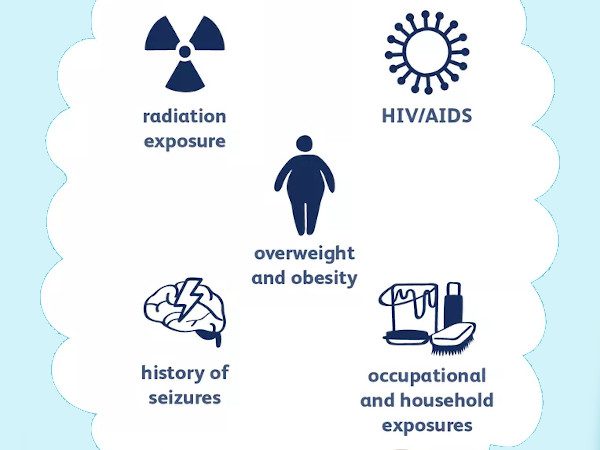
Some factors are responsible and are identified as risk factors to develop a brain tumor. These include:
- Exposure to radiation. People who are exposed to a type of radiation called ionizing radiation are at more risk of developing brain tumors. Ionizing radiation includes radiation used to treat cancer and radiation released by atomic bombs.
- Family history of brain tumors. People with a family history of brain tumors are at higher risk of brain tumors.
Diagnosis of Brain tumor
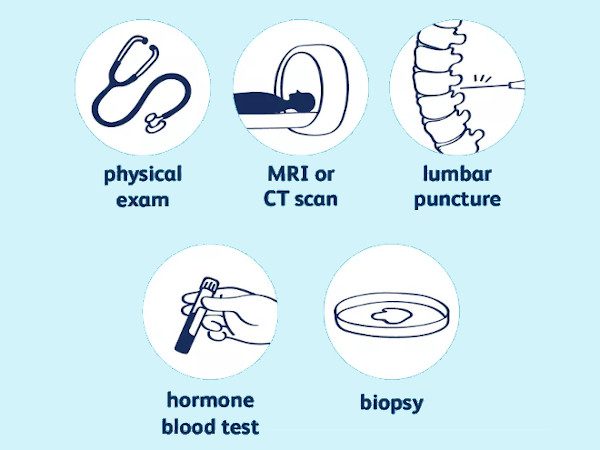
- A neurological exam: A neurological exam involves an examination of vision, hearing, balance, coordination, strength, and reflexes. Difficulty or abnormality in one or more areas may indicate which part of the brain could be affected by a brain tumor.
- MRI: Magnetic resonance imaging of the Brain is commonly used as an essential diagnostic tool for brain tumors.
- CT Scans: computerized tomography, Positron emission tomography (PET) may be used for brain imaging.
- BIOPSY: A biopsy can be performed as part of an operation to remove the brain tumor, or a biopsy can be performed using a needle. The biopsy sample is then viewed under a microscope to determine if it is cancerous or benign.
Treatment options available for Brain tumors at Oncoplus Hospital, Delhi

Treatment for a brain tumor is decided on the basis of the type, size, and location of the tumor, as well as the patient’s overall health.
Surgery
If the tumor is located in a place that is accessible for the surgery, Onco-Surgeon removes as much of the brain tumor as possible. As in some cases, tumors are small, in addition, can be separated easily from surrounding brain tissue, such tumors can be removed completely. While in some cases, tumors are located near sensitive areas in the brain or are difficult t separate from surrounding tissue make the surgical intervention risky. In such tumors, Onco-Surgeon removes as much of the tumor as safe. Removal of even a small portion of the tumor may help lessen the signs and symptoms.
Minimally Invasive Scarless Brain Surgery
At Oncoplus Hospital, Delhi, Neurosurgeons are experts in minimally invasive techniques. Our surgical team is able to successfully and safely remove the tumor. Minimal invasive surgeries for brain tumors reduce hospital stay also the recovery is fast.
Radiation Therapy
Radiation therapy uses high-energy X-rays or protons to destroy the cancerous cells.
External beam radiation focuses on that area of the brain where the tumor is located, or in some cases radiation therapy can be focused on the entire brain.
Stereotactic radiosurgery
Stereotactic radiosurgery is not a form of traditional surgery, radiosurgery uses multiple beams of radiation to give a highly focused form of radiation treatment to kill the tumor cells in a very small area. Each beam of radiation is not powerful particularly, but the point where all the beams meet at the brain tumor receives a very large dose of radiation to kill the tumor cells effectively.
Chemotherapy
Chemotherapy uses medicines to destroy cancerous tumor cells. Chemotherapy medicines can be taken orally as pills or can be injected into a vein. Many other chemotherapy medicines are available and may be used depending on the type of cancer.
Targeted Drug Therapy
Targeted drug treatments focus on specific abnormalities present within cancer cells. By blocking these abnormalities, targeted drug treatments can cause cancer cells to die.
Rehabilitation after Brain tumor Treatment
Since brain tumors can affect those parts of the brain that control motor skills, speech, vision, and thinking, hence rehabilitation is a necessary part of the recovery. A few essential therapies are required after brain tumor treatment:
- Physiotherapy to help regain lost motor skills including muscle strength and pain while joints movement.
- Occupational therapy helps the patient get back to his/her normal daily activities including work, after a brain tumor or other related ailment.
- Speech therapy by professional therapists to overcome the difficulty in speaking because of brain tumor.
- Tutoring for school-going children to help children copes with changes in their memory and concentration after a brain tumor.
Gallbladder Cancer
Gallbladder cancer occurs when cancerous cells develop in the tissues of the gallbladder. it initiates in the inner layer and extends up to the outer layer of the gallbladder as cancer grows.
The chance for the cure is more in the case when it is discovered at its earliest stages but it is difficult to diagnose. It often shows no specific signs or symptoms.
Signs and Symptoms
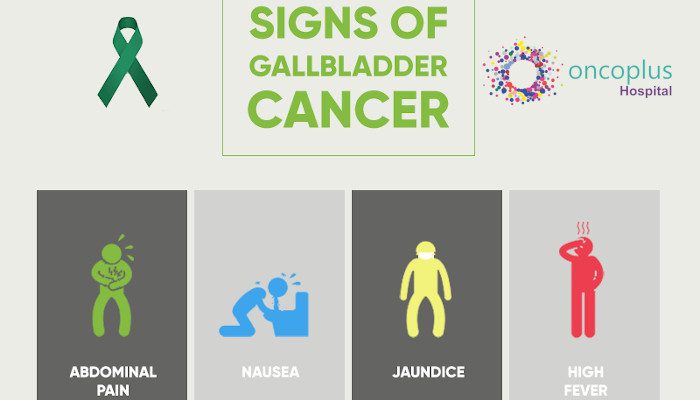
- Bloating or swelling in the abdomen
- Fever
- Weight loss without trying
- Pain above the right part of the stomach.
- Itching
- Nausea or vomiting
- Jaundice
- Lumps in the belly: If cancer blocks the bile ducts, the gallbladder can swell.
Book an appointment with the best oncologists for cancer treatment as well as a diagnosis at the best cancer hospital in Delhi.
Causes and risk factors
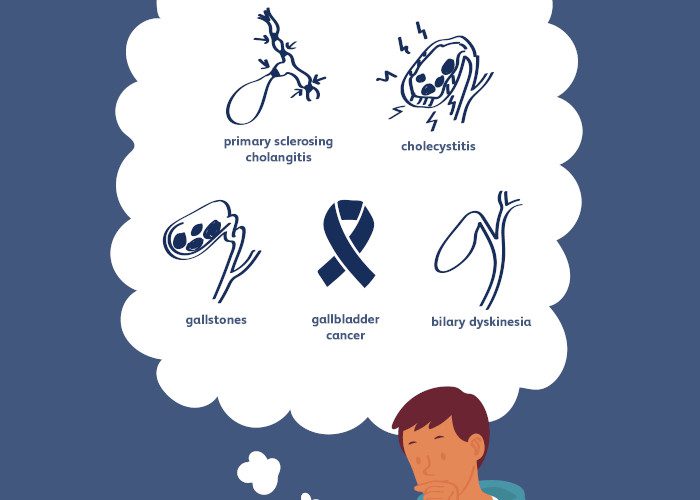
- Gender: Gallstones and gallbladder inflammation are much more common in women than men also are important risk factors for gallbladder cancer.
- Age factor: Gallbladder cancer is diagnosed mainly in older people, the average age to be around 70 but gallbladder cancer can be developed in younger people as well.
- Personal history of gall bladder stones: Gall bladder stones are the most common risk factor for gallbladder cancer, but gallbladder cancer is quite rare.
- Other gallbladder diseases: Other gallbladder conditions such as gallbladder polyps and chronic gallbladder infection can increase the risk of gallbladder cancer.
- Porcelain gallbladder: A porcelain gallbladder is a condition in which occurs after long-term inflammation of the gallbladder and in this condition calcium deposits cover the wall of the gallbladder. People with porcelain gallbladder are at high risk of developing gallbladder cancer.
- Obesity: Obese or overweight people are at risk of developing Gallbladder stones hence are susceptible to develop gallbladder cancer.
- Choledochal cysts: Choledochal cysts are bile-filled sacs along the common bile duct, the cells lining the sac often have areas of pre-cancerous changes, which can progress to gallbladder cancer over time.
- Abnormalities of the bile ducts: Some people have a defect where bile juice flows backward from the pancreas into the Gallbladder. People with such abnormalities are possibly at higher risk of developing gallbladder cancer.
- Family history of gallbladder cancer: A person’s probability to get gallbladder cancer increases if anyone from his/her family had gallbladder cancer.
- Exposure to chemicals used in the rubber and textile industries
- Exposure to nitrosamines
- Smoking
Stages
Staging is a way of determining to what extent cancer has spread in the body. it stages are briefed below:
Stage 0: At this stage, the cancer is small in size and limited to the innermost layer of the gallbladder.
Stage I: At this stage, the cancer cells start to penetrate into the second and third layers of the gallbladder.
Stage II: At this stage, cancer has now penetrated the deeper layer of perimuscular fibrous tissue but not spread to nearby lymph nodes or other organs.
Stage III: This stage is further divided into two subcategories:
- Stage IIIA: Cancer has extended through the outermost layer of the gallbladder or may have extended into the liver or another nearby organ. However, it has not spread to nearby lymph nodes or more distant organs.
- Stage IIIB: Cancer cells have spread to nearby lymph nodes, but the tumor has not spread into the blood vessels leading to the liver, or more than one nearby organ other than the liver. Cancer has also not reached distant organs as well.
Stage IV: This stage is further divided into two subcategories:
- Stage IVA: Cancer has spread into the blood vessels leading to the liver or has extended to a nearby organ other than the liver. Cancer cells may have reached nearby lymph nodes, but they have not reached distant organs.
- Stage IVB: Cancers at this stage are the most advanced. Cancer cells have either spread to lymph nodes farther away from the gallbladder, or they have spread to distant organs.
Diagnosis
An accurate diagnosis helps in the right plan of treatment for any disease.
Medical history and physical exam
If a person shows some signs that suspect to have gallbladder cancer, he/she should consult the physician or cancer expert, or oncologist with no delays. A doctor can look for the signs precisely and can recommend further investigation in case of any doubt.
Blood test
A blood test is done to determine the level of bilirubin. High levels of bilirubin may indicate a problem with either the liver or gallbladder.
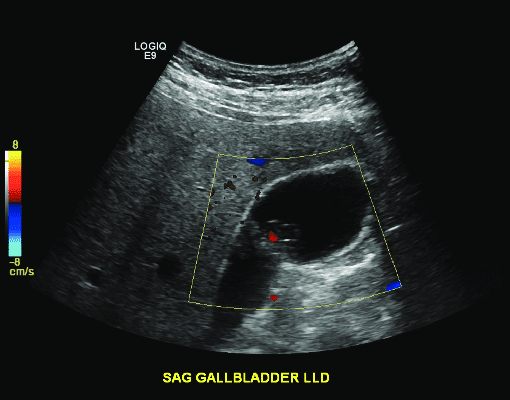
Ultrasound whole abdomen
CT scan
A CT scan helps the doctor by providing a detailed, 3-dimensional image that shows any abnormalities or tumors. A CT scan may be used to measure the tumor’s size.
MRI
An MRI is used to find out whether cancer has spread outside the gallbladder. MRI can also be used to measure the tumor’s size.
X-ray
A standard X-ray of the chest may be performed to see if the cancer cells have spread to the lungs.
Cholangiography
This test may be performed either by using an MRI machine or endoscope or by inserting a needle through the skin of the abdomen allowing the doctor to look at the bile ducts.
Biopsy
In cases when gallbladder cancer is diagnosed on other tests, a biopsy is performed. A small amount of tissue is removed from the gallbladder and sent to a laboratory for examination under a microscope. A biopsy can make a definite diagnosis.
PET-CT scan.
A PET scan is usually combined with a CT scan to create pictures of organs and tissues inside the body.
Laparoscopy
A surgical procedure using an instrument called a laparoscope to look at the organs inside the abdomen to check for signs of disease. This procedure helps to find out to what extent cancer has spread in the body.
Endoscopic ultrasonography
A procedure in which an endoscope is inserted into the body, usually through the mouth or rectum to see the tissues inside.
Treatment
The gallbladder cancer program at Oncoplus Hospital, Delhi offers surgery, chemotherapy, radiation therapy. Common treatments for gallbladder cancer include:
Surgery
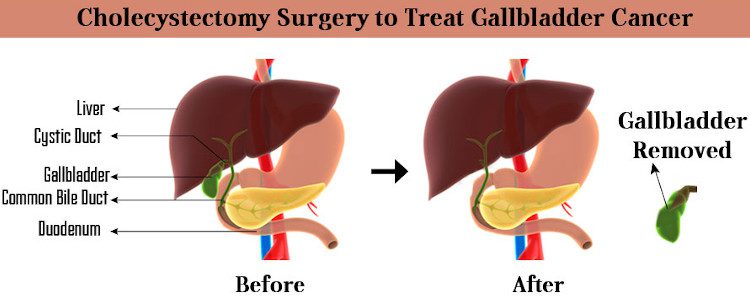
Surgery is a common treatment for gallbladder cancer and the specialist may perform the surgery either to completely remove the tumor if the cancer is still localized or to relieve the symptoms of the cancer is spread to other organs. Cholecystectomy and radical gallbladder resection are the two commonly performed surgical procedures.
- Cholecystectomy: This surgery is done to remove the gallbladder completely.

- Radical gallbladder resection: This surgical procedure involves the removal of a wedge-shaped section of the liver near the gallbladder, the common bile duct, part or all of the ligaments between the liver and intestines, and the lymph nodes around the pancreas and nearby blood vessels along with gallbladder.
Chemotherapy
Chemotherapy is the use of medicines to kill cancer cells by stopping the cancer cells from growing and dividing. The number of cycles given to the patient is decided by the oncologist depending upon the severity of the patient’s condition.
Radiation therapy
Radiation therapy is the use of high-energy radiations to destroy cancer cells. This therapy may be used either before surgery to shrink the size of the tumor or after surgery to destroy any remaining cancer cells.
Targeted Therapy
Cancer develops when one’s DNA changes, targeted therapy use medicines that target the process of changes in DNA. This therapy can be combined with chemotherapy.
Palliative Therapy
Palliative treatments vary widely and often include medication, nutritional changes, relaxation techniques, emotional support, and other therapies. Palliative care is a treatment used to help control or reduce symptoms caused by cancer. It’s not meant to cure cancer.
Self care for cancer patients
When someone is diagnosed with cancer, the patient suffers physically as well as mentally even after the right treatment. During the treatment for cancer, there are different phases and it is really important for the patient to possess self-care. What can cancer patients or their relatives expect during each phase of treatment and help themselves or their loved ones to attain a confident life throughout the journey of cancer treatment.
Right knowledge is the key to the right self-care of cancer patients.
“Cancer experts at Oncoplus Hospital, Delhi” have summarized certain useful tips which are an important part of a patient’s physical and mental well-being.
Following are certain valuable tips or tasks that may help cancer patients and their families to lead a strong life throughout their treatment.
FOLLOW A BALANCED DIET AND NUTRITION

If nutrition taken is improper, it makes it difficult for any patient to sustain the high dosage treatment for the required duration. This is because any imbalance in the diet can affect the normal functioning of the body.
The patients undergoing cancer treatment need to ensure their diet comprises adequate sources of protein, fats, minerals, vitamins, and carbohydrates for their body to be able to function well.
One should consume more fresh fruits and vegetables that are rich in antioxidants, minerals, vitamins, and dietary fibers.
Other foods such as lean proteins like fish (white-fleshed), plain greek yogurt, beans and lentils, egg-white are good sources of high-quality protein.
Low-fat milk and cottage cheese are decent sources of good fat for the body. These foods also can help the patients manage side-effects of treatment, strengthen their appetite, and can lower the risk of infections.
Please remember to wash the fruits and vegetables before consuming them and stick to pasteurized products.
The patient can consult a professional dietician or nutritionist for a personalized and balanced diet plan. That will help the patients maintain a healthy state of nutrition for their body in long run.
Book an appointment with the best oncologists for cancer treatment as well as a diagnosis at the best cancer hospital in Delhi.
DRINK PLENTY OF WATER TO KEEP YOURSELF HYDRATED

Cells in our body do not function well when our body doesn’t receive sufficient fluids or water intake is low in our body. It is advisable to drink a minimum of 2 to 3 liters of water a day to keep our body’s minerals in balance. A high intake of water may be needed to cope with side effects like diarrhea and vomiting that can easily dry us out.
REGULAR PHYSICAL EXERCISES

Regular exercises and physical workouts help boost our immunity and physical strength. It is advisable to discuss with a professional physical trainer or Professional Physiotherapist to initiate a suitable exercise program.
TAKE PROPER REST
Sufficient rest is very essential for anyone in maintaining good physical as well as emotional health.
One should be involved in exercises regularly but over-exercising may be harmful so one should listen to his/her body. One should take proper rest or breaks as required by the body.
Have sound sleep, a minimum of eight hours a day for good mental health.
PERSONAL HYGIENE

Practicing self-hygiene plays an important role in a patient’s health as it can lift the spirits of the patient up.
KNOWING THE SIDE-EFFECTS OF TREATMENT FOR CANCER
Treatments for cancer result in certain side effects like nausea, hair loss, knowing these side effects during and post-treatment can help the patients gain a sense of control over what’s happening with their body.
FIND STRESS-BUSTER

Patients after cancer treatments go through emotional as well as physical stress. It is really very important for these patients to find out things that can help relieve their stress. Fewer worries help patients to gain emotional strength to fight cancer in a better way.
There are certain tactics patients can follow as their stress buster:
- Listening to some favorite music at times.
- Practicing a few relaxation sessions such as meditation, mild yoga exercises, acupuncture sessions, and aromatherapy sessions.
It is advisable to consult your treating oncologist to know more about such activities and to know what suits the patient’s body.
SPEND TIME WITH YOUR LOVED ONES

It is not wise to abstain oneself from his/her family and social life as it can lead to a negative impact on one’s health.
Spending time with family and friends can have a positive impact on the patients’ health and treatment outcomes.
A WORD OF ADVICE FROM ONCOPLUS HOSPITAL, DELHI
Having sufficient knowledge about cancer is as important as curing it. We should always be aware and stay updated about different types of cancer, causing factors, symptoms, screening, diagnosis, treatment options, and how to prevent cancer to develop. Self-awareness can help us to act on noticing any significant signs or manage cancer in a better way.
To know about different types of cancer, click on the link given below.
https://www.oncoplus.co.in/cancer-treatments/
Our experts encourage the relatives and caregivers of the patients undergoing treatment to keep a subtle and positive tone of communication with patients.
If you are seeking relevant guidance to manage your or your loved one’s cancer journey, the panel of medical experts at Oncoplus Hospital, Delhi can help you providing the right direction.
Consult our medical team for screening https://www.oncoplus.co.in/our-doctors/
Liver Cancer
Liver cancer is cancer that begins in the liver cells. Several types of cancers can develop in the liver but Hepatocellular carcinoma is the most common type of liver, which begins in the liver cell (hepatocyte).
Symptoms
Symptoms of liver cancer do not appear until the cancer is at an advanced stage. But when signs and symptoms appear, these may include:
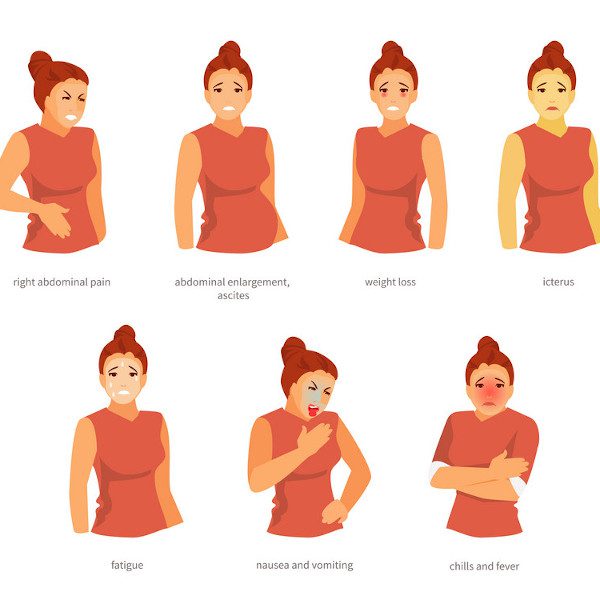
- Fatigability and general weakness
- Unexplained weight loss
- Loss of appetite
- Pain in the upper abdominal region
- Nausea and vomiting
- Swelling in Abdomen
- Jaundice leading to yellow discoloration of the skin and the whites of the eyes
- White or chalky stools
Book an appointment with the Best Cancer Specialist at Oncoplus Hospital.
Causes and risk factors
Hepatocellular Carcinoma or Primary liver cancer tends to occur in the liver because of the following:
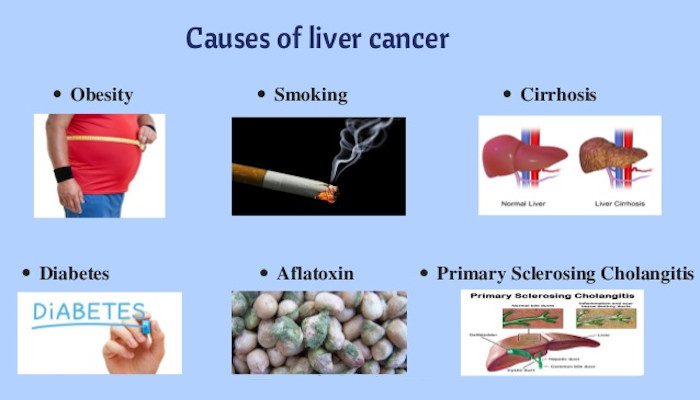
- Birth defects
- Hemochromatosis – A hereditary disease associated with too much iron in the liver
- Obesity
- Chronic infection with Hepatitis B or C
- Cirrhosis. This condition is progressive and irreversible, causes scar tissue to develop in the liver increasing the chances of developing cancer in the liver.
- Certain inherited liver diseases including hemochromatosis and Wilson’s disease increase the risk of developing liver cancer.
- Diabetes. People with diabetes are at more risk of liver cancer than those who do not have diabetes.
- Fatty liver disease. Accumulation of fat in the liver increases the risk of developing liver cancer.
- Excessive alcohol consumption over many years may lead to liver damage increases the risk of liver cancer.
Diagnosis/screening
When someone shows signs and symptoms related to liver cancer, he/she should visit the physician for a general check-up. If the cancer is diagnosed in early stage, treatment is likely to be effective.
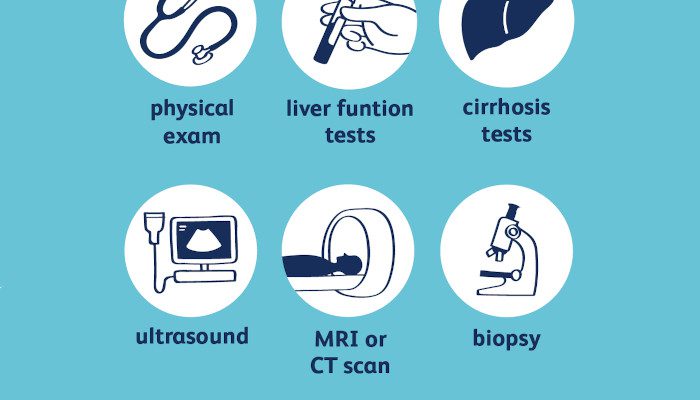
- Blood Tests
- Ultrasound
- CT Scan shows the exact location of cancer in the liver.
- MRI Scan
- Biopsy: The surgeon removes a sample of live tissue and examines it under a microscope to check for cancerous cells.
Book an appointment with the best oncologists for liver cancer treatment as well as a diagnosis at the best cancer Hospital in Delhi.
Stages
The staging of liver cancer determines the extent of cancer in the liver and body. After confirmation of the diagnosis, oncologists look for the stage of cancer. Certain tests including CT scans, MRIs, and bone scans help to determine the size and location of cancer and to what extent it has spread.
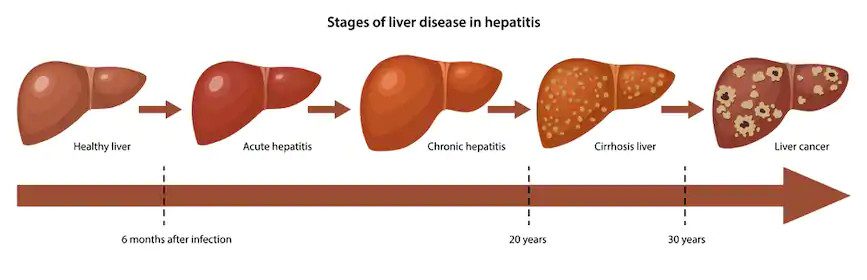
There are five stages in liver cancer:
Stage 0 – In this stage, the tumor is less than 2cm in size, and the liver functions normally.
Stage A – In this stage, the liver works well but tumor size increases up to 3 cm or there are a few small tumors less than 3cm in diameter develop in the liver.
Stage B – At this stage, multiple tumors are developed in the liver, but the person shows no signs and symptoms, as liver function is normal.
Stage C – At this stage, the cancerous cells have spread up to blood vessels, lymph nodes and the person is not feeling very well and is less active.
Stage D – This stage is advanced as a person experiences liver damage and needs urgent medical attention.
Cancer Treatment
The plan of treatment for liver cancer depends on certain factors such as the stage of the disease as well as the patient’s age, overall health. Treatment options for liver cancer are :
1. Surgery
- Surgical resection
Surgical resection is a term used for the procedure done to remove the cancerous cells if the liver is damaged partially limiting cancer in a small part of the liver. Since the liver can regenerate itself, that is the reason that it is possible to remove a large section of it without seriously affecting the health, but in the case of liver cancer, the ability of the liver to regenerate is impaired so surgical resection may be unsafe.Surgical resection can be performed or not is decided by the Oncosurgeons after a thorough assessment of the patient. - Surgery to remove the tumor. In cases where the tumor is small in diameter and the liver is functioning normally, in those cases, a small portion of healthy liver tissue surrounding the tumor is also removed along with the cancerous tissue.
- Liver transplant surgery. This surgery is by replacing the diseased liver with a healthy liver received from a donor. Liver transplant is done if:
- The single tumour is less than 5 cm in size
- The single tumour is up to 7 cm in size but has not grown for 6 months
- Three or a few small tumors less than 3 cm in size
2. Localized treatments
Localized treatments means treatments that are directly administered to the cancer cells. A few localized treatment options available for liver cancer are as follows:
- Radiofrequency ablation or heating the cancer cells. In this process, electric current is used to heat and destroy cancer cells in the liver.
- Cryoablation or Freezing cancer cells. Liquid nitrogen is used to freeze the cancer cells eventually destroying the cancer cells.
- Injecting alcohol directly into the tumor either through the skin or during a surgical procedure. Alcohol kills the tumor cells.
- Radiation in the liver. beads filled with radiation may be placed directly in the liver where they can deliver radiation directly to the tumor-killing them
3. Radiation therapy
This treatment uses high-powered energy to destroy cancer cells and shrink tumors. Radiation therapy might be an option if other treatments are not possible or if they have not responded well.
4. Targeted drug therapy
Targeted drug treatments focus on specific abnormalities present within cancer cells. By blocking these abnormalities, targeted drug treatments can cause cancer cells to die.
5. Immunotherapy
The cancer cells produce proteins that blind the immune system cells not letting the immune system fight cancer. Immunotherapy works by interfering with that process, uses our immune system to fight cancer.
6. Chemotherapy
Chemotherapy uses certain medicines to kill rapidly growing cancer cells. Chemotherapy drugs are administered through a vein or orally.
7. Palliative Care or Supportive care
Palliative care is specialized medical care that aims on providing relief from pain due to some serious illness. Palliative care specialists work with the patient and the patient’s family to provide extra support complimenting the ongoing treatment and care.
Mesothelioma cancer
A cancer that occurs in the thin layer of tissue of certain parts of the body, most commonly the linings of the chest or abdomen is termed as Malignant Mesothelioma.
This type of cancer is a deadly form of cancer, however there are treatments available for Mesothelioma.
Sign & symptoms and Types of malignant mesothelioma
Mesothelioma cancer can start in four main parts of the body.
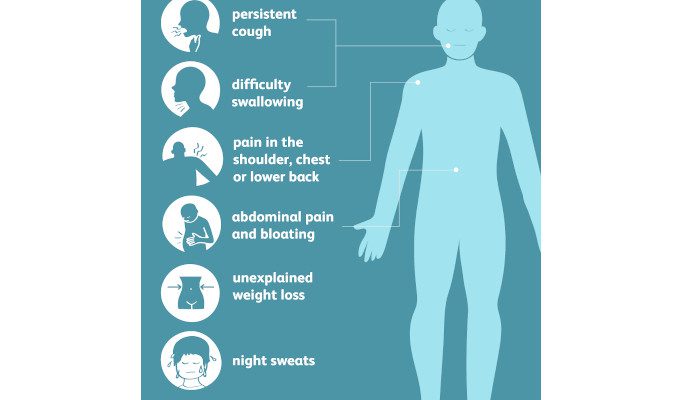
- Pleural mesotheliomas start in the chest. When cancer develops in the lining of the lungs that is pleura, that type of cancer is termed as Pleural mesotheliomas. This type of cancer is the most commonly diagnosed case of mesotheliomas.
Signs and symptoms of Pleural mesotheliomas are as follows:- Painful coughing
- Pain in the side of the chest or lower back
- Unusual lump under the skin on chest
- Shortness of breath
- Unexplained weight loss
- Fatigability
- Difficulty in breathing
- Trouble in swallowing
- Hoarseness in voice
- Swelling in face and arms
- Peritoneal mesotheliomas start in the abdomen. Peritoneal mesothelioma affects the lining of the abdominal cavity called as peritoneum and is diagnosed in about 15 – 20% of all mesothelioma cases.
Signs and symptoms of Peritoneal mesotheliomas are as follows:
- Pain in abdomen
- Swelling in the abdomen
- Fever
- Nausea and vomiting
- Unexplained weight loss
- Blood clotting abnormalities
- Bowel obstruction leading to constipation
- Anaemia
- Pericardial mesotheliomas start in the covering around the lining of the heart known as pericardium. This form of cancer is very rare.
Signs and symptoms of Pericardial mesotheliomas are as follows:
- Breathing difficulty
- Chest pain
- Irregular heart rhythm
- Fluid in chest
- Mesotheliomas of the tunica vaginalis start in the covering layer of the testicles and are very rare form of cancer, diagnosed in less than 1% of all cases. Symptoms include Testicular pain and Scrotal swelling caused by fluid buildup.
Causes and Risk factors of Mesotheliomas
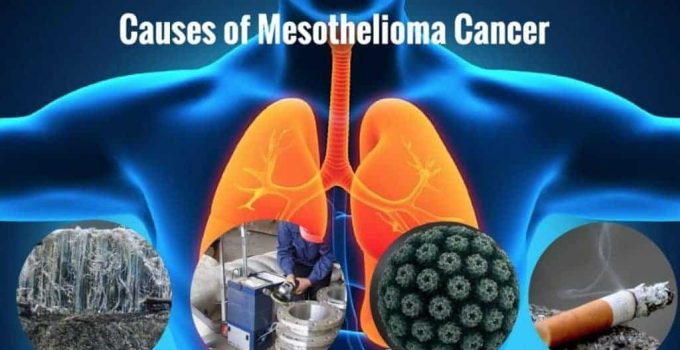
- Smoking: Those who smoke are more likely to develop asbestos-related lung cancer.
- Asbestos exposure: Asbestos is a mineral which is present in our environment, its fibres are used in insulation, brakes, shingles, flooring and many other products as these are resistant to heat and strong. Exposure to asbestos is the main causing factor of pleural mesothelioma.
- Zeolites: These minerals are common in the rocks and soil in some areas. Exposure to these minerals is believed to be responsible for causing mesotheliomas in those prone areas.
- Radiation Exposure: Exposure to high doses of radiation to chest or abdomen can cause Mesotheliomas.
- Genetics: Some studies indicate that mesotheliomas can be transferred to next generation.
- Weakening of lung tissue: People with weak lung tissue are host to be exposed to asbestos.
Stages of Mesotheliomas
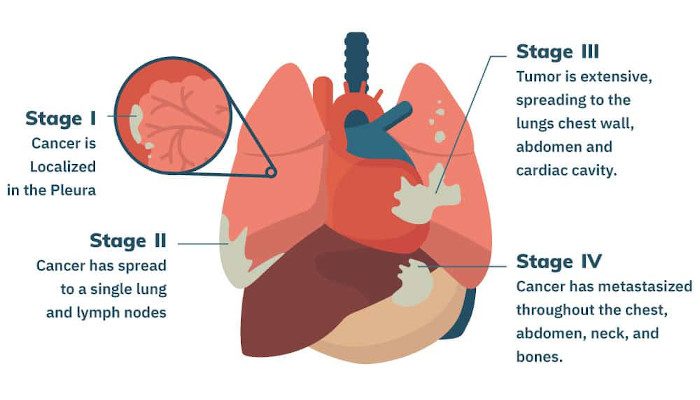
The stages of any cancer indicates the extent of cancer in body and expert can define the plan of treatment accordingly.
Stage 1: At this stage, the tumour is limited to the mesothelial lining and has not spread to the surrounding organ.
Stage 2: In this stage,the cancer spread to nearby organs like lung or diaphragm.
Stage 3: This stage is advanced as in this stage, cancer cells spread to nearby organs, tissues and lymph nodes.
Stage 4: This stage is advanced than previous stage, in this stage, cancer has spread to nearby as well as distant tissues, lymph nodes and organs.
Diagnosis
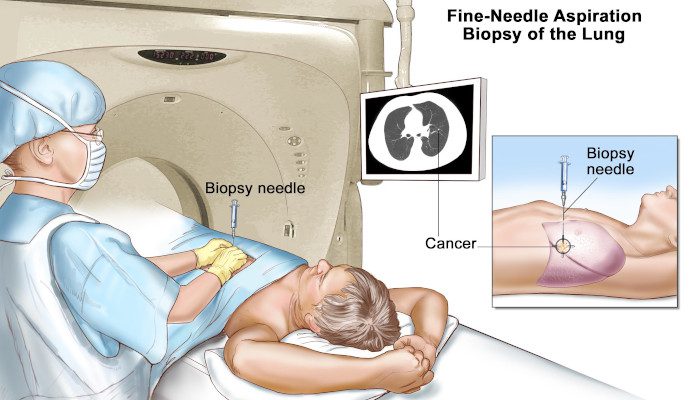
- Medical history and physical examination of the patient
- Blood tests: A few blood tests help rule out the problem.
- Fluid and tissue sample tests: In cases when the patient has fluid in the body that may be related to mesothelioma. A sample of is examined under a microscope for cancer cells.
- Biopsy: Cells are removed from the affected or abnormal area and examined under a microscope to confirm for the cancerous cells.
- Chest X-ray: A chest X-ray help in showing the abnormal thickening of lung lining or calcium deposits on the lung lining or presence of fluid in the chest.
- Computed tomography (CT): CT scans are used to look for the exact location of the cancer, which eventually help determine the stage of the cancer.
- Positron emission tomography (PET scan): A PET scan helps the doctor in knowing the exact location of cancer also the confirmation of diagnosis.
- Magnetic resonance imaging (MRI): MRI scans also show detailed images of the soft tissues in the body. Similarly in case of Mesotheliomas MRI scans show the exact location and extent of a tumour.
TREATMENT OPTIONS FOR MESOTHELIOMA CANCER
Treatment for mesothelioma Cancer depends on a number of factors. Treating mesothelioma often involves a combination of two or three modes of treatment. Various treatment options are discussed as below:
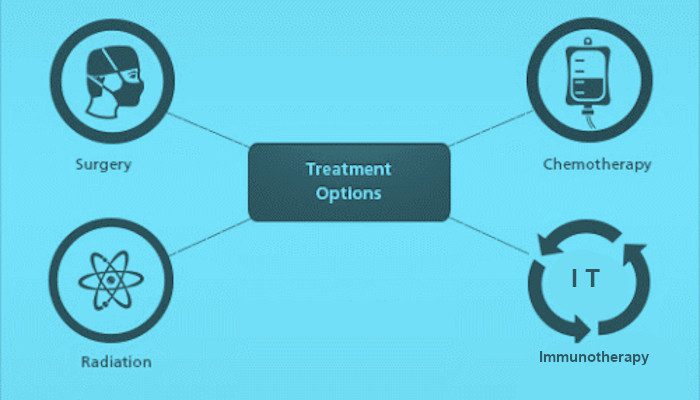
Cancer Surgery
Surgical options may include:
- Surgery to reduce fluid build-up. Pleural mesothelioma may cause fluid to build up in chest, causing difficulty in breathing. Surgeons insert a tube or catheter into the chest to drain the fluid.
- (Pleurectomy)Surgery to remove the tissue around the lungs. Surgeons remove the tissue lining the ribs and the lungs. This procedure would not cure mesothelioma, but may relieve signs and symptoms.
- Surgery to remove a lung and the surrounding tissue. Removing the affected lung and the tissue that surrounds may relieve signs and symptoms of pleural mesothelioma.
- Surgery for peritoneal mesothelioma. Peritoneal mesothelioma is sometimes treated with surgery to remove as much of the cancer as possible.
Book an appointment with the best oncologists for mesothelioma cancer treatment as well as diagnosis at best cancer Hospital in Delhi
Chemotherapy
Chemotherapy drugs work by attacking fast-growing cells, such as cancer cells. It stops the growth of cancerous mesothelioma cells, either by killing the cells or by stopping them from dividing.
Chemotherapy can be given by mouth, injected into a vein or muscle to enter the bloodstream and reach mesothelioma cells throughout the body, or it can be placed directly into the affected area of the body to mainly affect mesothelioma cells in that area.
Radiation therapy
Radiation therapy focuses high-energy beams to kill mesothelioma cells or keep them from growing. Radiation may be used after surgery to kill any remaining cancer cells. It may also help reduce signs and symptoms of advanced cancer in cases where surgery is not an option.
Immunotherapy in delhi
Palliative surgery
It may be considered as an option if the cancer has already spread to greater extent when it hard to remove completely. The goal of this treatment is to ease or prevent symptoms not to cure the cancer.
Book an appointment with the Best Cancer Specialist at Oncoplus Hospital.
Cervical Cancer: Preventive measures
Cervical cancer is caused when certain alterations occur in the cervix, cervical cancer takes place slowly over time. There are certain factors responsible for causing cervical cancer majorly Human papillomavirus (HPV) – a sexually transmitted infection.
A number of preventive measures can reduce the chances of developing cervical cancer. A few are discussed below:
1. Having fewer sexual partners
Getting involved with multiple partners sexually, increase the risk of exposure to HPV and other sexually transmitted diseases.
Those women, who are infected with HPV, do not know that they have HPV until they experience some changes in the cervix. That is the main reason why health screening is important. The more sexual partners a female has, the risk of transmitting the HPV virus becomes higher which eventually leads to a high risk of developing cervical cancer.
2. Use of Condom
Since HPV is spread by skin contact of the genital areas, so the use of condoms can help prevent HPV infection by adding a barrier of protection.
3. Stop Smoking

However, smoking is not related to HPV infection but few studies have proved that women who smoke are at more risk of getting HPV infection in comparison to non-smoker women. The reason is smoking ruins the overall immune system, which eventually makes someone susceptible to get infected. Smoking is a risk factor, which can be prevented. Quitting smoking may help reduce the chances of developing cervical cancer.
4. Healthy Diet

A healthy diet, maintenance of healthy body weight, and regular physical activities can reduce the risk of cervical cancer. This is because a healthy lifestyle boosts our immune system and reduces the Cancer developing changes in the body.
In addition, few fruits and vegetables contain natural antioxidants that help fight diseases such as cancer.
Book an appointment with the medical oncologists for cervical cancer treatment as well as a diagnosis at the best cancer Hospital in Delhi
5. HPV Vaccination

Vaccination targets a number of different strains of the HPV virus preventing the risk of cervical cancer. The vaccine is given in 2 to 3 shots over the period of six to 12 months. The vaccine is injected into the muscle of the thigh or upper arm.
Women are instructed to involve in regular vaccination programs to reduce the frequency of cervical cancer.
6. Check-Ups and Screening

Vaccination targets a number of different strains of the HPV virus preventing the risk of cervical cancer. The vaccine is given in 2 to 3 shots over the period of six to 12 months. The vaccine is injected into the muscle of the thigh or upper arm.
Women are instructed to involve in regular vaccination programs to reduce the frequency of cervical cancer.
7. Birth Control
A Gynaecologist places a birth control device knowns as an Intrauterine device (IUD) in the uterus. However, it is not certain but it is believed to be related to the immune system.
Consult Gynaecologist and Oncology team expert at Oncoplus Hospital, Delhi.
Book an appointment with the Best Cancer Specialist at Oncoplus Hospital.
A Guide on Cervical cancer and its treatment
Cervical cancer begins in the lowest portion of a woman’s uterus called the uterine cervix. Cervix connects the uterus with the vagina. Cervical cancer develops over time and is the fourth most common type of cancer for women worldwide.
Signs and symptoms of Cervical Cancer
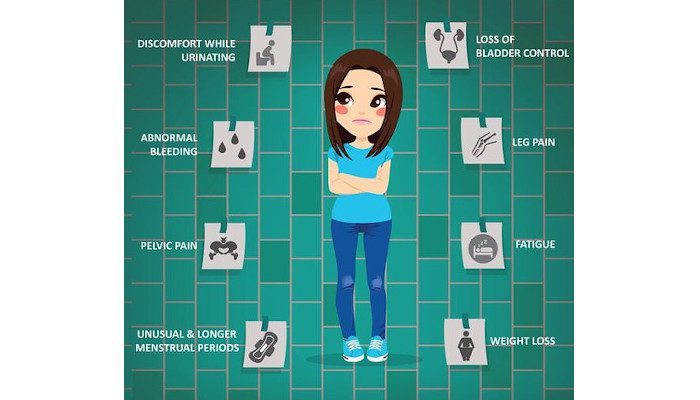
- Abnormal bleeding per vaginum or abnormal vaginal bleeding: Unusual bleeding after sexual intercourse, bleeding after menopause, bleeding and spotting between periods
- Heavier menstrual bleeding than usual
- Pelvic pain
- Discomfort or pain during sexual intercourse
- Unusual discharge from the vagina: the discharge may be colorless or may contain some blood and may occur between the periods or after menopause.
- Back pain
- Pain during urination
- Swelling in legs
- Urinary incontinence and blood in the urine
- Symptoms like shortness of breath, confusion, and bone fractures
- In the advanced stage of cancer, Kidney failure due to a urinary tract or bowel obstruction
These symptoms may also indicate other health problems that are not related to cervical cancer, but it is suggested to consult the expert if you experience any of the above-mentioned symptoms to increase the chances of successful management of the case.
Risk factors for Cervical Cancer
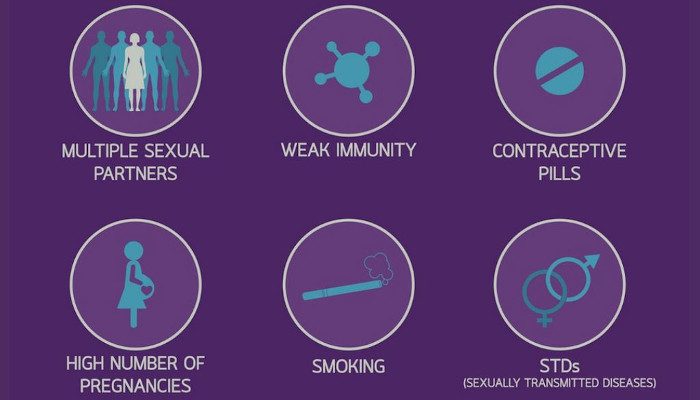
- HPV -Human papillomavirus infection: The most important risk factor for cervical cancer is infection by the human papillomavirus, which is a group of more than 150 related viruses. This virus can spread from one person to another person via skin contact.
There is no cure for HPV infection but there are ways to treat warts occurred due to infection and abnormal cell growth caused by HPV. - Smoking: Females who smoke are at more risk to get cervical cancer as compared with non-smoker females. Research proves that few substances present in smoke damage the DNA of cervix cells that may contribute to the development of cervical cancer.
- A weakened immune system: Women with a weak immune system put them at higher risk for getting HPV infections.
- Chlamydia infection: A kind of bacteria, Chlamydia, which is spread by sexual contact, can infect the reproductive system. Infection caused due to Chlamydia bacteria can cause pelvic inflammation, leading to infertility.
Women show no signs, who are infected with chlamydia unless they are tested for chlamydia during a pelvic examination. - Less intake of fruits and vegetables: Females who take fewer fruits and vegetables may be at more risk for cervical cancer.
- Obesity or overweight: Overweight Women are more likely to develop cervix cancer.
- Long-term use of birth control pills or oral contraceptives: Research suggests that women who take oral contraceptives for a longer time are at more risk of getting cervical cancer. The risk goes down again after the birth control drugs are stopped, and normalizes about 10 years after stopping.
- IUD or Intrauterine device use: Women with IUD have some risks related to cervix cancer so it is suggested to discuss the possible risks and benefits with her doctor before opting for IUD.
- Having multiple pregnancies: Women who have had more than 3 full-term pregnancies are more likely to have the risk of cervical cancer development.
- Family history of cervical cancer: If someone in the family had cervical cancer that increases the risk.
- Multiple sexual partners: If any woman is involved with multiple sexual partners, more are the chances that she may develop cervical cancer.
- Age: The average age of a woman who is diagnosed with cervical cancer is 48.
Book an appointment with Oncology experts at Oncoplus Cancer care.
Stages of Cervical Cancer
The stage of Cervical cancer like any other cancer indicates the extent to which it has spread in the body. Different stages of any cancer help the oncologist to define the best treatment plan and increase the chances of survival.
Generally, cervical cancer has five stages:
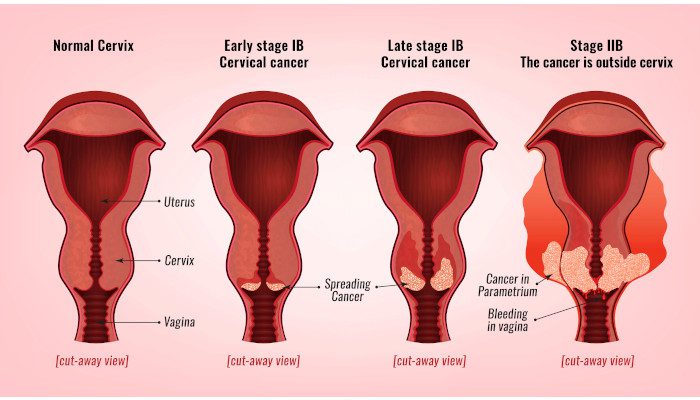
- Stage 0: This stage is referred to as carcinoma in situ (CIS) because, in this stage, the abnormal cells are present only on the surface of the cervix.
- Stage I: In this stage, cancerous cells have outgrown from the surface into deeper tissues of the cervix and possibly into the uterus but have not spread to any surrounding lymph nodes or organs.
- Stage II: In this stage, the tumor has spread beyond the cervix and uterus, affecting nearby lymph nodes but does not involve the pelvic walls or the lower part of the vagina.
- Stage III: In this stage, the cancerous cells have invaded the lower part of the vagina or pelvic wall.
- Stage IV: In this stage, cancer has spread to the bladder or rectum, or to the organs in other areas of the body.
How to diagnose Cervical Cancer
1. Physical examination and Medical history

The first step is the evaluation of the patient by the doctor to define the general state of the patient’s health.
2. Pap Smear
Pap smear is an important and preventive diagnostic tool in diagnosing cervical cancer as this test can reveal abnormalities of the cervix before they progress into cancer.
The Gynaecologist in Pap smear test removes a tiny amount of tissue from the cervix. It is a matter of only a few seconds. The sample is sent to the laboratory for analysis.
3. Human Papillomavirus Testing
HPV testing is done as a Pap smear test is done. The collected sample is sent to the laboratory to analyze for the Virus.
Women with symptoms of cervical cancer or abnormal Pap results are recommended to undergo the following tests:
- Colposcopy: A lighted magnifying instrument called Colposcope is used to visualize the vagina to see the surface of the cervix closely and clearly. If the Gynaecologist detects any abnormality, a biopsy is done in this case. A biopsy is the removal of a small piece of tissue from the vagina, which is sent to the laboratory to look for the abnormal area if it is a pre-cancer, true cancer, or neither.
- Blood tests: A blood cell count help analyze any liver or kidney-related problems.
- CT scan: CT scans are usually done in case of large tumors or if there is concern about cancer spread.
- MRI: MRI shows soft tissue parts of the body sometimes better than other imaging tests.
- Pelvic ultrasound: shows an image of the target area on a monitor.
- A chest x-ray is done to see if cancer has spread to the lungs. This is usually done when the cancer is in an advanced stage.
- PET scan (Positron emission tomography): PET scan is helpful in assessing the affected site other than the cervix as it scans the whole body.
Book an appointment with the medical oncologists for cervical cancer treatment at the best cancer Hospital in Delhi
Treatment Options for Cervical Cancer
Similar to another type of cancer, treatment for cervical cancer too depends on certain factors, such as the stage of cancer, age of the patient, and other health problems the patient may have.
Various treatment options for cervical cancer include Surgery, radiation, chemotherapy, or a combination of the three.
1. Surgery
Surgery is a common treatment method when cancer has not spread from the cervix to other sites in the body.

- Surgery to remove cancer only. It is possible to remove a very small cervical cancer entirely with a cone biopsy. This procedure removes a cone-shaped piece of cervical tissue leaving the rest of the cervix intact.
- Trachelectomy: Surgery to remove the cervix. Trachelectomy procedure removes the cervix and some surrounding affected area in early-stage cervical cancer, leaving the Uterus intact.
- Hysterectomy: Surgery to remove the uterus along with the cervix. Hysterectomy means removal of the Uterus if it is affected.
Treatment for advanced cervical cancer
Cancer Surgery is not the only option when cancer has spread beyond the cervix. Advanced stage cancer requires more extensive treatment, which involves either radiation therapy or a combination of radiation therapy and chemotherapy.
2. Radiation therapy
Radiation therapy uses beams of high-energy X-rays or radiations to kill the cancer cells. Radiation therapy can be used after surgery in case the experts detect an increased risk that cancer can come back.
3. Chemotherapy in Delhi
Chemotherapy destroys cancerous cells using certain chemicals or medications. Chemotherapy targets cancer cells that cannot be removed by surgery. Since chemotherapy is a drug treatment so can be given through a vein or taken orally in pill form. Some cervical cancer patients undergo chemotherapy sessions for weeks, while other patients may receive them for months.
In few cases where cervical cancer is advanced locally, chemotherapy is combined with Radiation therapy to enhance the effects of radiation and prevent the symptoms of advanced cancer to distant sites in the body.
4. Targeted therapy
Targeted therapy interrupts the cellular processes that promote the growth of cancer cells using certain drugs. Target therapy is used for advanced cancers. This type of therapy stops the tumors to make new blood vessels, which is required for tumor growth.
5. Immunotherapy
Immunotherapy helps the immune system to fight cancer using certain medicines. Immunotherapy is considered in advanced cancer and when other treatment options are not working.
6. Palliative care or Supportive care
Palliative care is supportive care provided by a professional team of doctors, nurses, and other specially trained professionals. Such a team aims at improving the quality of life for patients with cancer and their families. These team professionals work closely with the patients and their families to provide extra support that complements their ongoing care.
With such care along with all of the other appropriate treatments, cancer patients may feel better and live longer.
Book an appointment with the Best Cancer Specialist at Oncoplus Hospital.
Kidney cancer begins in the kidneys, also called as renal cell carcinoma. This cancer is the most common type of kidney cancer in adults.
Children are more likely to develop a kind of kidney cancer known as Wilms’ Tumour.
In many cases, kidney cancer can be detected at an early stage, when the tumour is small and is limited to the kidney.
Symptoms of kidney cancer
Common signs and symptoms a patient may experience due to kidney cancer include:
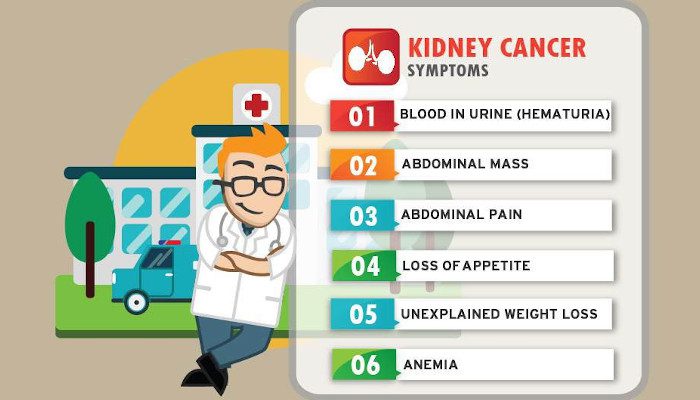
- pink, red, or cola-colored blood in the urine
- Pain in the back that does not go away
- Unexplained weight loss
- Loss of appetite
- Tiredness or fatigability
- Fever-on and off-types
Causes of kidney cancer
There is no known and clear causing factor for renal cell cancer, the most common form of kidney cancer, though there are several risk factors.
Risk factors
Factors that may increase the risk of kidney cancer include:
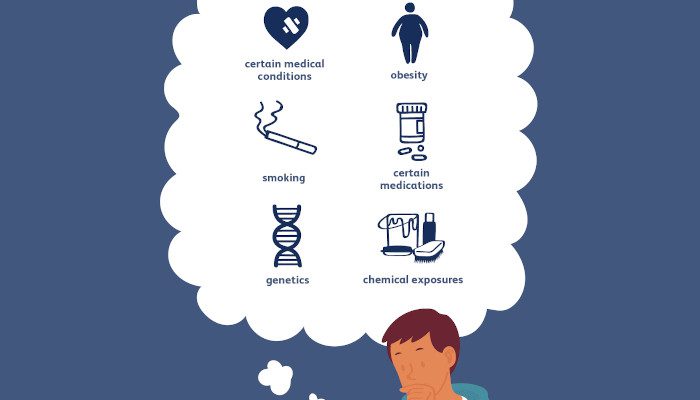
- Older age: The risk of kidney cancer increases as the age advances.
- Smoking: Smokers are more likely to develop kidney cancer as compared to non-smokers.
- Obesity: Obese or overweight people have a higher risk of kidney cancer than people with an average body weight do.
- High blood pressure (hypertension): High blood pressure enhances the risk of kidney cancer.
- Treatment for kidney failure: Patients who undergo long-term dialysis to treat chronic kidney failure have a greater risk of developing kidney cancer.
- Certain inherited syndromes: Patients born with certain inherited syndromes such as those who have von Hippel-Lindau disease, Birt-Hogg-Dube syndrome, tuberous sclerosis complex, hereditary papillary renal cell carcinoma, or familial renal cancer are more likely to have the risk of kidney cancer.
- Family history of kidney cancer: If any person had kidney cancer or any other cancer in his/her family, in that case, he/she is more likely to have kidney cancer.
- Exposure to certain substances in the workplace: for example, exposure to cadmium or specific herbicides increases the risk of having kidney cancer.
Diagnosis of Kidney cancer
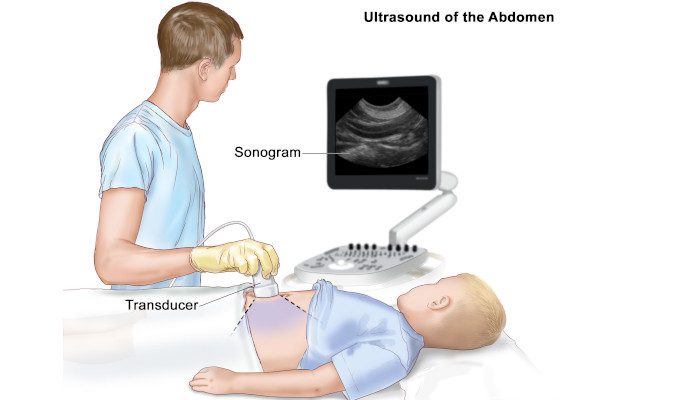
Tests and procedures done for kidney cancer Diagnosis are:
- Blood and urine tests
- Imaging tests: an ultrasound, a computerized tomography (CT) scan, or magnetic resonance imaging (MRI) to visualize the tumor.
- Biopsy – Removing a sample of kidney tissue
Book an appointment with Oncology experts at Oncoplus Cancer care.
Kidney cancer staging after diagnosis
Once the kidney cancer has been diagnosed, the next step is to define the staging of cancer means to determine the extent of cancer. Stages in Kidney cancer are:
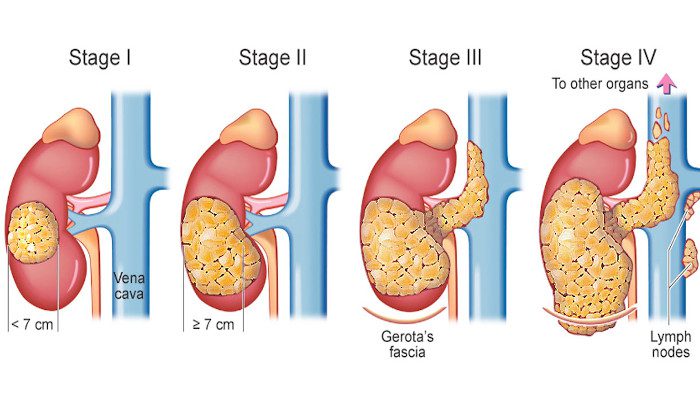
- Stage I: At this stage, the tumor is limited to the kidney, and size can be up to 2 3/4 inches in diameter.
- Stage II: At this stage, the tumor is still limited to the kidney but the size is more than that at stage I.
- Stage III: At this stage, the tumor spreads beyond the kidney to the surrounding tissue and nearby lymph nodes.
- Stage IV: At this stage, cancer extends outside the kidney, to multiple lymph nodes, or to distant parts of the body, such as the bones, lungs, or liver.
Book an appointment with the best kidney cancer doctors in Delhi for Kidney Cancer Treatment
Treatment of Kidney cancer
Like other cancer, kidney cancer treatment depends upon certain factors including the patient’s general health, the type of kidney cancer, and the extent of cancer.
Surgery
Surgery is considered the main treatment for kidney cancer, with the goal of removing the tumor while preserving normal kidney function. Surgical procedures performed to treat kidney cancer may include:
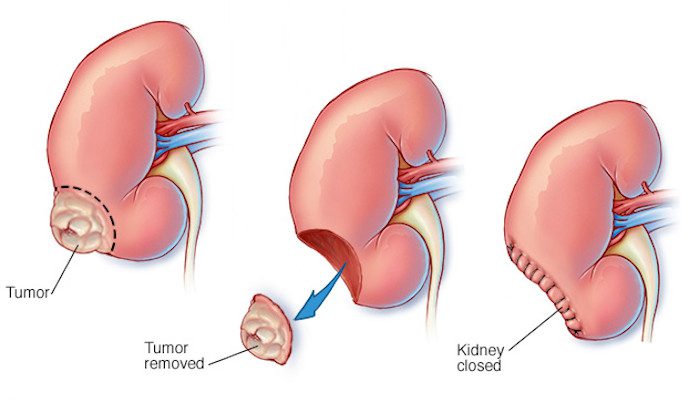
- Nephrectomy: Removing the affected kidney. A complete (radical) nephrectomy involves the removal of the entire kidney, a border of healthy tissue, and nearby tissues such as the lymph nodes, adrenal gland, or other structures.
- Partial Nephrectomy: Removing the tumor from the kidney. In this procedure, the surgeon removes the tumor and a small margin of healthy tissue that surrounds it not the entire kidney. Partial nephrectomy or Kidney-sparing surgery is a common treatment in cases when patients have only one kidney.
Nonsurgical treatments for kidney cancer
In some cases, alternative options are available to kill small tumors without surgery. These options are:
- Cryoablation: Treatment to freeze cancer cells. In this process, a special hollow needle is inserted into the kidney tumor through the patient’s skin using ultrasound or other image guidance. Then cold gas in the needle is used to freeze or cool down the cancer cells.
- Radiofrequency Ablation: Treatment to heat cancer cells. In this procedure, a special probe is inserted into the kidney tumor through the patient’s skin using ultrasound or other imaging to guide the placement of the probe. An electrical current is passed into the cancer cells through the needle, causing the cells to burn or heat up.
Treatments for advanced and recurrent kidney cancer
Kidney cancer that recurs and spreads to other parts of the body may not be curable but may be controlled with some treatment methods. A few such options available at Oncoplus Cancer care are discussed below:
- Surgery to remove as much of the kidney tumor as possible: When surgery cannot remove all cancer, in those few cases it may be helpful to remove as much of cancer as possible.
- Biological therapy/Immunotherapy: Drugs that use your immune system to fight cancer: This uses the patient’s body’s immune system to fight cancer.
- Targeted therapy: Targeted treatments block specific abnormal signals present in kidney cancer cells preventing them from multiplying. These drugs treat kidney cancer that has spread to other areas of the body.
- Radiation therapy: Radiation therapy uses high-powered energy radiations, such as X-rays, to destroy cancer cells.
Consult our Oncology team experts to get an opinion.
Preventive measure for kidney cancer
Taking few essential steps to improve one’s health may help reduce the risk of kidney cancer. To reduce the risk, try to:

- Quit smoking
- Maintain a healthy weight
- Control high blood pressure
- Eat a healthy diet
Book an appointment with the Best Cancer Specialist at Oncoplus Hospital.
Lung cancer is a type of cancer that begins in the lungs and is the leading cause of cancer deaths in both men and women.
Symptoms of lung cancer
Signs and symptoms of lung cancer occur when the disease is in advanced stage. Common signs and symptoms of lung cancer include:
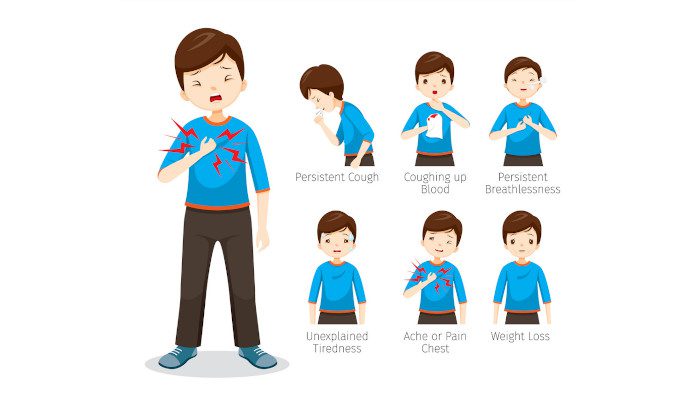
- cough that does not go away
- Blood oozes out while coughing(even a small amount)
- Pain in chest
- Shortness of breath
- Hoarseness in voice
- Losing weight for unknown reason
- Bone pain
- Constant Headache
Types of lung cancer
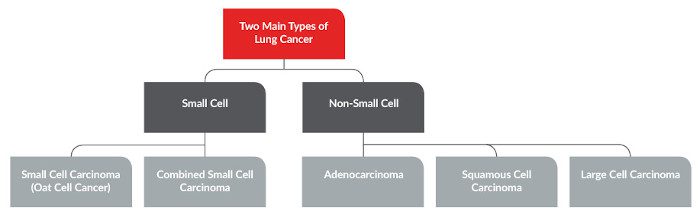
Lung cancer is classified into two general categories based on the appearance of lung cancer cells under the microscope. The two types of lung cancer are:
- Small cell lung cancer: Small cell lung cancer occurs in heavy smokers.
- Non-small cell lung cancer: This type of cancer is an umbrella term for several types of lung cancers that appear similar. A few cancers include squamous cell carcinoma, adenocarcinoma, and large cell carcinoma.
Causes of lung cancer

Smoking is the main causing factor contributing to the majority of lung cancers. Both smokers and people exposed to passive smoke are at risk of developing lung cancer.
Risk factors for lung cancer
Some risk factors like smoking can be controlled by quitting smoking but there are few other risk factors that cannot be controlled.
A few risk factors for lung cancer are:
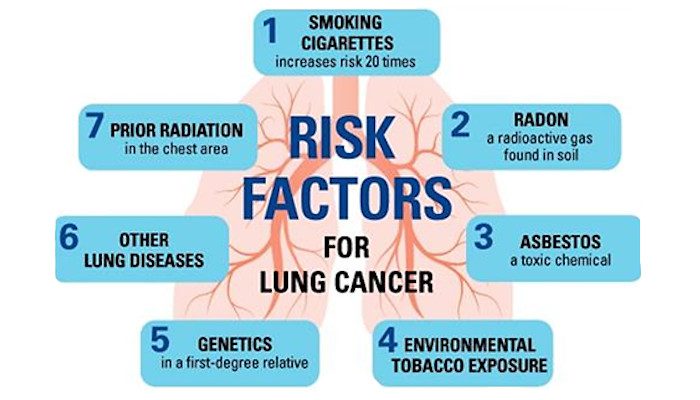
- Smoking
- Exposure to secondhand smoke or passive smoking
- Exposure to radon gas
- Exposure to asbestos and other carcinogens
- Family history of lung cancer
How to diagnose lung cancer
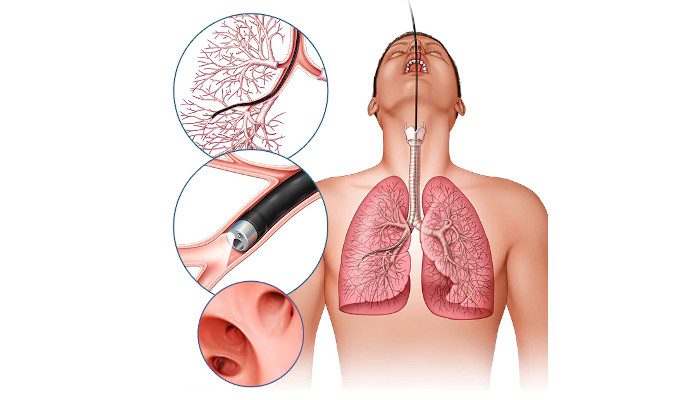
Bronchoscopy
This is recommended to people who are above 50 years old and have smoked heavily for several years however healthy. Experts at Oncoplus cancer care motivate people to consider annual lung cancer screening using low-dose CT scans.
- Imaging tests: X-ray of lungs reveal an abnormal mass or nodule.
- CT scan: reveal small lesions in lungs that may not be detected in an X-ray.
- Sputum cytology: Sputum is examined under a microscope to rule out the presence of lung cancer cells.
- A tissue sample (biopsy): A sample of abnormal cells is extracted and sent to a laboratory to make a diagnosis. The careful analysis provides a guide to the oncology team to define the plan of treatment.
Book an appointment with the best medical oncologist in Delhi for Lung Cancer Treatment
Stages of lung cancer
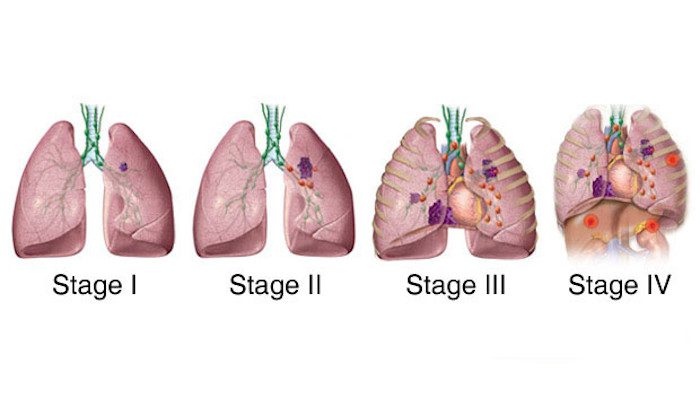
Once the lung cancer has been diagnosed in a patient, the Oncology team works to determine the stage of cancer to know to what extent cancer has spread.
Staging is determined after certain investigations as mentioned above. Like any other cancer, stages of lung cancer are also classified in the range of 0 to 4, where 0 indicates that cancer is limited to the lung while stage 4 indicates cancer has spread to other parts of the body including the liver.
Treatment options available at Oncoplus cancer care
Lung cancer surgery
The treatment plan for lung cancer is based on a number of factors, such as your overall health, the type, and the stage of your cancer.
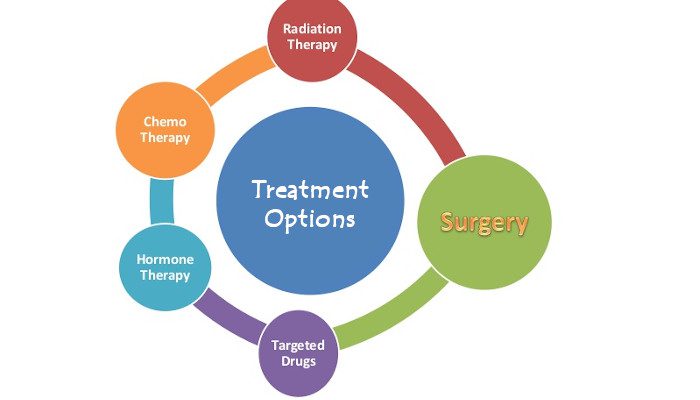
surgery
Common procedures to remove lung cancer include:
- Wedge resection: removal of a small section of lung that contains the tumor also a margin of healthy tissue.
- Segmental resection: removal of a larger portion of the lung.
- Lobectomy: Removal of the entire lobe of one lung
- Pneumonectomy: removal of the entire lung
Radiation therapy
Radiation therapy uses high-powered energy radiations to destroy cancer cells. For patients with locally advanced lung cancer, radiation therapy can be used before surgery or after surgery.
It is usually combined with chemotherapy treatment if surgery is not an option.
Chemotherapy in Delhi
Chemotherapy drugs are given through a vein in the patient’s arm (intravenously) or taken orally to kill cancer cells. In chemotherapy, a combination of drugs is given in a series of treatments over a period of weeks or months, with breaks in between allowing the patient to recover from side effects of chemotherapy.
Targeted drug therapy
Targeted drug treatments block abnormalities in cancer cells focusing on specific abnormalities present within cancer cells causing cancer cells to die.
Immunotherapy in Delhi
Immunotherapy uses a patient’s immune system to fight cancer, done for patients with advanced lung cancer. Immunotherapy interferes with the process of how cancer cells attack one’s immune system.
Palliative care
People with lung cancer often experience signs and symptoms of cancer also the side effects of treatment. Palliative care known as supportive care in cancer is a specialty area of medicine that involves working with an expert to minimize the signs and symptoms of cancer inpatient.
Book an appointment with the Best Cancer Specialist at Oncoplus Hospital.