Stomach cancer, also known as gastric cancer, often develops gradually and may not cause noticeable symptoms in its early stages. Because of this, many patients are diagnosed only after the disease has progressed, making treatment more challenging. However, recognizing the Signs of Stomach Cancer early can significantly improve treatment outcomes and increase the chances of successful recovery.
With advances in oncology, Stomach Cancer Treatment has become more precise and personalized than ever before. Early diagnosis allows specialists to recommend the most effective treatment options while improving survival rates and preserving quality of life.
At Oncoplus Hospital, our multidisciplinary team combines advanced diagnostic technology, experienced oncologists, and personalized care to provide comprehensive Stomach Cancer Treatment in Delhi. Our goal is to diagnose stomach cancer at the earliest possible stage and develop treatment plans tailored to every patient’s needs.
What is Stomach Cancer?
Stomach cancer occurs when abnormal cells grow uncontrollably in the lining of the stomach. Over time, these cells can invade nearby tissues or spread to other parts of the body if left untreated.
Although stomach cancer can affect anyone, the risk increases with age, certain dietary habits, smoking, chronic stomach infections, and a family history of gastric cancer.
Early detection plays a crucial role in improving treatment success and long-term survival.
Why Early Detection Matters
Many people ignore mild digestive symptoms, assuming they are caused by acidity or indigestion. Unfortunately, persistent symptoms can sometimes indicate a more serious condition.
Early diagnosis offers several advantages:
- Greater treatment success
- More treatment options
- Higher survival rates
- Lower risk of cancer spread
- Faster recovery
- Improved quality of life
Modern screening and imaging techniques now make it easier to detect stomach cancer before it reaches an advanced stage.
Common Signs of Stomach Cancer
The Signs of Stomach Cancer can vary from person to person and may appear mild during the early stages.
Watch for symptoms such as:
- Persistent indigestion or heartburn
- Feeling full after eating small amounts
- Ongoing stomach discomfort
- Unexplained weight loss
- Loss of appetite
- Nausea or vomiting
- Difficulty swallowing
- Fatigue caused by anemia
- Blood in vomit or stool
- Persistent abdominal pain
While these symptoms do not always indicate cancer, they should not be ignored if they continue for several weeks.
Can Early Signs of Stomach Cancer Improve Treatment Success?
The answer is yes. Recognizing symptoms early gives doctors an opportunity to diagnose the disease before it spreads.
When stomach cancer is detected in its early stages, treatment is generally more effective because:
- Tumors are often smaller.
- Cancer may still be confined to the stomach.
- Surgery has a higher chance of removing all cancerous tissue.
- Patients may require less intensive treatment.
- Recovery is often quicker with fewer complications.
This is why understanding the Signs of Stomach Cancer can directly contribute to Stomach Cancer Improve Treatment Success and better patient outcomes.
How is Stomach Cancer Diagnosed?
Early and accurate diagnosis is essential for planning the right treatment.
Your doctor may recommend:
Upper Gastrointestinal Endoscopy
A flexible camera is used to examine the inside of the stomach and identify suspicious areas.
Biopsy
A small tissue sample is collected during endoscopy to confirm the diagnosis.
CT Scan or PET-CT Scan
These imaging tests help determine whether the cancer has spread.
Blood Tests
Blood investigations assess overall health and identify conditions such as anemia.
Molecular Testing
Advanced biomarker testing helps doctors develop personalized treatment strategies for eligible patients.
Modern Stomach Cancer Treatment Options
Advancements in oncology have significantly improved Stomach Cancer Treatment over the past few years.
Surgery
When diagnosed early, surgery remains one of the most effective treatments. Depending on the stage, doctors may remove part or all of the stomach along with nearby lymph nodes.
Chemotherapy
Chemotherapy uses anti-cancer medicines to destroy cancer cells. It may be given before surgery to shrink the tumor or after surgery to reduce the risk of recurrence.
Targeted Therapy
Targeted therapy attacks specific proteins or genetic changes that help cancer grow. It offers a more precise approach while reducing damage to healthy cells.
Immunotherapy
Immunotherapy stimulates the body’s immune system to recognize and fight cancer cells. It has become an important option for selected patients with advanced stomach cancer.
Personalized Treatment
Every patient is different. At Oncoplus Hospital, specialists develop individualized treatment plans based on:
- Cancer stage
- Tumor biology
- Genetic profile
- Overall health
- Age
- Previous medical history
This personalized approach helps maximize treatment effectiveness while minimizing unnecessary side effects.
Why Choose Oncoplus Hospital for Stomach Cancer Treatment in Delhi?
Choosing the right cancer hospital is an important step in your treatment journey.
At Oncoplus Hospital, patients receive comprehensive cancer care supported by experienced specialists and advanced medical technology.
Our strengths include:
- Experienced surgical, medical, and radiation oncologists
- Advanced endoscopy and diagnostic facilities
- Personalized treatment planning
- Multidisciplinary tumor board discussions
- Modern chemotherapy and targeted therapy options
- Compassionate patient-centered care
- Comprehensive follow-up and rehabilitation support
Our team works closely with patients and their families to ensure informed decisions throughout the treatment journey.
Tips to Reduce Your Risk
While not all stomach cancers can be prevented, adopting healthy lifestyle habits may help lower your risk.
Consider the following:
- Eat a balanced diet rich in fruits and vegetables.
- Limit processed and smoked foods.
- Avoid tobacco products.
- Reduce alcohol consumption.
- Maintain a healthy body weight.
- Treat persistent stomach infections promptly.
- Schedule regular health check-ups if you have a family history of stomach cancer.
Conclusion
Recognizing the Signs of Stomach Cancer and seeking timely medical evaluation can make a significant difference in treatment outcomes. Early diagnosis increases the likelihood of successful treatment, provides access to more therapeutic options, and improves overall quality of life.
If you or a loved one is experiencing persistent digestive symptoms, do not delay medical consultation. At Oncoplus Hospital, our experts are committed to delivering advanced Stomach Cancer Treatment through evidence-based care, modern technology, and personalized treatment plans tailored to every patient.
Take the First Step Toward Better Health
Early diagnosis saves lives. If you notice persistent digestive symptoms or have concerns about stomach cancer, schedule a consultation with the oncology specialists at Oncoplus Hospital. Our experienced team provides comprehensive Stomach Cancer Treatment in Delhi, helping patients receive timely diagnosis, personalized care, and compassionate support throughout their cancer journey.
Frequently Asked Questions
What are the earliest signs of stomach cancer?
Early symptoms may include persistent indigestion, bloating, feeling full quickly, stomach discomfort, loss of appetite, and unexplained weight loss.
Can stomach cancer be treated successfully if detected early?
Yes. Early-stage stomach cancer has a better prognosis because treatment can begin before the disease spreads, improving the chances of successful recovery.
What is the best treatment for stomach cancer?
Treatment depends on the stage and type of cancer. Options may include surgery, chemotherapy, targeted therapy, immunotherapy, or a combination of these approaches.
Where can I get expert Stomach Cancer Treatment in Delhi?
Oncoplus Hospital offers advanced diagnostic services and personalized Stomach Cancer Treatment in Delhi, supported by a multidisciplinary team of experienced oncology specialists.
When Your Stomach Is Trying to Tell You Something
We’ve all experienced stomach discomfort after a heavy meal. Maybe it was a wedding feast, a spicy dinner, or simply eating more than usual. In most cases, the discomfort fades within a few hours or a day.
But what if your stomach doesn’t feel normal for weeks? What if you’re losing weight without trying, feeling full after just a few bites, or your appetite has suddenly disappeared?
These symptoms may be caused by common digestive problems such as acidity, gastritis, or ulcers. However, when they persist or continue to worsen, they should never be ignored. In some cases, they could be early signs of stomach cancer.
The challenge is that stomach cancer often develops quietly. Its early symptoms closely resemble everyday digestive issues, making it difficult to recognize until the disease has progressed. Understanding the warning signs can help you seek medical attention at the right time.
What Is Stomach Cancer?
Stomach cancer, also known as gastric cancer, develops when abnormal cells in the lining of the stomach begin to grow uncontrollably. Over time, these cells may form a tumor and can spread to nearby lymph nodes or other parts of the body if left untreated.
Most stomach cancers develop gradually over several years. During the early stages, many people experience few or no noticeable symptoms, which is why early diagnosis can be challenging.
Although stomach cancer is less common than some other cancers, it remains a significant health concern in India. Early detection plays an important role in improving treatment outcomes.
Early Symptoms of Stomach Cancer
Many early symptoms of stomach cancer are similar to those caused by common digestive disorders. The difference is that cancer-related symptoms usually persist or gradually worsen over time.
You should consult a doctor if you experience any of the following symptoms that last for several weeks:
- Persistent indigestion or heartburn that does not improve with medication.
- Feeling unusually full after eating a small amount of food.
- Loss of appetite without a clear reason.
- Unexplained weight loss.
- Ongoing discomfort or pain in the upper abdomen.
- Frequent bloating after meals.
- Persistent nausea or repeated vomiting.
- Difficulty swallowing, especially if it gradually becomes worse.
- Black, tarry stools or blood in vomit, which require immediate medical attention.
- Constant fatigue or weakness that may result from anemia caused by slow internal bleeding.
Having one or more of these symptoms does not necessarily mean you have stomach cancer. However, persistent symptoms should always be evaluated by a healthcare professional.
Who Is at Higher Risk?
Certain factors can increase the likelihood of developing stomach cancer, including:
- Age above 55 years
- Infection with Helicobacter pylori (H. pylori)
- A family history of stomach cancer
- Diets high in salted, smoked, or preserved foods
- Smoking or heavy alcohol consumption
- Obesity
- Previous stomach surgery
- Certain inherited genetic conditions
Having one or more risk factors does not mean you will develop stomach cancer, but regular medical check-ups and timely evaluation of symptoms become even more important.
When Should You See a Doctor?
Do not ignore persistent digestive symptoms. You should consult a doctor if you experience:
- Indigestion lasting more than two to three weeks
- Unexplained weight loss
- Difficulty swallowing
- Persistent vomiting
- Blood in vomit or black stools
- Continuous stomach pain or discomfort
- Feeling full after eating very little
Seeking medical advice early can help identify the cause and, if necessary, detect stomach cancer at a stage when treatment is more effective.
How Is Stomach Cancer Diagnosed?
Your doctor may recommend one or more of the following tests:
Medical History and Physical Examination
Your doctor will review your symptoms, family history, lifestyle, and overall health.
Blood Tests
These help detect anemia and assess overall organ function.
Upper GI Endoscopy
An upper gastrointestinal endoscopy is considered the gold standard for diagnosing stomach cancer in Delhi. A thin, flexible tube with a camera is gently passed through the mouth to examine the stomach lining. If any suspicious area is found, a biopsy can be performed during the procedure.
Imaging Tests
CT scans, MRI scans, or PET scans help determine whether cancer has spread beyond the stomach.
Treatment Options for Stomach Cancer
Treatment depends on the stage of the disease, the patient’s overall health, and the location of the tumor.
Common treatment options include:
Surgery
If detected early, surgery may remove part or all of the stomach along with nearby lymph nodes.
Chemotherapy
Chemotherapy may be given before surgery, after surgery, or as the primary treatment when surgery is not possible.
Radiation Therapy
Radiation may be combined with chemotherapy in selected cases to improve treatment outcomes.
Targeted Therapy and Immunotherapy
Advanced stomach cancers may benefit from targeted medicines or immunotherapy based on the tumor’s molecular characteristics.
Nutritional Support
Proper nutrition is an essential part of recovery. Patients often require personalized dietary guidance before, during, and after treatment.
Why Choose Oncoplus Hospital for Stomach Cancer Care?
At Oncoplus Hospital, our multidisciplinary cancer team provides comprehensive care for patients with stomach cancer—from early diagnosis to advanced treatment and long-term follow-up.
Our services include:
- Advanced endoscopic evaluation and biopsy
- Experienced surgical oncologists
- Medical oncology and chemotherapy services
- Personalized nutrition counselling
- Multidisciplinary treatment planning
- Compassionate patient-centered care
Our goal is to deliver evidence-based cancer treatment while supporting patients and their families throughout every stage of their journey.
A Story That Highlights the Importance of Early Diagnosis
Ramesh, a 58-year-old businessman, had lived with what he believed was “acidity” for months. He relied on over-the-counter antacids and assumed his symptoms were caused by spicy food.
Over time, he began feeling full after just a few bites and unintentionally lost several kilograms. His family encouraged him to consult a specialist.
An upper GI endoscopy revealed stomach cancer. Fortunately, it was diagnosed before spreading to distant organs. After undergoing chemotherapy and surgery, Ramesh gradually returned to his daily routine and now continues regular follow-up visits.
While this is a fictional example, it reflects a situation many patients experience. Persistent symptoms should never be ignored.
Takeaway
Stomach cancer often develops silently, and its early symptoms can easily be mistaken for common digestive problems.
If you have persistent indigestion, unexplained weight loss, loss of appetite, difficulty swallowing, or ongoing stomach discomfort, consult a qualified healthcare professional without delay. Early diagnosis significantly improves the chances of successful treatment.
At Oncoplus Hospital, we are committed to providing comprehensive stomach cancer diagnosis, treatment, and supportive care with compassion and expertise. If you have concerns about persistent digestive symptoms, our experienced oncology team is here to help you take the next step toward better health.
Frequently Asked Questions
What are the first symptoms of stomach cancer?
Persistent indigestion, feeling full quickly, loss of appetite, unexplained weight loss, bloating after meals, and ongoing stomach discomfort are among the common early symptoms.
Is stomach cancer curable?
Yes. When diagnosed at an early stage, stomach cancer can often be treated successfully through surgery, chemotherapy, targeted therapy, immunotherapy, or a combination of these treatments.
How is stomach cancer diagnosed?
The primary diagnostic test is an upper GI endoscopy with biopsy. Additional imaging tests such as CT scans, MRI, or PET scans help determine the stage of the disease.
Can stomach cancer be prevented?
While not all cases can be prevented, maintaining a healthy lifestyle, avoiding tobacco, limiting alcohol intake, treating H. pylori infection, and eating a balanced diet rich in fruits and vegetables may help reduce the risk.
Medical Disclaimer: This article is intended for educational purposes only and should not replace professional medical advice, diagnosis, or treatment. If you experience persistent digestive symptoms, consult a qualified healthcare professional for an accurate evaluation.
Stomach Cancer is one of the most serious yet often overlooked health conditions affecting people worldwide. In India, many patients are diagnosed at advanced stages because early symptoms are mild and easily mistaken for common digestive issues. However, identifying the warning signs early can significantly improve treatment outcomes and survival rates.
At Oncoplus Hospital, we believe that awareness and timely medical intervention are the first steps toward effective cancer care. This blog will guide you through the early symptoms of stomach cancer, risk factors, diagnosis, and the best treatment options available in Delhi.
What is Stomach Cancer?
Stomach cancer develops when abnormal cells begin to grow uncontrollably in the lining of the stomach. Over time, these cells can form tumors and spread to other parts of the body if not treated early. The most common type is adenocarcinoma, which starts in the inner lining of the stomach.
Early Signs of Stomach Cancer You Should Never Ignore
One of the biggest challenges with stomach cancer is that early symptoms are often subtle. Many people ignore these signs, assuming they are minor digestive issues. Here are some key symptoms you should pay attention to:
- Persistent Indigestion and Acidity
Frequent indigestion, heartburn, or bloating that does not go away with medication can be an early warning sign. - Unexplained Weight Loss
Losing weight without any changes in diet or exercise should never be ignored. - Loss of Appetite
A sudden decrease in appetite, especially if it lasts for weeks, could indicate an underlying issue. - Feeling Full Quickly
If you feel full after eating a small amount of food, it may be a symptom of stomach abnormalities. - Nausea and Vomiting
Frequent nausea or vomiting, sometimes with blood, can be a serious concern. - Stomach Pain or Discomfort
Persistent pain or discomfort in the upper abdomen should be evaluated by a doctor. - Fatigue and Weakness
Ongoing tiredness without a clear reason may be linked to internal health issues, including cancer.
If you experience any of these symptoms for more than two weeks, it is important to consult a specialist immediately.
Causes and Risk Factors
Understanding the causes can help in prevention and early detection. Some common risk factors include:
- Infection caused by Helicobacter pylori bacteria
- Smoking and alcohol consumption
- Diet high in salty, smoked, or processed foods
- Family history of stomach cancer
- Chronic gastritis or long-term inflammation of the stomach
People with these risk factors should consider regular health check-ups for early detection.
Importance of Early Diagnosis
Early diagnosis plays a crucial role in successful treatment. When detected at an early stage, signs of stomach cancer is more treatable and manageable. Diagnostic methods include:
- Endoscopy: A thin tube with a camera is used to examine the stomach lining
- Biopsy: Tissue samples are tested for cancer cells
- CT Scan & Imaging: Helps determine the stage and spread of cancer
- Blood Tests: To check overall health and detect abnormalities
At Oncoplus Hospital, advanced diagnostic tools ensure accurate and timely detection.
Advanced Treatment Options at Oncoplus Hospital
Delhi is a leading destination for cancer treatment in India, offering world-class healthcare facilities. At Oncoplus Hospital, patients receive personalized care with access to advanced treatment options, including:
- Surgery
Surgical removal of the tumor is often the first line of treatment, especially in early-stage cancer. - Chemotherapy
This treatment uses drugs to kill cancer cells or stop their growth. - Radiation Therapy
High-energy rays are used to target and destroy cancer cells. - Targeted Therapy
This modern treatment focuses on specific molecules involved in cancer growth, minimizing damage to healthy cells. - Immunotherapy
A cutting-edge approach that boosts the body’s immune system to fight cancer.
Each treatment plan at Oncoplus Hospital is customized based on the patient’s condition, stage of cancer, and overall health.
Why Choose Oncoplus Hospital in Delhi?
When it comes to cancer care, choosing the right hospital makes all the difference. Oncoplus Hospital stands out as a trusted name for several reasons:
- Experienced team of oncologists and specialists
- State-of-the-art diagnostic and treatment facilities
- Patient-centric approach with personalized care plans
- Affordable and transparent treatment options
- Comprehensive support, including nutrition and counseling
Patients searching for the best cancer treatment in Delhi often rely on Oncoplus Hospital for its expertise and compassionate care.
Lifestyle Tips for Prevention
While not all cases of stomach cancer can be prevented, certain lifestyle changes can significantly reduce the risk:
- Eat a healthy diet rich in fruits and vegetables
- Avoid processed and salty foods
- Quit smoking and limit alcohol intake
- Maintain a healthy weight
- Practice good hygiene to prevent infections
- Schedule regular medical check-ups
Prevention and early detection go hand in hand in reducing the impact of stomach cancer.
When Should You See a Doctor?
You should consult a doctor immediately if:
- Symptoms persist for more than two weeks
- You notice blood in vomit or stool
- There is sudden and unexplained weight loss
- You experience severe or continuous abdominal pain
Ignoring these signs can delay diagnosis and make treatment more difficult.
Conclusion
Stomach cancer is a serious condition, but early detection can make a life-saving difference. Being aware of the warning signs and seeking timely medical care is crucial. If you or your loved ones experience persistent digestive issues or unusual symptoms, do not ignore them.
At Oncoplus Hospital, we are committed to providing expert diagnosis, advanced treatment, and compassionate care to every patient. As a leading best cancer hospital in Delhi, our goal is to help patients fight cancer with confidence and hope.
Early action saves lives—listen to your body and take the first step toward better health today.
Many people struggle with stubborn fat deposits that do not respond to diet or exercise. For individuals looking to enhance their body shape and confidence, liposuction surgery has become a trusted solution. This procedure is now widely available at advanced healthcare centers, including those recognized for offering the best cancer treatment in Delhi. Choosing a reputed cancer specialist hospital in Delhi not only ensures expert surgical care but also provides the highest standards of safety, making liposuction a reliable option for patients who want lasting results.
What is Liposuction Surgery?
Liposuction, also known as “lipo” or “fat removal surgery,” is a minimally invasive cosmetic procedure that removes stubborn fat deposits from targeted areas of the body. These areas often include the abdomen, thighs, arms, hips, buttocks, chin, and back. Unlike weight loss methods, liposuction is not designed for overall obesity management but for body contouring—reshaping specific areas to create a more proportionate appearance.
The procedure is performed by a qualified surgeon, often using advanced techniques such as tumescent liposuction, ultrasound-assisted liposuction (UAL), or laser-assisted liposuction (LAL).
Who is an Ideal Candidate for Liposuction?
Not everyone is suitable for liposuction. An ideal candidate is:
- A person with stable body weight but localized fat deposits.
- Someone with good skin elasticity and muscle tone.
- A non-smoker or someone who can quit smoking before and after surgery.
- Individuals who are generally healthy and have realistic expectations.
People with serious health concerns, uncontrolled diabetes, or weakened immunity may not be suitable candidates. A consultation with a specialist surgeon at a reputed hospital is always recommended.
How Liposuction Surgery is Performed
The process of liposuction involves a few key steps:
- Anesthesia – Depending on the area and extent, local or general anesthesia is administered.
- Incision – Small incisions are made in the targeted area.
- Fat Loosening – A thin tube (cannula) is inserted to break down fat cells using suction or laser technology.
- Fat Removal – The dislodged fat is suctioned out through the cannula.
- Closing the Incision – The incisions are closed with minimal scarring.
The duration of the procedure varies from one to three hours, depending on the size of the treatment area.
Benefits of Liposuction Surgery
Liposuction is not just about cosmetic improvement—it offers multiple benefits that impact confidence and lifestyle.
- Improved Body Shape and Contours
Liposuction helps remove stubborn fat pockets that do not respond to diet and exercise, giving a more proportionate body. - Boosted Confidence
Many patients experience enhanced self-esteem after achieving their desired body shape. - Permanent Fat Removal
Fat cells removed during liposuction do not return, provided the patient maintains a healthy lifestyle. - Treatment of Medical Conditions
Liposuction can also treat certain conditions like lipomas (benign fatty tumors), gynecomastia (excess fat in male breasts), or lymphedema (swelling due to lymph fluid). - Combination with Other Procedures
It can be safely combined with tummy tucks or body lifts for more comprehensive results.
Recovery After Liposuction Surgery
Recovery is an essential phase of liposuction. Patients are usually discharged the same day or within 24 hours. Here’s what recovery looks like:
- Mild swelling, bruising, and discomfort for the first few days.
- Compression garments are recommended to support healing.
- Light activity can be resumed in a few days, but strenuous activity should be avoided for at least 4–6 weeks.
- Final results are visible after swelling subsides, typically within 2–3 months.
Your surgeon will provide detailed post-operative care instructions to ensure smooth healing.
Risks and Safety Considerations
Like any surgery, liposuction carries some risks. Potential complications include infection, bleeding, uneven contours, or skin irregularities. However, when performed by experienced surgeons at a cancer specialist hospital in Delhi or a recognized multi-specialty center, the risks are minimized due to advanced medical infrastructure, sterile techniques, and expert care.
Liposuction vs. Weight Loss: What’s the Difference?
It is important to understand that liposuction is not a weight loss surgery. It focuses on reshaping the body by removing localized fat deposits, not reducing overall body weight. People who want to lose significant weight may need to explore lifestyle changes, bariatric surgery, or medical weight management programs before considering liposuction.
Why Choose a Specialist Hospital in Delhi for Liposuction?
When it comes to cosmetic or reconstructive procedures, the choice of hospital matters. A cancer specialist hospital in Delhi or a multi-specialty center often has the latest surgical equipment, highly qualified surgeons, and state-of-the-art safety protocols. Even if liposuction is a cosmetic procedure, undergoing it at a reputed healthcare facility ensures world-class care and long-term safety.
Hospitals known for offering the best cancer treatment in Delhi are also recognized for their advanced surgical expertise, modern infrastructure, and patient-first approach. Patients can expect accurate pre-surgical assessments, safe anesthesia management, and dedicated post-operative care.
Frequently Asked Questions (FAQs)
- Is liposuction painful?
Liposuction is performed under anesthesia, so patients do not feel pain during surgery. Some soreness and swelling are common during recovery but can be managed with medication. - How much fat can be removed?
Surgeons usually remove between 2–5 liters of fat safely, depending on the patient’s health and targeted area. - Are the results permanent?
Yes, fat cells removed through liposuction do not come back. However, maintaining a healthy diet and exercise routine is essential to prevent new fat accumulation. - How soon can I return to work?
Most patients resume work within a week, though it depends on the size of the treatment area and the nature of their job. - Is liposuction safe for cancer patients?
Cancer survivors or patients must consult their oncologist and surgical team before considering liposuction. Undergoing the procedure at a cancer specialist hospital in Delhi ensures safe evaluation and expert guidance.
Conclusion
Liposuction surgery is a safe, effective, and lasting solution for people who want to reshape their bodies and eliminate stubborn fat deposits. While it is not a substitute for weight loss, it can significantly enhance body confidence and improve lifestyle. Choosing the right hospital is crucial—especially a reputed center known for advanced care and trusted specialists.
Hospitals that provide the best cancer treatment in Delhi are also well-equipped to handle cosmetic and reconstructive surgeries like liposuction with utmost precision and safety. With expert consultation, advanced technology, and dedicated care, liposuction can be a life-changing step toward improved confidence and overall wellness.
What Is GERD (Gastroesophageal Reflux Disease)?
Gastroesophageal Reflux Disease (GERD) is one of the most commonly overlooked digestive disorders affecting millions of people. Characterized by frequent acid reflux and heartburn, GERD can significantly impact day-to-day comfort and quality of life if left untreated. Though often considered a minor issue, chronic GERD may lead to more serious complications over time, including pre-cancerous conditions.
At our state-of-the-art facility—recognized among the best cancer treatment center in Delhi—we understand the importance of early diagnosis and comprehensive care. Whether it’s a simple reflux or a symptom of a more serious condition, our experts are equipped to provide thorough evaluations and the most effective treatment options.
Understanding GERD
GERD occurs when stomach acid frequently flows back into the tube connecting your mouth and stomach—your esophagus. This acid reflux can irritate the lining of your esophagus and cause persistent discomfort.
Most people experience acid reflux occasionally. However, if you experience acid reflux more than twice a week and it disrupts your daily life, you may have GERD.
Common Symptoms of GERD
GERD symptoms can vary in intensity, but the most common signs include:
- Heartburn: A burning sensation in the chest, often after eating, which might worsen at night
- Regurgitation: Sour liquid or food coming back into the mouth or throat
- Chest pain
- Difficulty swallowing (dysphagia)
- Chronic cough or sore throat
- Hoarseness or laryngitis
- Feeling of a lump in the throat
If you or a loved one is experiencing any of these symptoms persistently, it’s important to seek medical evaluation. Our team, part of a leading cancer hospital in Delhi, specializes in both gastrointestinal and oncological assessments to ensure comprehensive care.
Causes of GERD
GERD is typically caused by frequent acid reflux, but several other factors can increase your risk:
- Obesity
- Hiatal hernia
- Pregnancy
- Smoking
- Eating large meals or lying down soon after eating
- Certain foods (spicy, fatty, chocolate, caffeine, alcohol)
- Medications, including aspirin and blood pressure drugs
Lifestyle changes can often help manage GERD effectively. However, in some cases, medical or surgical intervention may be necessary.
Diagnosis and Tests
To accurately diagnose GERD, your doctor may recommend:
- Upper Endoscopy – A small camera is inserted down the throat to examine the esophagus and stomach.
- Esophageal pH Monitoring – Measures acid levels in the esophagus over 24-48 hours.
- Manometry – Measures the rhythmic muscle contractions in your esophagus.
- X-ray – Sometimes used to visualize issues with the esophagus.
At our advanced diagnostic center, which also serves as one of the top cancer hospitals in Delhi, these tests are performed with utmost precision and patient care.
Is GERD Linked to Cancer?
While GERD itself is not cancer, chronic GERD can lead to Barrett’s esophagus, a condition in which the tissue lining the esophagus changes. Barrett’s esophagus increases the risk of developing esophageal cancer.
This is why early diagnosis and regular monitoring are critical. Our facility is not only known for the best cancer treatment in Delhi, but also for its proactive approach to detecting pre-cancerous conditions early, ensuring peace of mind for every patient.
Read More Blog: What should you know about esophageal cancer?
Treatment Options for GERD
- Lifestyle Changes
- Eat smaller meals
- Avoid lying down after meals
- Elevate the head while sleeping
- Avoid trigger foods and smoking
- Medications
- Antacids – To neutralize stomach acid
- H2 blockers – Reduce acid production
- Proton pump inhibitors (PPIs) – Stronger acid blockers
- Prokinetics – Help your stomach empty faster
- Surgery (if required)
In severe cases where medication and lifestyle changes fail, fundoplication (a surgical procedure) may be performed to tighten the lower esophageal sphincter.
Our hospital combines cutting-edge treatment with compassionate care, making us a preferred choice for patients not just for GERD but also for those seeking the best cancer treatment in Delhi.
Preventing GERD: Tips for a Healthier Digestive System
- Maintain a healthy weight
- Avoid tight-fitting clothes
- Don’t smoke
- Eat slowly and chew thoroughly
- Avoid heavy meals before bedtime
- Keep a food diary to identify triggers
A healthy gut is essential to overall well-being. Prevention and timely treatment of conditions like GERD can improve your quality of life and reduce the risk of complications down the road.
Why Choose Us for Digestive and Cancer Care?
We are more than just a treatment center—we are a center of excellence in both gastrointestinal and oncological health. Here’s what sets us apart:
✅ Multidisciplinary team of gastroenterologists and oncologists
✅ Modern diagnostic and surgical technology
✅ Compassionate, patient-first care
✅ Recognized as a top cancer hospital in Delhi
✅ Trusted name for the best cancer treatment in Delhi and GI care
Whether you’re experiencing mild acid reflux or worrying signs of GERD, our team is here to help you find relief, understand your condition, and support your journey toward better health.
Conclusion
GERD (Gastroesophageal Reflux Disease) is a manageable condition that should not be ignored. With the right diagnosis, timely intervention, and expert care, you can lead a healthy, symptom-free life.
If you or someone you know is struggling with persistent digestive issues, don’t wait. Early intervention is key—not just for GERD, but also for identifying serious conditions like esophageal cancer. At our leading cancer hospital in Delhi, we are committed to delivering world-class healthcare with compassion.
Book your consultation today and take the first step towards better digestive health and overall wellness.
Stomach cancer, also known as gastric cancer, is a serious condition that develops in the lining of the stomach. While it is relatively less common compared to other cancers, recognizing the signs and symptoms early is crucial for timely diagnosis and effective treatment. In this comprehensive guide, we’ll delve into the signs of stomach cancer, diagnostic methods used by healthcare professionals, and the various treatment options available to those diagnosed with this condition.
Signs and Symptoms of Stomach Cancer
Stomach cancer can present with a variety of symptoms, many of which may initially seem mild or unrelated. However, it’s important to pay attention to any changes in your body and seek medical evaluation if you experience the following:
- Persistent Indigestion: Chronic indigestion, characterized by discomfort or a burning sensation in the upper abdomen after eating, can be an early sign of stomach cancer.
- Unexplained Weight Loss: Significant and unintentional weight loss, not attributable to changes in diet or exercise, may signal an underlying health issue such as stomach cancer.
- Abdominal Pain: Persistent or recurrent abdominal pain, particularly in the upper abdomen, may indicate the presence of a tumor in the stomach.
- Loss of Appetite: A sudden decrease in appetite or feeling full quickly even after consuming small amounts of food could be a symptom of stomach cancer.
- Nausea and Vomiting: Frequent nausea and vomiting, sometimes with blood or a coffee ground-like appearance, should not be ignored and warrant medical attention.
- Difficulty Swallowing: Dysphagia or difficulty swallowing, along with a sensation of food getting stuck in the throat or chest, can be associated with advanced stomach cancer.
It’s important to note that these symptoms can be caused by various other conditions as well. However, if you experience any of these symptoms persistently, especially if they are new or unusual for you, consult your healthcare provider for further evaluation.
Diagnostic Procedures
When stomach cancer is suspected based on symptoms and physical examination, your doctor may recommend the following diagnostic procedures to confirm the diagnosis and determine the extent of the cancer:
- Endoscopy: This procedure involves inserting a thin, flexible tube with a camera (endoscope) through the mouth into the stomach. The doctor can visualize the inside of the stomach and take tissue samples (biopsies) from suspicious areas for further analysis.
- Imaging Tests: CT scans, MRI scans, or PET scans may be ordered to obtain detailed images of the stomach and surrounding tissues. These scans help assess the size and location of the tumor and identify any spread to nearby lymph nodes or distant organs.
- Biopsy: Tissue samples obtained during endoscopy or surgery are examined under a microscope by a pathologist to confirm the presence of cancer cells. Biopsy results also provide important information about the type and stage of stomach cancer.
Treatment Options
Treatment for stomach cancer depends on several factors, including the stage of cancer, the location and size of the tumor, and the overall health of the patient. The main treatment modalities for stomach cancer include:
- Surgery: Surgical removal of the cancerous part of the stomach (partial gastrectomy) or the entire stomach (total gastrectomy) may be recommended, especially for early-stage stomach cancer. In some cases, nearby lymph nodes may also be removed during surgery to check for cancer spread.
- Chemotherapy: Chemotherapy involves the use of powerful medications (anticancer drugs) to destroy cancer cells or shrink tumors before surgery (neoadjuvant chemotherapy) or after surgery (adjuvant chemotherapy). Chemotherapy may also be used as the primary treatment for advanced or metastatic stomach cancer.
- Radiation Therapy: Radiation therapy uses high-energy rays (such as X-rays or protons) to target and kill cancer cells or relieve symptoms such as pain or bleeding. It is often used in combination with surgery and/or chemotherapy for certain types of stomach cancer.
- Targeted Therapy: Targeted therapy drugs are designed to specifically target cancer cells’ vulnerabilities, such as blocking the action of specific proteins involved in cancer growth. Targeted therapy may be used in cases where stomach cancer has specific genetic mutations or is resistant to other treatments.
Read More Blog: HIPEC – An Advanced Chemotherapy Treatment To Destroy Cancer Cells
Conclusion
If you suspect you may have symptoms of stomach cancer or have been diagnosed with this condition, it’s important to take proactive steps to seek medical attention promptly. Early detection and treatment significantly improve outcomes for individuals diagnosed with stomach cancer. Remember, each person’s journey with stomach cancer is unique, and treatment plans should be tailored to individual needs and preferences.
Consult with a multidisciplinary team of healthcare professionals, including oncologists, surgeons, gastroenterologists, and supportive care specialists, to develop a comprehensive treatment plan that addresses your specific situation. Participate actively in your care, ask questions, and seek support from family members, friends, or cancer support groups to navigate this challenging time.
By raising awareness about the signs of stomach cancer and advocating for timely diagnosis and treatment, we can contribute to better outcomes and improved quality of life for individuals affected by this disease.
If you have any concerns or questions about stomach cancer or need support, don’t hesitate to reach out to your healthcare provider. Together, we can make strides in combating stomach cancer and improving patient outcomes.
Physical Activity Reduces Cancer Risk:
Physical activity is defined as body movements that require energy and use your muscles rather than resting. This includes walking, running, exercising, swimming, dancing, biking, doing housework, and participating in sports. If you perform moderate to vigorous physical activity on a regular basis, it will lower your risk of cancer as well as other chronic diseases such as heart disease, diabetes, etc. The physical activities will make you sweat and increase your heart rate. According to the research, if you avoid sitting and do any kind of physical activity, it will lower your risk of having cancer as well as lessen the side effects of cancer treatment. In this blog, you will learn how physical activity lowers your risk of cancer.
How will exercise help reduce the risk of cancer?
According to the study, people who exercise regularly have a lower risk of developing cancer. Inadequate physical activity causes a variety of health problems, including cardiovascular disease, diabetes, obesity, poor bone health, stroke, and depression. If you make a schedule to perform exercise on a regular basis, it will help you before, during, and after the treatment of cancer. If you rest or sit too much, then your body will not function properly, and your muscles will also get weak. Cancer specialists always urge their patients to be physically active as much as possible because it also lessens the side effects of cancer treatment.
If you exercise, then your body and brain will work better, reduce fatigue, improve your muscle strength, lessen your depression, sleep better, improve your immune system, increase your appetite, maintain a healthy weight, improve the quality of your life, decrease the risk of having cancer in the future, and most importantly, reduce the side effects of cancer treatment.
Physical Activity Lowers Cancer Risk:
- Colon Cancer:
Studies reveal that people who exercise frequently have a lower chance of developing colon cancer. People who exercise regularly have a 40% to 50% lower risk of colon cancer than those who don’t exercise. Persons who remain active throughout their lives have the lowest risk of developing colon cancer.
- Breast Cancer:
Women who engage themselves in exercise or any kind of physical activity will lower their risk of breast cancer. Inactive women have a higher risk of having cancer; this means that if the activity level of the women is low, it is more likely that they will suffer from cancer. It is very important that women increase their activity level to reduce their risk of cancer.
- Bladder Cancer:
Individuals who engaged in the most physical activity had a lower risk of bladder cancer than those who engaged in the least amount of physical activity. People who spend their leisure time doing physical activity will reduce their risk of bladder cancer.
- Endometrial cancer:
Endometrial cancer is basically cancer that develops in the lining of the uterus. Women who are physically active have a lower risk of endometrial cancer than those who are inactive. This is because physical activity reduces obesity, and obesity is a major risk factor for endometrial cancer.
- Kidney Cancer
The most physically active people had a lower risk of renal cancer than the least active people. The person can utilize their leisure time for physical activity to reduce the risk of kidney cancer.
- Stomach Cancer
People who are in the habit of doing regular exercise have a lower risk of stomach cancer compared to those who are less active.
Guidelines for Promoting Physical Activity in Children and Adults:
- Children should cut down on TV time and the time they spend playing video games.
- Do not use too many computers or electronic devices, as this will reduce your physical activity.
- Students should participate in physical activities in school.
- Adults should do yoga or participate in dancing to increase their physical activity.
- For doing exercise regularly, you should ask your friends, co-workers, or family members to support you.
To lower the risk of cancer, it is very necessary that you schedule exercise in your daily routine. Patients who are suffering from cancer should exercise less vigorously as compared to non-cancer patients. The main motto is to be as active as you can. Hence, you should schedule exercise in your daily routine to reduce cancer risk and make yourself more active.
Stomach cancer, also known as gastric cancer is a growth of cancerous cells inside the lining of the stomach. It gets extremely difficult to diagnose as most patients normally don’t show symptoms in the initial stages.
Gastric cancer is quite rare and dangerous as compared with other kinds of cancer as this disease is difficult to diagnose until after it spreads to other parts of the body, which makes it quite hard to treat. Stomach cancer is said to happen when healthy cells within the upper digestive system become cancerous and form a tumor, this tends to happen over many years and is a slow process.
There are a few risk factors, which might increase the risk of developing these cancerous cells like lymphoma, stomach infections that leads to ulcers, abnormal growth in the lining of the stomach and tumors in the digestive system.
Gastric cancer is common among people who are older, 50 years or more, smokers and genetics; people with a family history of this disease. There are a few lifestyle related factors, which might impact peoples risk of developing gastric cancer, for instance people who eat a lot of meat, salty foods, history of alcohol abuse and no exercise, can adversely affect the gut health.
An ounce of prevention is worth a pound of cure, if you feel that you’re at risk of stomach cancer, get Screening tests done at Oncoplus Hospital, which is a state-of-the-art center for cancer treatment in New Delhi. Screening tests are done on people who are at risk for certain diseases but don’t show symptoms yet.
Identifying signs and symptoms can help with treatment, sadly Gastric Cancer has no early signs or symptoms of stomach cancer and people only get to know when the cancer reaches an advanced stage, a few symptoms of advanced stomach cancer are stomach pain, which gets bad right after the meals, nausea, vomiting, bloody stools, bloating, loss of appetite with sudden weight loss and fatigue.
Normally stomach cancer is treated with one or more of the following; Chemotherapy, Radiation Therapy, Surgery and Immunotherapy. The clinician decides the exact course of treatment plan as per the type and stage of the cancer. The oncologist will not only treat the cancer cells but, will also prevent the cells from spreading. If left untreated, the cancer may spread to the lungs, bones, and the liver.
Gastric cancer cannot be prevented but people can lower their risk factors by modifying their lifestyle, eating balanced meals, quit smoking and exercise often. Tele Consult with our expert doctors at Oncoplus Hospital, Defence Colony, New Delhi, write to us info@oncoplus.co.in or call us at +91 85889 09091 to book an appointment and learn more about Gastric Cancer.
What Is Stomach Cancer?
It occurs when abnormal cells or cancerous cells start on the linings of the stomach, and the most common stomach cancer is adenocarcinoma.
Types
- Adenocarcinoma: one of stomach cancer types that develop from the inner linings of the stomach; the most common type of it
- Lymphoma: a cancer of the immune system that starts where the lymphatic tissues are situated, such as the stomach; it occurs rarely
- A gastrointestinal stromal tumor (GIST): a type of cancer in the stomach that develops in the cells (interstitial cells of Cajal) of the stomach wall; it can be a benign or metastatic form of cancer.
- Carcinoid tumor: is a type of neuroendocrine tumor that develops in the digestive tract; it grows slowly and manifests symptoms on its later stage
Stages
How many stages of it are there? There are five stomach cancer stages, which define the severity and extent of cancer.
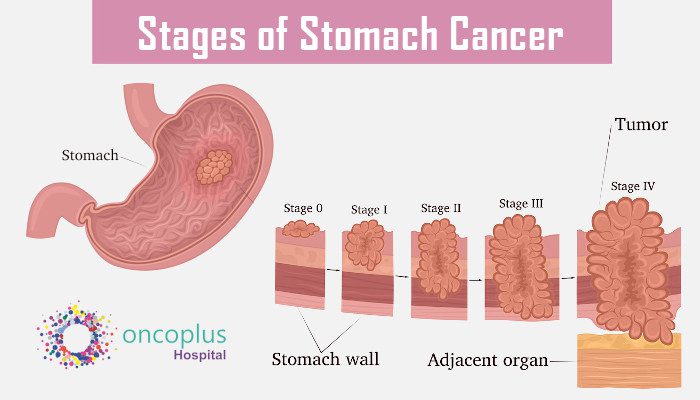
- Stage 0 (Carcinoma in situ): a group of abnormal cells (high-grade dysplasia) is present in the lining of the stomach, or on the top layer of cells of the mucosa
- Stage I: the tumor from the top layer of cells of the mucosa has reached the layers below: lamina propria, muscularis mucosa, or submucosa; it may not or may have lymph node involvement (1-2 nodes)
- Stage II: cancer cells have extended to the deeper layers of the stomach and may not or may have lymph node involvement (1-15 lymph nodes)
- Stage III: it can involve all stomach layers, has spread to nearby organs and structures, or adjacent lymph node involvement (1to > 16 lymph nodes)
- Stage IV: cancer cells have spread to all stomach layers, and may not or may have lymph node involvement. But has already reached distant organs such as the brain, lungs, liver, or peritoneum.
Symptoms
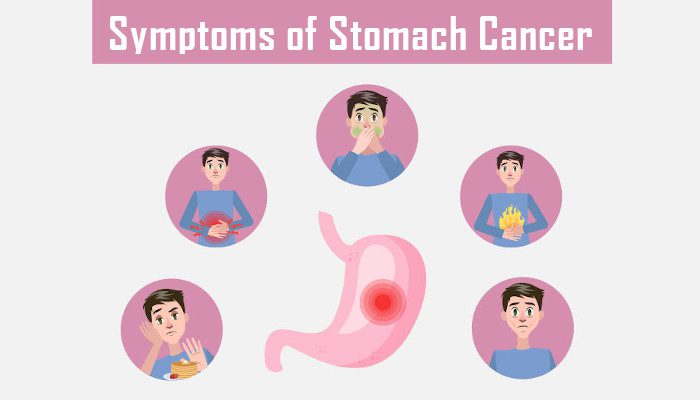
- The bloated feeling after food ingestion
- Heartburn
- Indigestion
- Mild nausea
- Loss of desire for food
symptoms in advance stages:
- Persistent vomiting
- Stomach pain
- Blood in the stool- a sign of bleeding in the digestive tract
- Unexplained weight loss
- Difficulty in swallowing
- Jaundice- the skin, eyes, and mucous membranes become yellow
- Ascites- accumulation of fluid in the abdomen
Risks
Who Gets it? There are various factors on how a person can develop cancer in the stomach. Here are some risks:
- Family history of stomach cancer
- Male gender
- Obesity
- Old age
- Diet high in salt and smoked foods
- Less intake of fruits and vegetables
- Eating foods that are not prepared well and improperly stored
- Smoking
- Stomach diseases
- Chronic gastritis: chronic inflammation in the stomach
- Polyps in the stomach
- Helicobacter pylori infection in the stomach
- Pernicious anemia
- Intestinal metaplasia
- Epstein-Barr Virus
Book an appointment with Oncology experts at Oncoplus Cancer care.
Diagnosis
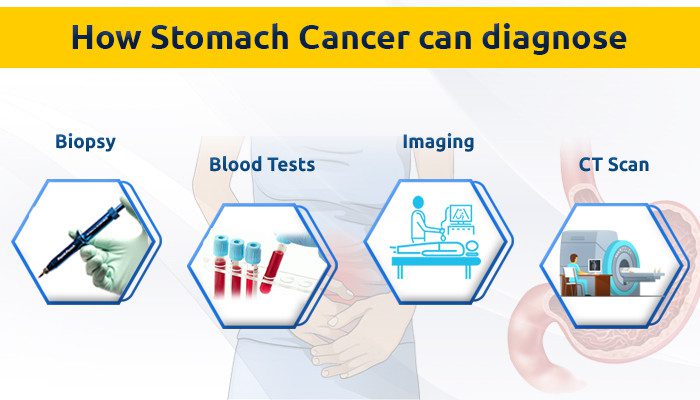
How it is detected? Cancer in the stomach is detected by an assessment from the doctor and undergoing tests or procedures that will guide doctors in stomach cancer diagnosis and staging.
- Obtaining history and physical assessment: the physician will ask about stomach cancer symptoms that you have experienced and obtain data if you have stomach cancer risk factors. The physician will perform a physical assessment such as palpation of the abdomen to determine if you have stomach cancer signs.
- Upper Endoscopy: the leading test for stomach cancer diagnosis. Through upper endoscopy, the doctor can visualize the linings of the esophagus, stomach, and part of the small intestines.
- Biopsy If any unusual growth or abnormal areas is seen during endoscopy, the doctor can take a small sample of tissues that will be sent to the laboratory to check for the presence of cancer cells.
- Laboratory tests
- Complete blood count (CBC): to check for decreased hemoglobin levels, it could be due to bleeding in the digestive tract
- Fecal occult blood test: to determine the presence of blood in the stool that cannot be seen by the naked eyes
- Imaging tests: done to determine if a suspected part of the body is cancerous, the extent of cancer, or to evaluate if the treatment has been effective to it.
- Chest X-ray
- Positron Emission Tomography (PET) Scan
- Magnetic Resonance Imaging (MRI)
- CT-scan
- Upper GI series
Book an appointment with the best kidney cancer doctors in Delhi for Kidney Cancer Treatment
Treatment
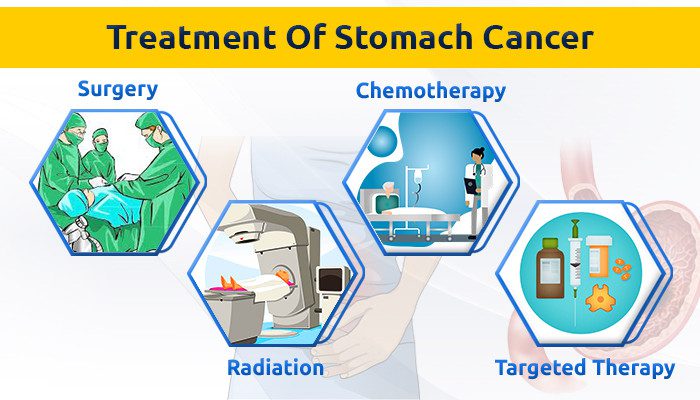
- Surgery
- Endoscopic resection: it treatment that is performed to a very early stage of cancer in the stomach. The doctor will use an endoscope and pass it through the mouth going down the stomach, and then surgical instruments are inserted into the endoscope to remove the tumor and some adjacent healthy cells on the stomach linings.
- Subtotal (Partial) Gastrectomy: surgical removal of the part of the stomach with cancer including adjacent lymph nodes, organs, and structures close to the tumor.
- Total Gastrectomy: surgical removal of the whole stomach, adjacent lymph nodes, some parts of the esophagus, some part of the small intestine or the duodenum, and nearby tissues. The remaining esophagus will be connected to the small intestine.
- Radiation therapy: it treatment that utilizes high energy x-rays to eradicate cancer cells and stop their growth
- External radiation therapy
- Internal radiation therapy
- Chemotherapy: uses chemicals to eliminate cancer in the stomach
- Neoadjuvant chemotherapy: causes the tumor to shrink for easy removal
- Adjuvant chemotherapy: used after surgical intervention to eliminate remaining cancer cells in the stomach
- Targeted therapy: another stomach cancer treatment that uses medications that strike specific cancer cells and refraining healthy cells.
- Monoclonal antibody therapy: uses antibodies from a laboratory, and they attach to substances that sustain the growth of cancer cells, thus killing the cancer cells and inhibiting their growth and reproduction.
- Multikinase inhibitors are small-molecule drugs that go inside the cancer cells to disrupt the multiple protein signals to stop their growth and reproduction. Other drugs have angiogenesis inhibitor effects that stop new blood vessel formation, which tumors needed to flourish.
Book an appointment with the Best Cancer Specialist at Oncoplus Hospital.