Prevention against cancer and the ways to reduce its risk helps to bring a greater change in the body. It helps with early detection and successful treatment.
Here is our basic information about the term cancer and what you need to know about it.
Several types in one- Cancer might seem like a single type of ailment, it has broad meaning and variation. Cancer is not just one type of disease that happens to everyone, it is just a disease name and can vary from person to person based on its type.
Develops at any part of the body- It can originate at any part of the body. The basics of cancer development are when cells grow abnormally and take over standard cells. It disrupts the natural cycle of the body and leads to the formation of tumours which eventually spreads to the other parts of the body, making it all cancerous.
Time of occurrence - Cancer can also occur at any age and are efficiently treatable if detected early. While some cancers are highly contagious, others take some time to show their symptoms.
Mode of Treatment - Not all cancers are treatable through one common practice. Some cancer types are either treated with the surgical operation, others respond better with chemotherapy. There are two or more treatment processes required for the cancer treatment to garner the best results.
Witnessed Symptoms - Generally, cancer forms a lump that is known as a tumour, it is the accumulation of new malignant cells. There are also some cancers like leukaemia (cancer of the blood) that do not form any growth or tumour.
Stages in Cancer - Cancer is also identified with their different stages. Terms like Stage 1 and Stage 2 are often employed to describe the state of the cancer development that helps in the treatment. The Lower stage like Stage 1 and 2 signify that cancer has not spread while higher stages like stage 3 and 4 stage cancer have spread widely. The condition of the cancerous growth over the body determines the type of treatment.
There are several treatment options available to cure bone cancer at Oncoplus Hospital, Delhi.
What causes Cancer?
cancer leads to the damage in the genes that either happens via chance or through abundant exposure to malignant chemicals present in the environment. The prime suspect that causes cancer is known as carcinogens. A carcinogen is a chemical that is present in some molecules of tobacco or smoke. However, cancer can happen with environmental agents, genetics or viral factors. The number of growing cancers in the world is not attributed to a single cause, they all vary from each other.
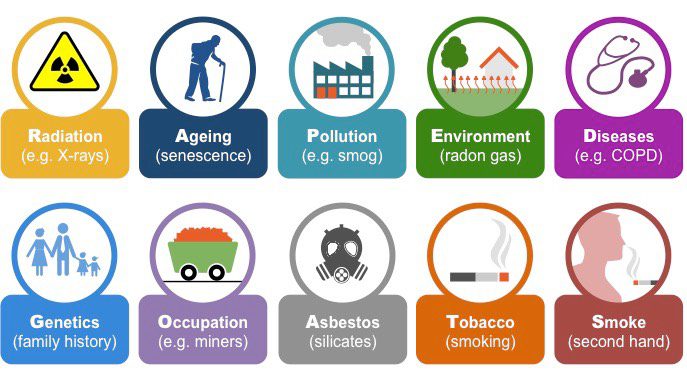
Hence to simply the main causes, we’ve divided them into groups.
- Biological Factors- Aspects such as age, inherited genetic abnormalities, gender, and skin type.
- Environmental Exposure- Natural emitted substance from nature like radon, UV radiation and fine particulate matter.
- Occupational Aspects - Coming in contacts with carcinogens like harmful chemicals, radioactive materials and asbestos.
- Lifestyle Factors - Unhealthy habits, for instance, heavy alcohol Intake, prolonged exposure of UV rays, tobacco consumption and chemicals like nitrites & polyaromatic hydrocarbons through barbecuing food.
Book an appointment with the best oncologists for cancer treatment as well as diagnosis at best cancer Hospital in Delhi.
Cancer Prevention methods
About 30-40% of all cancer is easily preventable. It is true, with changes in your lifestyle and some careful precaution, cancer can be actively prevented. We know it sounds too good to be true, but it is possible. According to the reports from Harvard School of Public Health, it estimates that about 75% of cancer deaths can be prevented with helpful measures taken.
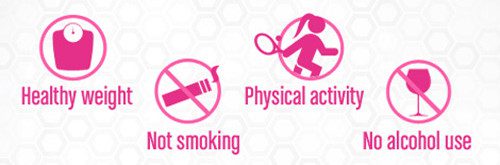
Here are some of the methods that you can use to prevent the development of cancer in your body:
Stop consuming Tobacco
Use of tobacco brings the most prominent risk for developing cancer. Consumption of tobacco kills approximately 6 million people each year. Most of you are unaware of how many damaging chemicals tobacco contains in itself. Tobacco smoke has about 7000 chemicals which have at least 250 that are harmful while the other 50 are known for causing cancer.
Tobacco leads to the causes of many types of cancers such as cancers of the lung, larynx, throat, mouth, kidney, oesophagus, bladder, pancreas, stomach and cervix. The other tobacco, i.e second-hand smoke causes lung cancer. Hence it should be avoided in all forms.
Physical inactivity and Obesity
Lack of exercise and weight gain also contribute to the cause of cancer. There is a link between being obese and overweight that leads to cancers of oesophagus, breast, colorectal, endometrium and kidney. The only solution to getting rid of fat is by doing daily exercise. Addition of a healthy diet and regular physical activity of the body can considerably reduce cancer risk. It’s been said that physical activity leads to a reduced risk of colon cancer. For women as well, regular exercise leads to a reduced risk of breast and reproductive cancers. Exercise itself is a healthy milestone even though you lose weight or not.
Decrease or cease Alcohol Consumption
Alcohol intake is one of the largest contributors of several types of cancer including oral cavity, larynx, pharynx, oesophagus, breast, liver and colorectum. The amount of alcohol you consume, the greater the risk of cancer increases with abundance. The risk turns more deadly when there's a consumption of alcohol and tobacco at the same time. Hence start slow, start by drinking one drink a day to an average.
Maintain a healthy diet
Healthy alternatives are not a major assurance of cancer prevention, it does help to reduce the risk hence it benefits indirectly. Here are some things to add in your habits for maintenance of a healthy diet:
- Eat fruits and Veggies on a larger scale - Your diet must involve vegetables, fruits, and other food that involves plant-based sources such as whole grains and beans.
- Avoid fat-based food - Food rich in oil can lead to obesity which contributes to the risk of many types of cancer in the body. Hence add lighter and less high-calorie food such as refined sugars and animal fat from your food.
- Restrict processed meat - According to the latest report from Cancer Research, it's been proven that eating processed meat in larger amounts can contribute to the risk of developing a certain type of cancer.
Exposure to Radiation
Radiation from either man-made or natural sources leads to an increase in developing leukaemia and other tumours in the body. The risk increases if you are under the exposure of the radiation at a young age or either when the exposure is in abundance. Exposure to radiation causes various types of skin cancer such as basal cell carcinoma (BCC), melanoma and squamous cell carcinoma.
Hence it's vital to seek active prevention from the sun by the use of sunscreen and protective clothing. Try to get medical imaging studies only when it's required. Look out for residential radon that leads to an increase in the risk of lung cancer.
Guard yourself against infections
Many cancers are also attributed via infecting agents such as helicobacter pylori, hepatitis B and C, human papillomavirus, and Epstein-Barr virus. Though there are vaccines available for hepatitis B virus and some types of HPV that can rescue you from the risk of developing liver and cervical types of cancer. Many of these infections are sexually transmitted or through contaminated needles.
Avoid Environmental Chemical Exposure
Contaminants from air, water and soil containing carcinogenic chemicals lead to the development of cancer in varying degrees. Pollution from outdoors is highly malignant to humans as it leads to almost 3.5 million premature deaths and others with lung cancer deaths. Indoor pollution involves households activities like cooking with solid fuels. Especially, cooking with the use of coal fires double the trigger of developing lung cancer mostly in women.
Bladder cancer is one of the sixth most prevalent cancers in the world. Cancer in the bladder develops when the urinary bladder cells start to increase and abnormally grow out of control. The cells that abnormally increase are the cancerous cells that later turn to form a tumour and with time, starts to spread and affects the rest of the body.
The bladder in our body is a hollow organ that is located in the lower pelvis. It contains a muscular and flexible cell wall that helps to stretch and squeeze the accumulated urine out of the body. As our bladder is responsible for storing urine which is then carried by the two known tubes called ureters. To pass the urine to the next body part, the bladder contracts to force out the urine through the tube called urethra.
it occurs mostly in men and others above the age of 65 years. Other additional risk factors can lead to the development of bladder cancer as we’ll discuss further in the article.
There are several treatment options available to cure bone cancer at Oncoplus Hospital, Delhi.
What are the types?
There are different types of it however 90%of them are mostly urothelial carcinomas. Here are other types that also lead to it:
- Urothelial CarcinomaAs we mentioned above, Urothelial carcinoma also known as transitional cell carcinoma (TCC) is one of the most widespread types of it. Urothelial Carcinoma bladder cancer affects the urothelial cells that line the inside of the bladder. It affects the inner lining of the bladder that also lines the other part of the urinary tract.
It leads to the development of tumour in the walls of the urinary tracts which requires checking of the whole tract. It is most common in older adults. Urothelial Carcinoma is often diagnosed quite early when it's possible to cure. However, it can reoccur hence you will have to consistently go for follow-up checkups.
- Adenocarcinoma:Adenocarcinoma is one of the rarest bladder cancers of all. It is a type of cancer that usually initiates in the mucus-producing glandular cells on the body. Mucus-producing cells secrete mucus and these are present in many parts of our body. Adenocarcinoma is known for being invasive hence immediate treatment is recommended.
- Small Cell Carcinoma:Small-cell carcinoma is a rare but highly malignant type of cancer that starts in the nerve-like cells called neuroendocrine cells. It usually develops within the lung but also affects other body parts such as the cervix, gastrointestinal tract and prostate.
Small-cell Carcinoma spread quickly, creating large tumours and growing out in different parts of the body. These tumour treatments include surgery as well as chemotherapy.
- Squamous cell carcinoma:Squamous cell carcinoma is usually caused by the abnormal growth of squamous cells. These cells are characterised as thin, flat cells that look like fish scales when carefully observed under the microscope. It is also one of the invasive cancers hence immediate treatment must be sought.
- Sarcoma:Sarcoma begins in the muscle cells of the bladder though they are very rare types of occurring. If identified at an early stage, chemotherapy is needed along with different types of drugs.
Risk Factor and causes
Risk factors and causes are intended to know the same information that is what leads to the development of bladder cancer. Here are the most known causes and risk factors of it:
Causes ?
There’s still not enough research and information available on what exactly leads to the cause of most bladder cancer among people. However, there are enough risk factors that lead to an understanding of the formation of cancerous cells. There are certain changes in the DNA inside the normal bladder cells that lead to the growth of abnormal cells and turn cancerous.
The DNA is the chemical on our cells that make up our genes. Since we get the genes from our parents, we turn to look similar to them but genes control more than that.
There are two types of genes
- Oncogenes: These genes help the growth, division and living alive of the cells
- Tumor Suppressor genes: These genes help to regulate cell division, repair mistakes in DNA or lead the cell to die at the right time to allow new cells to grow.
Cancer is our body forms when there’s a change in our DNA (gene mutations) that turn on oncogenes or turn off tumour suppressor genes. Other several gene changes lead to the formation of cancerous cells.
Acquired gene mutation
Most causes of bladder cancer develop due to acquired gene mutation that usually happens due to the change in a person's lifestyle than from inheritance. These acquired gene mutations result from the exposure of triggering chemicals or radiation that causes cancer. For example, chemicals in tobacco.
Most chemicals that you are unaware of their harmed result in the bladder somehow. Researchers in the field of acquired gene mutation are aiming to develop tests that can detect it at the early stage by finding the DNA changes.
Inherited gene mutation
As the name suggests, some people develop it due to their inherited genes from their parents. However, it rarely runs in the families or through inherited gene mutation are its biggest cause.
Some of them inherit a reduced ability to break down cancer-causing chemicals hence are more prone and sensitive towards it. For them, tobacco smoke and other Industrial chemicals can cause immense risk.
Book an appointment with the best oncologists for cancer treatment as well as diagnosis at best cancer Hospital in Delhi.
What are the risk factors of Bladder Cancer?
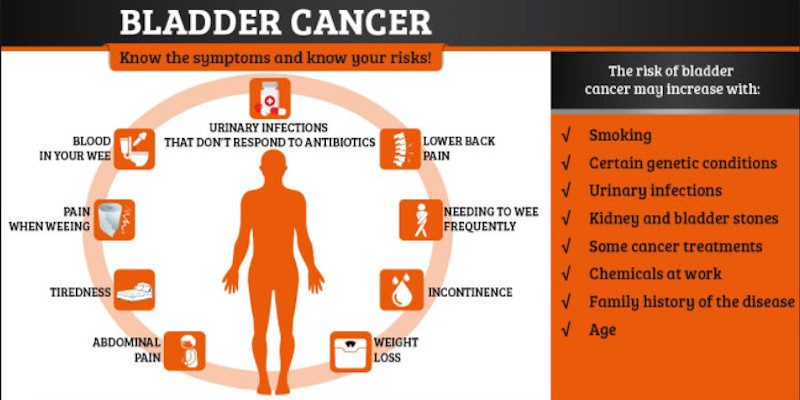
Risk factors are great to help from the prevention of it and act as an early warning. Here are the most common risk factors that you can change to decrease your chances of developing bladder cancer and others which you can’t:

Risk factors that can be changed to reduce the growth
- Smoking:Smoking results in almost the cause of half of the bladder cancer in both male and female as it is one of the most significant risk factors. Smokers are prone to three times more likely to develop it compared to nonsmokers.
- Environmental chemical exposure:Industrial chemicals are highly linked to the cause of bladder cancer. Chemicals such as Aromatic amines that are used in the dye industry are the largest contributors to bladder cancer. Even organic chemicals also possess a higher risk of bladder cancer. Industries that deal with rubber, textiles, paint products, leather, printing carry out the major risk of bladder cancer. Also, professions that include painter, printer, hairdresser, machinist who is exposed to hair dyes and truck drivers that are exposed to diesel fumes are under the major risk of developing bladder cancer.
- Medicines and Herbal Intakes:According to the latest research by the US Food and Drug Administration, diabetic medicines called pioglitazone contribute to bladder cancer. Also, Aristolochic acid in the deity supplements is the leading cause of urothelial cancers, including bladder cancer.
- Presence of Arsenic in Drinking water:Arsenic is a chemical, if present in drinking water can lead to a higher cause of bladder cancer.
- Inadequate Water Consumption:Water consumption is always said to be beneficial. Who knew it helps to reduce the risk of bladder cancer. Yes, it's true, people who drink a lot of water each day possess a lower risk of bladder cancer. It is because they can empty their bladders more often which would also get rid of chemicals remaining in the bladder.
Risk factor that cannot be changed to reduce the Impact
- Race and Ethnic group:The white ethnic group is most likely to develop bladder cancer compared to African American and Hispanic. American Indians and Asians also have lower rates of developing bladder cancer. It mostly affects white ethnicity.
- Gender:It’s been proven that bladder cancer is more common in men than women.
- Chronic Bladder Irritation and Infection:Infection such as urinary, kidney, bladder stones, and bladder catheters that aren’t treated early and have been existing for a long time can cause bladder cancer. Schistosomiasis is a well-known infection that’s caused when a parasitic worm can travel into the bladder and trigger bladder cancer.
- Age Group:Bladder cancer mostly affects the older age group, the elder you are then there’s a higher risk of bladder cancer.
- Pre Existing history with Bladder or Urothelial Cancer:If you have seen or experienced Urothelial or Bladder cancer previously then there’s also a higher risk of developing it again. Even if the first tumour is removed completely, there’s still a risk of developing another bladder cancer.
- Genetics and Family History:People with family members who have undergone bladder cancer have a higher chance of getting it themselves.
Sarcoma is one of the rarest kinds of cancer but also one of the most severe ones. Sarcomas are different from other various types of cancer as it develops in the most different type of tissue. it occurs in the connective tissue of the body. Connective tissue is a type of group of cells that contributes towards connecting and supporting different kinds of tissues in your body. Common connective tissues in our body include blood vessels, fat, muscles, deep skin tissue, nerves, bones, fat and cartilage.
Sarcomas are not only present in the bones, muscles, tendons and other connective tissue, they can develop in other parts of the body as well. it is just a general term used for connective tissue and bone tumour. There are more than 50 different types of sarcoma but they are mainly divided into two common groups based on the location of their occurrence.
There are several treatment options available to cure bone cancer at Oncoplus Hospital, Delhi.
Types
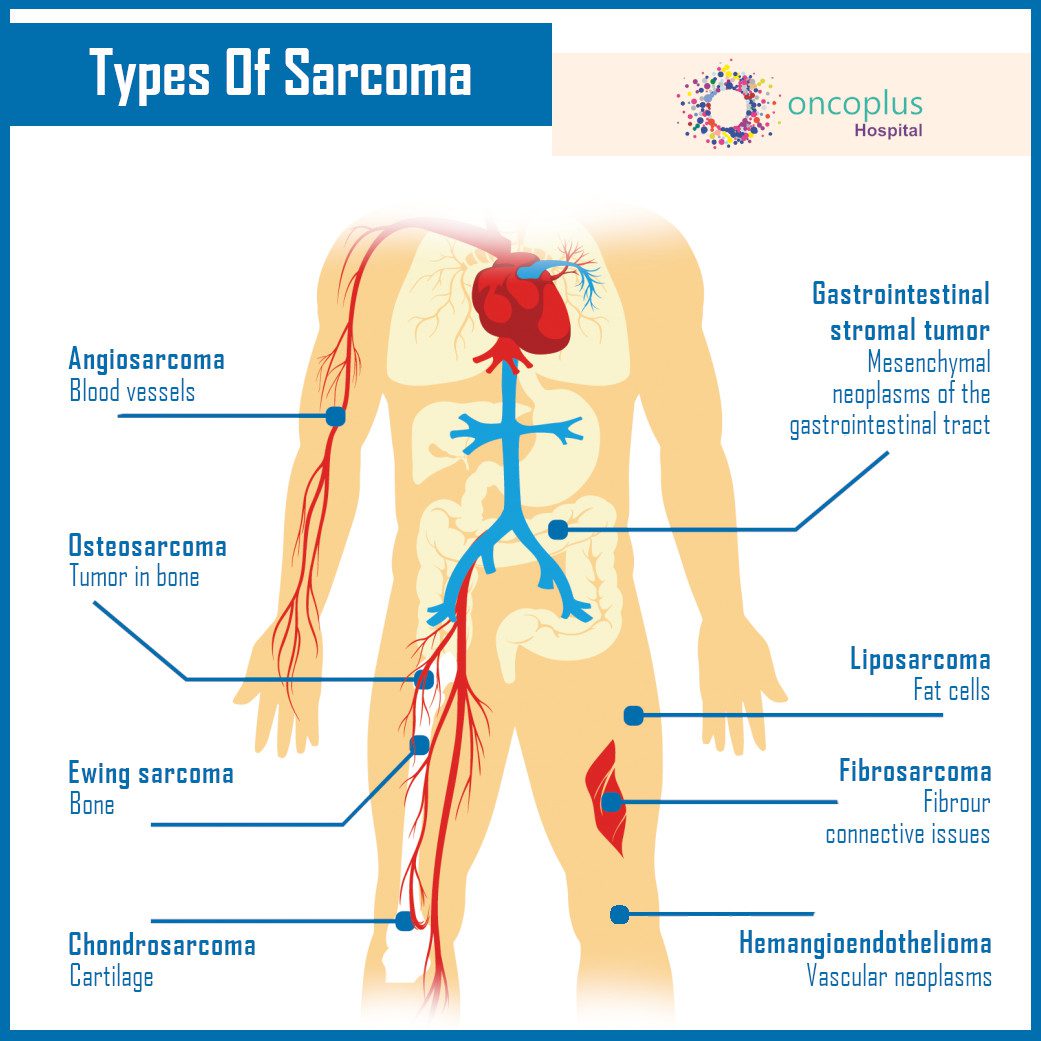
it is differentiated into two main kinds: Soft tissue (Connective tissue) Sarcoma and Osteosarcoma (Bone Sarcoma). Sarcoma is very rare in adults but it does develop in both adults and children. Here is one of the most common types of sarcoma of soft tissue and Osteosarcoma:
- Leiomyosarcoma: Affects smooth muscle in organ walls, often in the abdomen.
- Gastrointestinal stromal tumour: Affects specialized gut neuromuscular cells
- Synovial sarcoma: Stem cells tumour where cancerous tissue develops around the joints
- Liposarcoma: Affects the fat cells in soft tissue. It occurs inside the thigh or in the retroperitoneum.
- Neurofibrosarcoma: Affects the protective lining of the nerves.
- Angiosarcoma: Affects the blood or lymph vessels.
- Rhabdomyosarcoma: Occur in skeletal muscle.
- Vascular sarcoma: Affects blood vessels.
- Fibrosarcomas: Affect fibroblast which is the most common cells of connective tissue
- Myxofibrosarcoma: Affects the connective tissue. Develops around the arms and legs of older adults.
- Mesenchymal: Extremely rare. Affects any part of the body.
- Schwannoma: Affects the tissues that cover the nerves.
- Kaposi’s sarcoma: Affects the skin mostly but can develop elsewhere.
- Osteosarcoma (Sarcoma of the bone)
- Chondrosarcoma: Affects the cartilage.
- Fibrosarcoma: Affects fibrogenic tissue.
- Ewing sarcoma: Affects the bone or soft tissue.
Symptoms
Sarcoma is differentiated into two groups and each shows different symptoms of their development. However, the soft tissue sarcomas are hard to identify as they can develop in any region of the body. However, some helpful signs are still there in its development. Here are some of the most common ones:
- Uncomfortable while breathing
- Presence of noticeable lump which is usually not painful in the beginning.
- Increase in the size of swelling or lump that affects the nerves or muscle
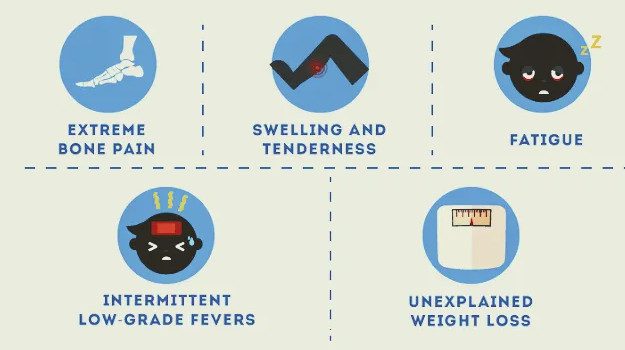
- Symptoms of Bone Sarcoma
Compared to tissue sarcoma, osteosarcoma is pretty visible and it develops quite early. Here are some of the most common symptoms of bone sarcoma:
- Pain in the body around the affected bone
- Excessive soreness and aching in bones especially at night
- Noticeable and painful swelling
- Develop a limit if it occurs in your leg
Osteosarcoma is quite prevalent in youngsters and children than adults. Hence if you experience such symptoms, don’t always mistake them for casual pain or swelling from sports or games. It’s usually bigger than that and if you experience the pain majorly at night then ask for immediate help and support from your doctors.
Book an appointment with the best oncologists for cancer treatment as well as diagnosis at best cancer Hospital in Delhi.
Risk Factor of Sarcoma
The cause of the Sarcoma is still unclear to researchers and scientists working on its development. However, some suggestive risk factors can contribute towards its leading cause.
Here are some noteworthy risk factors that increase the rate of sarcoma occurrence in the human body:
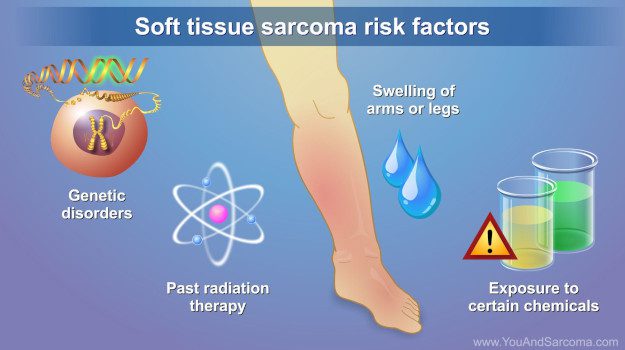
- Inherited Syndromes: Inheritance of any cancerous disease plays a consequential part on the progeny or the next generation. If there are syndromes like familial retinoblastoma and neurofibromatosis type 1 in your family then, unfortunately, you have a higher chance of developing sarcoma.
- Chemical Inhalation or Use: Harmful chemicals also contribute to sarcoma growth. Hence if you live under the exposure of Industrial chemicals then there's a higher risk of developing sarcoma that mainly affects the liver.
- Radiation therapy for cancer: If you’ve undergone radiation treatment for cancer then there’s a risk of developing sarcoma later in life.
- Exposure to Virus: The virus called herpesvirus 8 is also one of the biggest reasons behind the contribution of sarcoma. It causes Kaposi’s sarcoma which is a type that weakens the immune symptoms and makes you more prone to deadly diseases.
- Lymphedema: Lymphedema is a condition where swelling occurs due to the backup of lymph fluid when there's a blockage in the lymphatic system which leads to the risk of developing angiosarcoma (as discussed above).
Diagnosis
The diagnosis of sarcoma is done by various tests and procedures to comprehend the various stages of tumour development. Here are some of the common diagnostic steps for sarcoma identification:
- Physical Exam: Physical exams consist of checking the changes in the body such as the development of the lumps and other noticeable symptoms of sarcoma.
- Biopsy: Biopsy is a procedure that involves inspection of the suspicious tissue for lab testing to determine any growth signs and symptoms.
- Scans and other Imaging Tests: Imaging tests help to recognize the change in the body through X-rays and other tests depending on your situation. Imaging tests like MRI are helpful in identification of connective tissue problems. While other tests like ultrasound, scans and positron emission tomography scan also help to identify sarcoma better.
Biopsy is done by either piercing a needle through the skin or cutting away the tissue during operation depending on its location.
Treatment options of Sarcoma avialable at Oncoplus Hospital,Delhi.
Sarcoma is majorly treated by surgery through removing cancer. However, other treatments are used after or before the surgery. Not all surgery types work on all sarcoma as each one is different based on their situation. Here are some of the most common treatment for sarcoma:
Surgical Operation
Surgery helps to remove the cancerous cells of the sarcoma hence stopping it from spreading to the rest of the body. Sometimes when the condition is severe then there’s a need to amputate the arm or the leg of the body to stop cancer from growing to the other parts of the body. However recently the surgeons are trying to preserve the limp function to the extent that is possible. Surgical operation for sarcoma also results in hurting significant structures in the body such as nerves and organs to remove the sarcoma to the best way possible.
Chemotherapy
It’s one of the most common ways to treat cancerous cells through drug treatment with the help of chemicals to kill the growing cells. Chemotherapy can help with treatment for some types of sarcoma to stop its growth.
Radiation Therapy
Its a type of cancer treatment that involves the use of beams of intense energy to kill the growing cancerous cells in the body. Radiation therapy uses X-rays and also protons and other types of energy to neutralise the growing disease. It’s an external therapy where the radiation comes from the machine and moves around your body.
Immunotherapy
It’s a drug treatment that works by strengthening the immune system enough to fight out the cancerous cells.
Ablation Therapy
Ablation therapy involves destroying cancerous cells by the use of electricity to heat the cells, or use extreme cold liquid to freeze the cells. Even high-frequency ultrasound waves are also used to destroy the damaging cells to remove the growing tumour.
Depression In Cancer Patients
It is difficult to cope up with after effects of cancer for any patient. Some patients with cancer may experience depression before, during or some after the cancer treatment. Depression is a type of disorder which is associated with the patient’s mood and can affect the patients and their families to greater extent.
Hence, identifying and managing depression are also considered as an important parts of cancer treatment.
There are several treatment options available to cure bone cancer at Oncoplus Hospital, Delhi.
IMPORTANCE OF IDENTIFYING DEPRESSION IN CANCER PATIENTS
The cancer patients typically experience sadness and a sense of grief for many different reasons, such as changes in life plans, changes in self-esteem, bodily changes, repulsion in social roles, financial challenges and survival issues.
A cancer patient may show the symptoms of depression right after diagnosis or anytime during or after treatment. These symptoms may range from mild to severe. Severe depression may affect a patient's relationships as well as day-to-day life. This is termed as major depressive disorder.
Depression is a serious illness that can have a major impact on a cancer patient’s quality of life. As per a few studies,15-20% patients experience some sort of depression during or after their treatment. And depression during the treatment may impact the quality of treatment.
As Patient experience these changes and challenges, it is important to monitor the feelings the patient must be experiencing to ensure that patient’s medical care is not impacted due to these issues.
Book an appointment with the best oncologists for cancer treatment as well as diagnosis at best cancer Hospital in Delhi.
HOW TO DIFFERENTIATE DEPRESSION FROM NORMAL SADNESS
Depression is much more than the normal feelings of sadness. A patient is considered to be going with depression when he/she experiences one or more of the following symptoms for more than 2 weeks:
- Feeling upset most of the time
- Feeling of worthlessness
- Feeling of self-guilt without any reason
- Decreased ability to concentrate
- Changes in eating habits and sleeping patterns
- Lack of pleasure and interest in the activities he/she used to enjoy earlier
- Feeling of nervousness
- Delayed physical and mental responses
- Tiredness for no reason
- Suicidal thoughts
DETAILED SIGNS AND SYMPTOMS OF DEPRESSION
If patient suffers from any of these issues for more than 2 weeks, in addition if the symptoms are severe enough to cause noticeable problems in day-to-day activities of the patient’s life, it is really important to speak with the patient’s treating doctor.
Signs and symptoms a cancer patient may experience have been classified into the following categories:
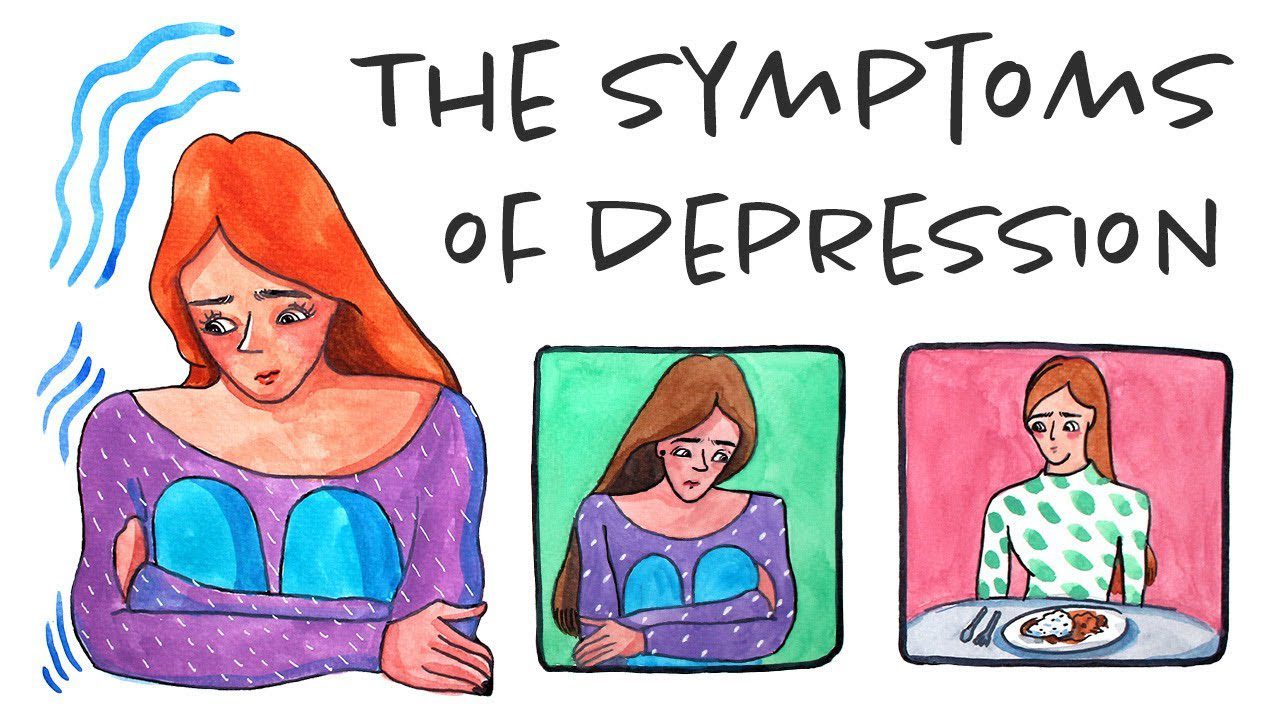
- SYMPTOMS ASSOCIATED WITH MOOD
- Feeling low
- Feeling worthless
- Feeling upset most of the time
- Feeling of hopelessness
- Feeling of irritability
- Feeling of numbness
- BEHAVIOURAL SYMPTOMS
- Lack of interest in activities the patient used to enjoy earlier
- Frequent crying
- Social withdrawal or withdrawal from friends or family
- Lack of motivation to do daily activities
- COGNITIVE or MEMORY RELATED SYMTPOMS
- Difficulty in ability to focus
- Finding it difficult to make decisions
- Problems related to memory
- Negative thoughts or self-destructive behaviour in extreme situations like thoughts of hurting patient’s ownself.
- PHYSICAL SYMPTOMS
- Tiredness for no reason
- Loss of appetite
- Insomnia-sleeping disorder when a person is not able to fall asleep and stay asleep.
- Hypersomnia, a condition in which a person feels too sleepy most of the time.
- Sexual dysfunctions including erectile dysfunction in males or lower sexual desire in both genders.
- FEAR OF TREATMENT RELATED SIDE EFFECTS
It is normal to fear treatment-related side effects as a patient prepares to start the cancer treatment. “Our team of Oncologists at Oncoplus Hospital, Delhi encourage our patients to discuss with us about the possible side effects and how to manage them instead of keeping a fear. Our patient’s health care team is focused on preventing and controlling side effects.”Some of the most common fears about side effects of cancer treatment include the following:- Loss of self-control
- Not knowing what to expect.
- Physical discomfort including pain, nausea, or tiredness.
- Trouble in doing daily activities, such as going to work, completing household work and attending social events.
- Changes in appearance, such as scars and hair loss.
- Sexual problems
- Fertility problems means difficulty becoming pregnant after treatment.
- Anxiety about the process involved in the whole treatment.
RISK FACTORS FOR DEPRESSION
The following risk factors make cancer patients more likely to have depression. These include:

- Previous history of depression or anxiety
- Any history of depression or anxiety in family of the patient
- Lack of emotional support from friends or family
- Financial challenges
SCREENING FOR DEPRESSION
A few symptoms listed below may be as a result of the side effects of cancer or cancer treatment. Hence it is important to find the causative factor and confirm the diagnosis for a better plan of treatment.
Screenings should happen at the time of a cancer diagnosis as well as during and after treatment.
Treatment for depression depends on patient’s symptoms and how often patient has those symptoms.
Oncoplus Hospital, Delhi encourage our patients to discuss the following with the doctor:
- Your feelings
- Specific concerns which you do not want to share with anyone in your family
- Physical symptoms you are experiencing
- Effects on your daily life if any
TREATMENT OPTIONS FOR DEPRESSION
People with depression usually get benefits from specialized treatments. For patients with moderate to severe depression, a mix of psychological treatment and medication is often the most effective treatment approach. While for some patients with mild depression, interacting with a mental health professional may be enough to relieve depressive symptoms.
However, common treatment options that would definitely help any patient to cope up with the any sort of depression are discussed below:
- Psychological treatment: Mental health professionals including licensed counsellors, psychologists, and psychiatrists can provide patients with tools to improve their coping skills, develop a support system, and reshape negative thoughts.Certain effective options include individual therapy, couples or family therapy, and group therapy. In addition, psychiatrists can prescribe medications too.Psychotherapy or counselling can occur one-on-one or in a group setting. Some common evidence-based forms of treatment that are effective for depression are cognitive behavioural therapy, acceptance and commitment therapy and interpersonal therapy.
- Exercise: Exercise can also help in treating depression. Most studies show that exercising at least three times a week is good and ideal to cope up with depression. Patient should consult his/her doctor before engaging in any physical exercise.
- Follow routines: A patient during or after the cancer treatment may experience negative thoughts so following a routine can help patient maintain a feeling of accomplishment and a sense of control. A routine can also help push a person to engage in activities he/she would not necessarily be motivated to complete.
- Medications: Different types of antidepressant medications are available in market. The doctor defines the plan of treatment and select the most appropriate antidepressant based on the following factors:
- Patient’s requirements
- Potential side effects
- Other medications patient is already taking
- Patient’s medical history
Doctor should be informed about all the medications and supplements the patient is taking because some medicines may interfere with types of antidepressants.
Some patients may have improvement within 2 weeks after starting an antidepressant medication. However, it often takes up to 6 to 8 weeks for the medication to show its full effectiveness. Medication is particularly effective for improving mood related issues and other physical symptoms associated with major depressive disorder.
Psychological treatment may be helpful for managing negative thoughts and low self-esteem and finding better coping strategies.
COPING WITH PATIENT’S FEARS
Patients can often manage side effects with medication. And many side effects can be prevented before the treatment starts. It is advised to talk with the patient’s health care team about how to manage the common side effects for each treatment.

The following tips can help patient cope up with the fear of treatment related side effects:
- Ask the doctor for a list of symptoms that may require immediate care.
- Stay involved in Patient’s care and express Patient’s thoughts in the treatment decision-making process.
- And ask the doctor about visiting a fertility specialist before treatment begins.
- Stay focused on the present. Overthinking on things that may or may not happen will only worsen negative feelings.
- Try relaxing techniques, such as yoga, meditation, music etc.
CONSIDER TALKING TO OTHERS
Talk with Patient’s family and loved ones about Patient’s expectations and concerns. Their support can ease Patient’s fears about experiencing side effects from treatment. Patient might also talk with Patient’s employer about what Patient will be going through. Discuss adjusting Patient’s schedule while Patient during treatment.
HOW CAREGIVERS CAN HELP
If Patient are a caregiver, family member or friend to someone suffering from depression, there are many ways patient can help patient’s loved one. Encourage him or her to seek treatment for depression.
Also, provide a safe place for patient’s loved one to talk to patient about what he or she is experiencing and offer non-judgmental feedback. Show Patient’s loved one that Patient truly care about his or her physical and emotional well-being.
IMMUNE SYSTEM RECOVERY
Chemotherapy destroys the cancer cells because cancer cells cannot repair themselves very well. Chemotherapy medicines target rapidly dividing cells, which are cancer cells but also affect many of the normal cells in the patient’s blood, bone marrow, mouth, intestinal tract, nose, nails, vagina, and hair.
Patients with cancer often have a weakened immune system, putting them at risk for viral and bacterial infections.
“When the cancer itself or cancer treatment, like chemotherapy or radiation therapy, affects the bone marrow, the patient’s immune system gets weakened. “
This is because, blood cells are made in the bone marrow and when cancer or its treatment affects bone marrow, the number of red blood cells, white blood cells, and platelets that are produced by bone marrow becomes lower than normal. Typically, the greatest impact is on white blood cells, which are termed as our body’s defence system. When blood cell counts are low, patient’s body is more vulnerable to infection that means his/her body cannot fight off an infection very well.
After a certain period after chemotherapy, most patients assume their immune system has retrieved to normal. But research suggests that the patient’s immune system can be compromised for up to nine months after receiving chemotherapy, leaving patient prone to infections.
As per a few studies most of the patients recovers within nine months, if they do not smoke. That is the reason Oncologists and team at Oncoplus Hospital, Delhi always encourage our patients to quit smoking.
There are several treatment options available to cure bone cancer at Oncoplus Hospital, Delhi.
HOW DOES CHEMOTHERAPY AFFECT PATIENT’S IMMUNE SYSTEM?
Generally, chemotherapy medications can have an impact on immune system of the patient while or after receiving the treatment. How does the treatment affect the immune system depends on many factors including:
- Dosage of the chemo medicines
- Combination of medicines
- Longevity of the treatment
- Patient’s age and overall health
- other medical conditions if patient has
Book an appointment with the best oncologists for cancer treatment as well as diagnosis at best cancer Hospital in Delhi.
WHAT CAN BE DONE ABOUT CHEMOTHERAPY’S EFFECTS ON THE IMMUNE SYSTEM?
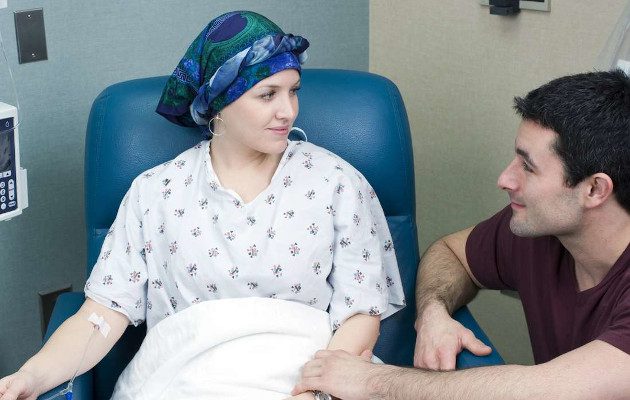
- While receiving chemotherapy treatment, the oncologist or cancer specialist should review the medications patient is having and should inform the patient about the potential effects on immune system.
- Chemotherapy brings a few side effects like fever, vomiting, nausea, loss of appetite, fatigue and a weakened immune system. There are certain ways that a patient can follow before, during, and after chemotherapy to take care of his/her immune system, such as getting enough rest, eating a healthy diet, exercising, and reducing stress as much as possible.
- Before the start of chemotherapy, a complete blood count (CBC) of patient can be tested to check the baseline levels of different blood cells, including white blood cells. A series of blood test can be done periodically throughout the treatment to keep an eye on the white blood cells count.
- A patient can get an infection with a weak immune system that can worsen quickly and even turn life-threatening in some cases. In case of fever higher than 100 a patient should seek urgent medical attention.
- Immunotherapy is a treatment that works by boosting the immune system to response to help the patient’s body find and attack more cancer cells. However, immunotherapy does not necessarily boost the patient’s natural defence mechanism the way a normal healthy human has because a patient tends to take these newer immunotherapy drugs when other treatment options are failed.
PRECUATIONS TO BE TAKEN BY PATIENTS TO COPE UP WITH A WEAK IMMUNE SYSTEM

During and even after cancer treatment, patient’s body might temporarily be unable to fight bacteria, viruses, fungi, and other germs. Hence, it is really important to take certain steps to protect oneself against infection when a patient’s immune system is weakened by the cancer treatments. In addition, these steps become absolutely critical if it is confirmed that the white blood cells count is low.
Below are some of the precautionary measures most often recommended for patients whose immune system is weakened by the ongoing cancer treatments. These measures cannot eliminate the infection completely but can help lower the risk of infection.
1. Sound Sleep
A 7 hours of sleep a night is really important for the patients after chemotherapy. It is not bad to get less sometimes, but getting not enough sleep most nights, it could strain the immune system. And as a result, patient is more likely to get sick from colds, flu, and more serious infections. Also, the recovery is slower as compared with a healthy person.
2. Balanced and healthy diet
Eating a healthy diet including a wide range of fruits, vegetables, and protein is important. The objective is to get different nutrients to support the immune system. Patient can try to have small amounts of foods which is good for his/her system even if he/she is not that hungry.
Patient should follow smart eating which means knowing what to avoid, for example, supplements that claim “immune support” on the label can be avoided as these could affect the treatment nor they are likely to boost the health.
3. Exercises
For many patients with cancer, exercise is key for a healthy immune system. We advise to consult your treating doctor on the same. One should keep in mind when to skip exercises program, for example;
- In case of extreme fatigue
- In case of anaemia /Low haemoglobin
- In case of poor muscle coordination
- In case of low white blood cells count
4. Stress management
Emotional stress is common in cancer patients which is obviously not good for the health. This may flood the patient’s body with chemicals that can affect his/her immune system, digestive system and more. You can read our blog on how to manage the stress.
5. Personal hygiene
- It is advised to wash your hands frequently throughout the day with soap and warm water especially before cooking or eating, before touching eyes, face, or nose, after using the bathroom, after coughing; and after being in a public place or at a public gathering.
- In absence of soap and water, hand sanitizer can be used.
- It is recommended to use an extra-soft toothbrush to brush the teeth. A gentle mouthwash can be used by the patients after consulting it with their treating doctor.
- Keep the area clean and dry if patient has a chemotherapy port.
- Patient should clean himself/herself well after going to the bathroom.
- A warm shower, or sponge bath is recommended every day.
6. Avoiding cuts or skin breaks
- Do not cut, bite, or tear the nail cuticles.
- Avoid manicure and pedicure.
- Use knives, scissors, or needles carefully.
- Wear protective gloves for activities like cleaning or washing dishes or gardening or chopping vegetables.
- Do not touch or scratch pimples, rashes, or bug bites.
- Use insect repellents that do not contain harsh chemical ingredients.
- Use a gentle body lotion to moisturize the skin daily to keep it supple and prevent cracking.
- Wear shoes inside and outside the house.
- Apply antibiotic ointment to any insect bites, torn cuticles, or cuts. Cover cuts with a band-aid and report any signs of infection to the doctor.
7. Avoiding germs
- Avoid large crowded places like concerts, cinema halls, school events, airports as much as possible.
- Stay away from people suffering with contagious illness such as cold, flu, virus, or any sickness the cancer patient is prone to catch.
- It is advised to stay away from people who have recently been vaccinated against chicken pox, smallpox, polio, measles-mumps-rubella, or shingles because these vaccines are made from live viruses.
- While gardening or cleaning, or helping kids with the bathroom/diapering, wear protective gloves.
- Wear protective gloves while picking up the pets, throwing the garbage or collecting trash.
- Clean frequently touched items at home and work such as door handles, phone receivers, keyboards, and TV remotes.
- Avoid going into pools, hot tubs, water parks, lakes, or ponds.
- Do not share towels, drinking glasses, or utensils with others in house
8. Practicing food safety
- One should wash his/her hands well after handling and preparing foods.
- Foods or drink juices such as milk, cheese, yogurt, and fruit juice that have not been pasteurized should not be consumed.
- Cook meat thoroughly.
- Eat vegetables after cooking rather than eating them raw.
- Dispose the outdated or stale food.
- Avoid nuts and raw sprouts.