Telehealth is the remotely using communication technologies that has rapidly grown in popularity in recent years. The advancement in technology has transformed the healthcare industry into telehealth, an innovative way of delivering care to patients. Telehealth has become a game-changer for cancer patients, saving them time and money on their journey towards recovery. According to in-person visits, it has many advantages, particularly for patients suffering from cancer. One of the most significant benefits of telehealth is that it allows patients to access healthcare services from the comfort of their own homes. Oncoplus Hospital provides the best cancer treatment in Delhi to patients who are suffering from cancer. At the time of COVID-19, telehealth services provided by hospitals or clinics protected the cancer patients and reduced the risk of exposure to this infectious disease, i.e., COVID-19. In this blog, you will read about how telehealth saves time and money for cancer patients.
Benefits of Telehealth Service to Cancer Patients
The treatment for cancer often involves various medical procedures such as chemotherapy, radiation therapy, and surgery. And in this procedure, patients have to suffer both physically and emotionally. The telehealth services offer several benefits to cancer patients, which are as follows:
- Cost-effective Treatment
Cancer treatments are both expensive and time-consuming. In this treatment, patients have to travel long distances to meet with their oncologists, undergo tests, and receive treatment. The whole procedure causes a financial burden on the patients as well as their families, as they have to pay for transportation and other associated expenses. This convenience also protects cancer patients from getting infections, as they are at a higher risk. Telehealth service also allows patients to receive timely care as they can schedule appointments with their oncologists at their convenience without having to wait for an available slot. But now, telehealth has emerged as a cost-effective alternative to traditional cancer care, enabling patients to access care from the comfort of their homes.
- Saves time for the patient
Telehealth also saves time for the cancer patients, as they do not have to visit the hospital frequently. Cancer patients often have to visit the hospital several times a week for chemotherapy or radiation therapy, which can be time-consuming and exhausting. However, with telehealth, patients can receive treatment at home, eliminating the need for frequent hospital visits. This not only saves time but also reduces the risk of exposure to infections, especially for patients with weak immune systems.
- Reduced healthcare costs
Telehealth also helps reduce the patient’s healthcare costs. Because the patients who receive telehealth services do not have to visit the hospital again and again, this reduces the need for travel and its associated cost. Remote monitoring also helps reduce the need for hospitalization, which can be costly for the patients and their families. This also reduces the need for costly emergency room visits and unmanaged symptoms or medication-related issues.
- Privacy
With the help of telehealth, cancer patients can access care without compromising their privacy. As you all know, cancer treatment is a sensitive issue, and the patients might not be comfortable discussing their condition in public. Through telehealth, patients can have private consultations with the oncologists without worrying about anyone hearing about their conversations.
- Patients in rural areas can access specialized care.
Cancer patients who are in rural areas can easily access specialist care from oncologists, regardless of their location. Earlier, patients in rural areas could not access specialized cancer care because most oncologists were in urban areas. In this situation, telehealth services are a great help to cancer patients located in rural areas. With the help of telehealth services, cancer patients receive the best possible care, irrespective of where they live.
Telehealth is a cost-effective and convenient alternative for cancer patients. It saves the time and money of the patients and reduces the need for them to travel. This also gives patients access to specialist care, regardless of their location, and allows them to receive care without compromising their privacy. Oncoplus Hospital is a top-notch hospital that provides the best hospital in Delhi for cancer. With the adoption of telehealth services, it is expected that there will be improvements in the quality of life of cancer patients.
Gallbladder cancer is a rare form of cancer that develops in the gallbladder, a small organ located just beneath the liver. When carcinogenic or malignant cells start to proliferate abnormally and uncontrollably in the gallbladder, gallbladder cancer develops. The early stages of gallbladder cancer often do not cause any symptoms, making it difficult to diagnose. However, as the cancer progresses, it can cause a variety of symptoms that can be indicative of the disease.
It is commonly known that those who have already received treatment fear developing gallbladder cancer. Even after completing cancer therapy and emerging as a survivor, a cancer recurrence is possible. In this blog, we will discuss the 10 advanced-stage symptoms of gallbladder cancer that you should be aware of-
- Abdominal pain: As the cancer grows, it can cause pain in the upper right side of the abdomen. This pain can be dull or sharp and may radiate to the back or shoulder.
- Jaundice: The cancer can block the bile ducts, causing jaundice, a yellowing of the skin and whites of the eyes.
- Nausea and vomiting: The cancer can also cause nausea and vomiting, often as a result of the blockage of the bile ducts.
- Loss of appetite: As the cancer progresses, it can cause a loss of appetite and weight loss.
- Fatigue: Cancer can cause fatigue, a feeling of exhaustion and weakness that is not relieved by rest.
- Itching: Cancer-related jaundice can cause itching all over the body.
- Abdominal swelling: As the cancer grows, it can cause abdominal swelling due to the build-up of fluid in the abdomen.
- Blood clots: Gallbladder cancer can cause blood clots, which can be life-threatening if they travel to the lungs.
- Bowel obstruction: The cancer can also cause a bowel obstruction, which can cause constipation, abdominal pain and vomiting.
- Metastasis: Advanced-stage gallbladder cancer can also spread to other parts of the body, such as the liver, lungs, bones and brain. This can cause symptoms such as bone pain, headaches and difficulty breathing.
It’s important to note that these symptoms can also be caused by other conditions, so it’s essential to see a doctor if you are experiencing any of them. A diagnosis of gallbladder cancer is made through a combination of tests, including an ultrasound, CT scan and biopsy.
Gallbladder cancer risk factors
The exact causes of gallbladder cancer are not well understood, but certain risk factors have been identified. These include-
Age: The risk of gallbladder cancer increases with age, with most cases occurring in people over the age of 60.
Gender: The prevalence of gallbladder cancer is higher in women than in males.
Race: Gallbladder cancer is more common in people of Native American and Hispanic descent.
Gallstones: Having a history of gallstones increases the risk of gallbladder cancer.
Obesity: Being overweight or obese can raise the risk of gallbladder cancer.
Chronic inflammation of gallbladder: Chronic inflammation of the gallbladder (cholecystitis) can increase gallbladder cancer risk.
Family history: Having a family history of gallbladder cancer increases the risk of developing the disease.
It is also to note that exposure to certain chemicals, such as petrochemical, pesticides and a specific type of hair dyes, can also increase the risk of gallbladder cancer.
Treatment of Gallbladder cancer
Gallbladder cancer treatment typically involves surgery to remove the gallbladder and surrounding tissue. In some cases, lymph nodes in the area may also be removed. In the advanced stages of the disease, chemotherapy or radiation therapy may be used in addition to surgery. The treatment plan will be determined by the stage and progression of cancer, as well as the patient’s overall health.
Early diagnosis is key to the successful treatment of gallbladder cancer. It’s important to be aware of the symptoms of the disease and to see a doctor if you are experiencing any of them. If you have a family history of gallbladder cancer or other risk factors for the disease, such as gallstones or chronic inflammation of the gallbladder, it’s essential to talk to your doctor about regular screenings.
Prevention of Gallbladder cancer
There are a few ways to reduce the risk factors of gallbladder cancer:
Maintaining a healthy diet and weight: Obesity is a risk factor for gallbladder cancer, so maintaining a healthy diet and diet can help reduce the risk.
Avoiding gallstones: Gallstones can cause inflammation in the gallbladder, which can increase the risk of cancer. Avoiding foods that are high in fat or cholesterol can help prevent gallstones.
Avoiding smoking and excessive alcohol consumption: Both smoking and excessive alcohol consumption have been linked to an increased risk of gallbladder cancer.
Treating gallbladder disease: If you have gallbladder disease or gallstones, it’s essential to have them treated to reduce cancer risk.
Regular checkups: Regular checkups with your doctor can help detect any early signs of gallbladder cancer and increase the chances of successful treatment if the cancer is found.
It’s also important to note that certain inherited conditions, such as Lynch Syndrome, increase the risk of gallbladder cancer.
In conclusion, Gallbladder cancer is a rare but serious disease that can cause a variety of symptoms as it progresses. The most common symptoms of advanced-stage gallbladder cancer are abdominal pain, jaundice, nausea, vomiting, loss of appetite, fatigue, itching, abdominal swelling, blood clots, bowel obstruction, and metastasis. It’s essential to be aware of these symptoms and to see a doctor if you are experiencing any of them. Early diagnosis and treatment can improve the prognosis of gallbladder cancer. So if you experience any of the symptoms, you should consult with the best oncologist in Delhi, India.
Sarcomas are uncommon tumours that often arise from bone or muscle. Bone sarcomas and soft tissue sarcomas are the two main forms of sarcomas. These are a group of aggressive cancers that affect the bones and surrounding soft tissues. Resection, or surgical removal, is the primary treatment for these sarcomas, but it is important to monitor the patients after the resection of the bones to check for any signs of recurrence or new malignancies. It has been found in many cases that sarcomas reoccur in patients’ bodies. So, surveillance strategies for sarcomas are very crucial for the patients, but they depend on the tumour-specific biology, tumour location, treatment, and also on the pattern of recurrence of the tumour after STS resection. Oncoplus Hospital is the leading hospital and provides the best sarcoma treatment in Delhi. In this blog, we will learn the different surveillance strategies following resection of bone and soft tissue sarcomas.
Different surveillance strategies follow resection of bone and soft tissue sarcomas.
- Imaging Studies
Imaging studies, such as X-rays, PET/CT scans, and MRI scans, are the primary means of surveillance following resection of bone and soft tissue sarcomas. This follow-up testing helps in detecting local and distant recurrences of STS. It detects the spread of the cancer to other parts of the body. These studies allow doctors to monitor the affected area for any signs of recurrent disease or new malignancies. X-rays can detect bone abnormalities and changes, while CT scans and MRI scans help detect changes in the surrounding soft tissue. If there are any suspicious areas detected during imaging tests, a biopsy may be performed to obtain a sample of the tissue for further testing. This will help determine whether the cancer has returned or if the suspicious area is due to another condition.
- Physical Examination
Physical examination is also a crucial component of post-operative surveillance for patients with bone and soft tissue sarcomas. Postoperative surveillance contains the history and physical examination of the patients every 3 to 6 months for 2 to 3 years, and afterwards it is performed annually. Doctors will typically perform a thorough examination of the affected area, checking for any signs of swelling, redness, or tenderness. This examination can also help detect changes in the affected limb or joint, which may indicate the presence of recurrent disease.
- Blood Tests
Blood tests can also be used to monitor patients following resection of bone and soft tissue sarcomas. These tests can detect markers of disease progression, such as elevated levels of cancer markers. It measures the levels of specific substances in the blood that are associated with different types of cancer. If, in this case, cancer markers are detected, it is a sign of the presence of recurrent disease, and further tests may be needed to confirm the diagnosis.
- Visits to the Clinic for Follow-up
Clinical follow-up visits are an essential component of post-operative surveillance for patients with bone and soft tissue sarcomas. During these visits, patients will meet with their doctor to discuss their progress and receive a physical examination. The doctor may also request imaging studies or blood tests in order to monitor the patient’s condition.
In conclusion, surveillance strategies following resection of bone and soft tissue sarcomas are crucial to the overall treatment plan as they help improve the patient’s health. The combination of imaging studies, physical examination, blood tests, and clinical follow-up visits can help detect any signs of recurrent disease or new malignancies, allowing for early intervention and improved patient outcomes. It is important for patients to adhere to their recommended surveillance schedule and to report any changes or concerns to their doctor promptly. You can visit Oncoplus Hospital, the best cancer hospital in Delhi, for the treatment of bone and soft tissue sarcomas. Their oncologist has years of experience and uses advanced technology to treat cancer patients to provide the best treatment plan possible.
World Cancer Day is marked on February 4th, and this initiative was taken by the Union for International Cancer Control (UICC) to raise awareness about cancer globally. The primary goal of this day is to reduce the number of deaths caused by cancer and educate people about its prevention, detection, and treatment. On this day, individuals from both local and international organizations unite in the fight against the cancer epidemic and the need for improved screening, diagnostic equipment, and advanced cancer treatment options. Numerous events are held and campaigns are run on World Cancer Day to show support for the people who are suffering from cancer. In this blog, you will learn about the importance of World Cancer Day.
Theme of World Cancer Day 2023
The theme of World Cancer Day 2023 is “Close the Care Gaps,” which is the continuation of the theme of 2022 and will last until 2024. This is a three-year campaign with particular goals for every year. In this multi-year effort, it was expected that there would be greater visibility, involvement, and opportunity to make a difference.
The theme of World Cancer Day 2022 is “Recognize the Power of working together.”
The aim of the theme is that every person, small or large, has the power to make a difference. However, by working together, the health community can significantly lessen the impact of cancer on the world.
The theme of World Cancer Day 2023 is “Unite the Voices to Make an Appeal.”
The aim of the theme of World Cancer Day 2023 is to focus on forming new and stronger partnerships in order to bring together the voices of like-minded individuals and make a powerful appeal.
The goal of the theme for World Cancer Day 2024 is to challenge those in power by working together.
The focus of the theme of World Cancer Day 2024 is to draw attention to higher authorities in relation to cancer prioritization, come up with innovative ways to deal with unfairness, and distribute funds to build a just and cancer-free future.
The History of World Cancer Day
World Cancer Day is a global observance that takes place on February 4th each year. The day aims to raise awareness of cancer and educate people about its prevention, detection, and treatment. The first World Cancer Day was held on February 4, 2000, at the World Cancer Summit against Cancer in Paris. The document, named the “Charter of Paris against Cancer,” was signed to promote advanced research, fight disease, and enhance patient care.
World Cancer Day is an initiative of the Union for International Cancer Control (UICC), a leading international organization dedicated to the global control of cancer. The UICC works with a broad range of partners to reduce the global impact of cancer, including government agencies, international organizations, and cancer-related organizations.
The theme for World Cancer Day changes each year, and the day is marked by events and activities all over the world. In short, World Cancer Day is an important day in the fight against cancer, and it provides an opportunity for people all over the world to unite in the fight against this devastating disease.
The importance of World Cancer Day
Cancer is one of the leading causes of death worldwide, affecting millions of people each year. It is estimated that by 2030, the number of new cancer cases will increase. This highlights the need for increased efforts to prevent, detect, and treat cancer, especially in low- and middle-income countries. Hence, World Cancer Day helps to spread the message about the importance of cancer prevention, early detection, and access to quality treatment. The day encourages people to learn about the disease and to take the necessary steps to reduce their risk of developing cancer. This includes lifestyle changes such as maintaining a healthy diet and exercise routine, avoiding tobacco and excessive alcohol consumption, and getting regular check-ups.
In addition to raising awareness, World Cancer Day also serves as a day to honor those who have lost their lives due to cancer and to support those who are currently fighting against this disease.
In conclusion, World Cancer Day is a day of significance and purpose, serving as a reminder of the impact cancer has on individuals and communities around the world. By raising awareness and taking action, we can work towards a future where cancer is no longer a threat to human life. Oncoplus Hospital is well-known for providing the best cancer treatment in Delhi for patients who are fighting cancer. Let us all strive to make a difference, in our own small way, in the fight against cancer.
Common Misconceptions about Breast Cancer:
In cancer disease, there is a group of disorders in the body in which the body’s healthy cells are invaded and abnormal cells grow up. And in breast cancer, there is a collection of cancer cells in the breast tissue that can later spread to other parts of the body. Breast cancer develops when cells grow incorrectly and new cells form in the body that are not needed. If this happens, then it creates a tissue mass known as a lump or tumor. When cancer cells spread to other parts of the body, they damage other organs, and this is known as metastasis. Many people talk about breast cancer, but that is not always based on facts. In this blog, you will read about the common misconceptions about breast cancer.
7 Myths about Breast Cancer:
- Myth: If you don’t have a family history of breast cancer, then you are not at risk.
Fact: Generally, 5–10% of breast cancers that occur in women are hereditary, in which abnormal changes in some genes are passed from parent to child. But most of the women who are diagnosed with breast cancer do not have any close family members who suffer from this disease. So, regardless of the family’s medical history, the major risk factors for breast cancer are age, gender, environment, and lifestyle.
- Myth: Wearing a bra can increase the risk of cancer.
Fact: There is no evidence showing that wearing a bra can increase the risk of breast cancer. But according to the theory, wearing a bra, particularly one with underwire, will prevent the flow of lymph fluid out of the breast, and this will build up the poisonous compounds in the tissue.
- Myth: Mammograms are unsafe and lead to breast cancer.
Fact: A mammogram of the breast helps in detecting the early stage of breast cancer. The radiations produced by the process are not harmful in this technology. Breast compression during a mammogram does not cause cancer and does not spread throughout the body.
- Myth: Breast cancer occurs in older women and middle-aged women.
Fact: Breast cancer can also occur in younger women as well as men. The risk factors for breast cancer are gender and age, but breast cancer affects 1 in every 25 women who are under the age of 40. Breast cancer can affect women of all ages, and if any woman develops symptoms of breast cancer, she should monitor her breasts and report any unusual changes in her body to her doctor.
- Myth: Carrying a phone in your bra can result in cancer.
Fact: Thereis no evidence that suggests that carrying a phone can lead to cancer. Breast cancer generally occurs in women because of lifestyle and environmental factors. And if you want to reduce the risk of cancer, you should maintain a healthy weight, engage in regular exercise, and also not drink alcohol.
- Myth: If there is a lump in the breast, then it means there is breast cancer.
Fact: Normally, very fewbreast lumps turn into cancer. But if you find any kind of change in the breast tissue, or if there is a persistent lump in your breast, you must consult your doctor for an examination. For the betterment of your health, you should schedule screening mammograms and maintain proper communication with your doctor.
- Myth: Consuming too much sugar leads to cancer.
Fact: There is no proof that consuming too much sugar contributes to cancer. There is a widespread misconception that sugar can feed cancer and increase its growth. Whether the cells are healthy or cancerous, they use the glucose in the blood. This is a fact: cancer cells use sugar more quickly than healthy cells.
Whether you have breast cancer or not, it is very important that you educate yourself about breast cancer. So that you can make an intelligent decision about the breast cancer treatment option, such as screening.
Symptoms and Causes of Anemia Caused by Iron Deficiency:
Anemia is caused when your blood does not have an adequate amount of healthy red blood cells, which provide oxygen to the body’s tissues. In this situation, it is natural that your body has weakness, is short of breath, and feels tired all the time. This is the common type of anemia that occurs due to the iron deficiency that your body requires to make hemoglobin. Iron supplements are available on the market to cure anemia. But if the patient has internal bleeding, then doctors recommend that they undergo further testing or treatment.
There are many people who do not know that they are suffering from iron-deficiency anemia. Generally, women suffer more from iron deficiency, as there is a loss of iron in the blood due to heavy menstruation or during pregnancy. Not only this, but a poor diet or intestinal diseases also lead to iron-deficiency anemia. In this blog, you will read about the symptoms and causes of anemia caused by iron deficiency.
Symptoms of iron deficiency anemia:
The symptoms of iron-deficiency anemia are general fatigue, pale skin, weakness, shortness of breath, dizziness, cravings to eat items that have no nutritional value, swelling in the tongue, headache, brittle nails, cold hands and feet, dizziness, and an irregular heartbeat.
The Main Causes of Iron Deficiency Anemia
The main causes of iron-deficiency anemia are as follows:
- Blood loss due to menstruation:
If girls have heavy menstrual bleeding, then due to the excess of blood loss, they suffer from iron-deficiency anemia. And in the case of pregnancy, women’s bodies require more iron in order to create sufficient oxygen for the baby. During pregnancy, mother and child both require blood for proper oxygen.
- Inadequate Iron Intake:
A deficiency of iron occurs in your body when you eat a small amount of iron over a long period of time. It is recommended to consume nutritious foods that are high in iron, like meat, eggs, and green leafy vegetables. Pregnant women and young children require more iron-rich foods in their diets because iron is essential for the growth and development of the body.
- Genetic Issue:
There are some diseases, such as celiac disease, that run in families and make it difficult to absorb sufficient iron. The issue occurs due to genetic disorders or mutations. This type of genetic disorder prevents your intestines from absorbing iron. Other genetic disorders can also result in anemia.
- Internal bleeding:
Internal bleeding can also occur from medical disorders, which can result in iron-deficiency anemia. Examples of internal bleeding are colon cancer, stomach ulcers, and polyps in the colon or intestines. All types of cancer treatment are available in Delhi. Not only this, but regular use of painkillers like aspirin can lead to stomach bleeding.
- inability to absorb iron
The ability to absorb iron in your body can also be affected by intestinal conditions or surgeries. Even if you consume an adequate amount of iron in your diet, diseases like celiac disease or gastric bypass surgery will reduce the amount of iron in your body.
How to Diagnose Iron-Deficiency Anemia
Iron-deficiency Anemia can be diagnosed with a complete medical history and physical examination. Doctors recommend an iron deficiency check-up when there are problems in your body like complaints of tiredness, abnormal paleness, a fast heartbeat, etc. The medical examination of iron deficiency is through a blood test that measures the amount of hemoglobin present in your body, which will measure the amount of iron present in the blood. Other tests for iron deficiency are bone marrow aspiration or biopsy, and upper or lower endoscopy.
Treatment for iron-deficiency anemia can be determined by the doctor according to your age, health, and medical history. Eat an iron-rich diet like meat, chicken, fish, broccoli, whole-wheat bread, etc. to raise the iron level in the blood. It is suggested that, before taking an iron supplement, always consult your doctor for your daily iron requirement.
How to Cure Childhood Cancer?
With the advancement of technology, about 80% of childhood cancers can be cured globally. In high-income countries, as resources become available, childhood cancer can be cured. But the percentage is low in India because of a lack of awareness. The reasons for lower survival rates in low-income countries are a delay in diagnosis, inaccessible therapy, an inaccurate diagnosis, if the patient leaves treatment in between, and death from side effects.
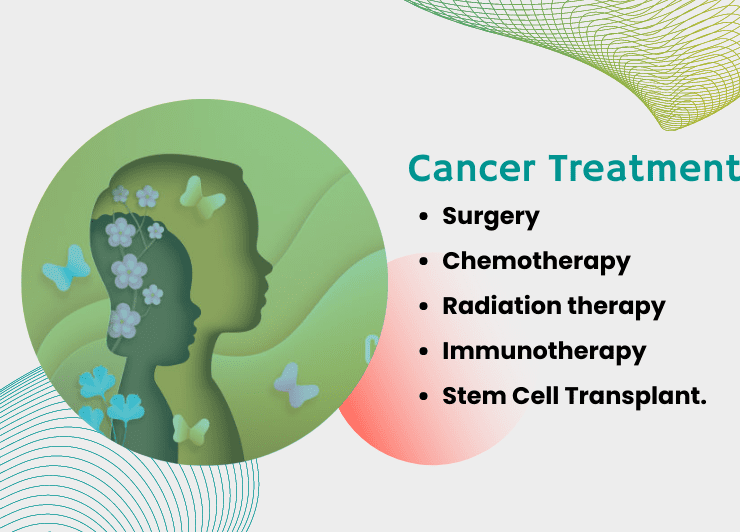
For kids and teenagers, cancer is the main cause of death. Generally, the most common types of cancer in children are leukemia, lymphomas, brain tumors, and solid tumors. In most cases, screening cannot detect or prevent childhood cancer. By using generic medications and other cancer treatments, like surgery, chemotherapy, radiation therapy, immunotherapy, and stem cell transplant, childhood cancers can be cured. Most importantly, pediatric cancer can be treated in any socioeconomic setting. In this blog, you will learn the method for curing childhood cancer.
The warning signs of cancer in children:
- If there is blindness, a bulging eyeball, a white spot in the child’s eye, a new squint, etc. are some of the few warning signs of cancer.
- In case a lump is found in the abdomen and pelvis, limbs, testes, glands, head, and neck.
- Loss of weight and appetite are seen in children.
- If your child has a high fever, pale skin, fatigue, easy bruising, or excessive bleeding, seek medical attention immediately.
- If there is a change in behavior, balance, headaches, or an enlarging head, consult your doctor.
- Patient is having pain in her bones, joints, and back.
The Causes of Cancer in Children:
Normally, there is no known cause for childhood cancers. Cancer can affect any region of the body and affect people of all ages. It starts when there is a genetic change in the single cells. Then it grows into a tumor and affects other parts of the body. If the treatment is not given, it leads to death.
Adults are more likely to develop cancer if they have an unhealthy diet, such as smoking or eating unhealthy foods. But the children do not have any unhealthy habits that increase their risk of cancer. If the child has a family history of cancer, then it will increase the risk of having cancer.
But childhood cancers are caused by a DNA mutation that is not inherited but occurs randomly. There are very few cancers in children that are caused by lifestyle or environmental factors.
HIV, Epstein-Barr virus, and malaria are some of the chronic diseases that increase the risk of developing childhood cancer. In low-income countries, this is very important. Hence, it is very necessary to get vaccinated, as other infections can increase the risk of cancer.
Effective Cancer Prevention Strategy for Children:
Normally, it is not possible to prevent childhood cancer in children, but it is possible to reduce cancer in children. With early diagnosis, correct treatment, and palliative care, you can cure cancer in children. Early diagnosis of cancer improves the survival rate of many children suffering from cancer. If cancer is identified early, then it will respond to treatment, the patient will suffer less, and the treatment will be less expensive.
If the child gets an early diagnosis, then appropriate therapies are available for the patient, such as chemotherapy, surgery, or radiotherapy. As all children suffering from cancer cannot be cured, palliative care should be given to those who suffer from cancer.
Early Diagnosis Helps Fight Lung Cancer
Lung cancer starts in the lungs when the cells in the body start to grow out of control. This form of cancer kills more people per year as compared to other forms of cancer. According to the research of the American Lung Association, if lung cancer is diagnosed in its early stages, it is easy to stop, the chances of survival increase, and the lung cancer treatment is more likely to be successful.
If cancer care is delayed, then the chances of survival are less, and so many problems get associated with the treatment. Hence, early diagnosis provides care to the patient, which is very important for their health. In this blog, you will learn how early diagnosis helps fight lung cancer.
Two Types of Lung Cancer:
- Non-small cell lung cancer (NSCLC):
Generally, 80% of the people who suffer from lung cancer have NSCLC. There are three types of NSCLC: adenocarcinoma, squamous cell carcinoma, and large cell carcinoma. These types of lung cancer begin in different types of lung cells, but their treatments are normally similar.
- Small cell lung cancer (SCLC):
SCLC is also known as oat cell cancer. This type of lung cancer spreads and grows more quickly than NSCLC. Generally, when someone suffers from SCLC, the cancer is already spread throughout their body when it is diagnosed. After this, the cancer grows quickly in the patient’s body, and it responds to chemotherapy and radiation therapy. But, for many people, cancer returns after some time.
Symptoms of Lung Cancer:
Normally, the symptoms of lung cancer do not develop until the cancer is at an advanced stage. That is why smokers who are between the ages of 55 and 77 should be regularly screened for lung cancer if the symptoms are not observed.
- If the patient has a worse cough that does not go away,
- In case the patient found blood in the cough or rust-colored sputum.
- chest pain with a shortness of breath
- Patient suffers from loss of appetite and weight loss.
- Regularly if the person is feeling tired or weak.
What are the causes of lung cancer?
The causes of lung cancer are smoking, exposure to radon, air pollution, and secondhand smoke. Sometimes, the person who doesn’t smoke suffers from lung cancer when they are exposed to asbestos, diesel exhaust, or other chemicals. And gene changes also result in lung cancer.
Hence, lung cancer can be cured with an early diagnosis. The patient should go for CT scans, because early diagnosis is very important. If the lung cancer is diagnosed at an early stage, then it increases the chance of a high survival rate and also ensures a successful treatment. If you are not a smoker and haven’t smoked for years, you should talk to your doctor about the benefits of a CT scan. Don’t wait until it’s too late, as it can save your life and also reduce the cost of treatment. But if you have any symptoms, then you must consult your doctor right away.