How to Cure Childhood Cancer?
With the advancement of technology, about 80% of childhood cancers can be cured globally. In high-income countries, as resources become available, childhood cancer can be cured. But the percentage is low in India because of a lack of awareness. The reasons for lower survival rates in low-income countries are a delay in diagnosis, inaccessible therapy, an inaccurate diagnosis, if the patient leaves treatment in between, and death from side effects.
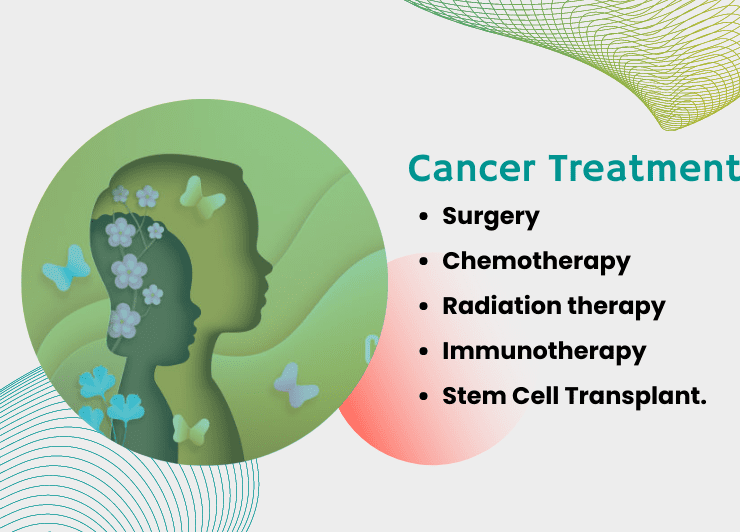
For kids and teenagers, cancer is the main cause of death. Generally, the most common types of cancer in children are leukemia, lymphomas, brain tumors, and solid tumors. In most cases, screening cannot detect or prevent childhood cancer. By using generic medications and other cancer treatments, like surgery, chemotherapy, radiation therapy, immunotherapy, and stem cell transplant, childhood cancers can be cured. Most importantly, pediatric cancer can be treated in any socioeconomic setting. In this blog, you will learn the method for curing childhood cancer.
The warning signs of cancer in children:
- If there is blindness, a bulging eyeball, a white spot in the child’s eye, a new squint, etc. are some of the few warning signs of cancer.
- In case a lump is found in the abdomen and pelvis, limbs, testes, glands, head, and neck.
- Loss of weight and appetite are seen in children.
- If your child has a high fever, pale skin, fatigue, easy bruising, or excessive bleeding, seek medical attention immediately.
- If there is a change in behavior, balance, headaches, or an enlarging head, consult your doctor.
- Patient is having pain in her bones, joints, and back.
The Causes of Cancer in Children:
Normally, there is no known cause for childhood cancers. Cancer can affect any region of the body and affect people of all ages. It starts when there is a genetic change in the single cells. Then it grows into a tumor and affects other parts of the body. If the treatment is not given, it leads to death.
Adults are more likely to develop cancer if they have an unhealthy diet, such as smoking or eating unhealthy foods. But the children do not have any unhealthy habits that increase their risk of cancer. If the child has a family history of cancer, then it will increase the risk of having cancer.
But childhood cancers are caused by a DNA mutation that is not inherited but occurs randomly. There are very few cancers in children that are caused by lifestyle or environmental factors.
HIV, Epstein-Barr virus, and malaria are some of the chronic diseases that increase the risk of developing childhood cancer. In low-income countries, this is very important. Hence, it is very necessary to get vaccinated, as other infections can increase the risk of cancer.
Effective Cancer Prevention Strategy for Children:
Normally, it is not possible to prevent childhood cancer in children, but it is possible to reduce cancer in children. With early diagnosis, correct treatment, and palliative care, you can cure cancer in children. Early diagnosis of cancer improves the survival rate of many children suffering from cancer. If cancer is identified early, then it will respond to treatment, the patient will suffer less, and the treatment will be less expensive.
If the child gets an early diagnosis, then appropriate therapies are available for the patient, such as chemotherapy, surgery, or radiotherapy. As all children suffering from cancer cannot be cured, palliative care should be given to those who suffer from cancer.
Two of the most commonly experienced side effects of chemotherapy are loss of appetite and change in the experience of the taste of food. Loss of appetite may appear as feeling less hungry or feeling satiated after eating a very small portion of food. Some cancer treatments may also lead to a change in taste.
One can experience lack of hunger because of nausea, oral pain that may make it difficult to ingest food, or medication that causes loss of taste. Sometimes, feelings of fatigue and depression can also add to the problem. In a few cases however, treatments can result in an increase of appetite and weight gain. As long as one subscribes to a healthy balance of the list of recommended foods below, weight loss and gain are immaterial and expected.
How long does it last?
There is no standard timeline. The feeling can extend from a day to couple of weeks or months. But worry not! Our experts recommend the following strategies to navigate a healthy and nutritious diet through your cancer treatment journey.
Why is diet important during chemotherapy?
It is vital to eat well before, during and after chemotherapy, even if one lacks an appetite. The cleaner you eat, the faster the healing will prevail. Foods rich in protein, vitamins and carbohydrates are necessary. These will ensure that infection is fought against in the body and tissue repair is sustained.
Suggestions to maintain a healthy eating lifestyle during chemotherapy
It is understandable that you may lose your morale and feel unmotivated to eat clean or eat at all. Following are some shortcuts you can integrate into your life to ensure you don’t lose out on those essential nutrients!
- Small meals instead of large ones: A large meal can give a feeling of fullness and exacerbate nausea. Instead, it is recommended that instead of 3 large meals, one breaks their dietary intake into six small snacks every two to three hours.
- Enrich your environment: Our surroundings impact our appetite. To combat its loss, we can eat socially with loved ones, as research shows one eats more in the company of another. If that option is not available, you can change the room of eating from time to time and watch a favorite movie while dining.
- Try different cuisines, garnishing and seasoning: If food begins to smell or taste bad, try different cuisines, instant mixes and flavorful seasonings such as vinegar, oregano, rosemary, thyme etc. If you keep your taste palette busy, colorful and diverse, chemo can become a less stressful experience.
- Schedule dining time: In order to eat even in the absence of an appetite, keep fixed meal and snack timings and an alarm clock as a reminder.
- Supplements and vitamins : Check with your doctor on essential supplements and vitamins that can help increase appetite and give you the much needed energy boost.
Do’s
Avocado, soups, oatmeal and smoothies can be added to compensate for lack of appetite. You can also keep your favorite snacks handy. Bread and crackers are an excellent choice as they are high on calories. Lentils and pulses can help keep your protein index high, along with cooked eggs.
Don’ts
In some cases, chemotherapy suppresses our immune system, by the way of reducing white blood cell production. This means it is important to avoid certain foods until our immune system is back to its full strength.
Raw foods or undercooked foods can cause stress on the system and thus should be avoided. Raw seafood and milk should be avoided for the same reason. Certain variet6y of cheese such as blue cheese or brie can cause more stress to the immune system so should be skipped. Acidic and spicy foods can cause irritation so should be avoided too.
How chemotherapy work
Chemotherapy is using medication (drugs) to eliminate cancer cells and it works by stopping the cancer cells from growing, dividing, and multiplying into more cells. As cancer cells usually grow and divide faster than normal cells, chemotherapy has a greater effect on cancer cells. However, the drugs used in chemotherapy are strong, and can cause damage to healthy cells. This can cause side effects. If you’re considering chemotherapy or wish to know what the best doctors for cancer in Delhi would advise you, read on.
Types of chemotherapy
Treatment through powerful drugs is standard chemotherapy, also called traditional chemotherapy, or cytotoxic chemotherapy.
Doctors use chemotherapy in differently for different times. These can be:
- Before surgery or radiation therapy to reduce tumours, called neoadjuvant chemotherapy.
- After surgery or radiation therapy to destroy remaining cancer cells, called adjuvant chemotherapy.
- As the treatment itself. For example, treating cancers of the blood or lymphatic system, like leukaemia and lymphoma.
- For recurrent cancer that comedy back after treatment.
- For metastatic cancer that has spread to other parts of the body.
The Aim of chemotherapy for how it work
The aim of chemotherapy will depend on the type of cancer and how far it has spread. At times, the goal is simply to get rid of the cancer and stop it from coming back. If this isn’t possible, you can get chemotherapy to delay or slow down cancer growth.
Delaying or slowing cancer growth with chemotherapy also helps manage the symptoms caused by the cancer. Chemotherapy with the goal of delaying cancer growth is also called palliative chemotherapy.
Choosing a chemotherapy plan
There are widely available drugs for treating cancer and a medical oncologist, will prescribe your chemotherapy. You could either receive a combination of drugs, as this may work better than just one drug.
The drugs, dose, and treatment schedule depend on many factors like the type of cancer, size of the tumour, location, and if or where it has spread to. This will determine the “stage” the cancer has reached. Other factors like age and health, body weight, other medical conditions and prior cancer treatment, if any.
How long does it take?
Chemotherapy is given for a certain projected time, say a few months or a year, and some people receive chemotherapy as long as it works.
The side effects from some of the drugs are too severe to be given every days so they are usually give with breaks, so patients have time to rest and recover in between treatment which lets healthy cells heal.
For example, dose of chemotherapy may be given on the first day and then 3 weeks before repeating the treatment. Each 3-week period is called a treatment cycle and many cycles make up the course of chemotherapy, a course will usually last about three months.
Some cancers can be treated with less recovery time between cycles, called a dose-dense schedule. This can make chemotherapy more effective against some cancers but it increases the risk of side effects. Talk with Delhi’s best doctors for cancer treatment at Oncoplus about the best schedule for you