Fighting glioblastoma one of the deadliest forms of brain cancer

Fighting glioblastoma one of the deadliest forms of brain cancer
- onco
- October 17, 2025
Glioblastoma is marked to be one of the most aggressive and life-threatening types of brain cancer, making brain cancer treatment notably challenging. Unlike many tumors that are steady growing, glioblastoma is rapid developing, oftens doubles in size within a weeks. Originating from the glial cells in the brain, it extends into surrounding healthy tissue, making complete surgical removal almost impossible. Its penetrating nature makes complete surgical removal treatment nearly impossible, and even after the surgery, microscopic cancer cells often remain which leading to high recurrence rates.
The main citated reason that glioblastoma is so deadly is its resistance to the standard brain cancer treatment. Chemotherapy and radiation may rationally slow tumor growth, but the blood-brain barrier limits drug delivery to the cancerous cell, and tumor cells can altered quickly to respond and survive treatment. Additionally, glioblastomas often develop in complex brain regions, forcing surgeons to carefully maintain the balance tumor removal with preserving core functions like speech, movement, and memory.
Despite treatment, glioblastoma remains highly lethal, with average survival rate is often less than 18 months. Understanding its Invasive nature and available brain cancer treatment options is essential for patients, their families, and caregivers a massive strength facing this deadly disease.
Glioblastoma Connection to Tumor Location in the Brain:
The location of the tumor sites a important role in determining the symptoms, challenges faced in treatment, and possible impact on essential brain functions like speech, movement, and memory.
- Frontal lobe glioblastoma: Cause changes in personality, affects decision-making, and many speech difficulties, as this region controls movement, reasoning, and behaviour.
- Temporal lobe glioblastomas: Trigger memory loss, seizures, confusion, and problems with hearing and language, as this area handles memory and auditory perception.
- Parietal lobe tumors: Affects sensory perception, spatial awareness, and, coordination, leading to the difficulty in recognizing objects.
- Occipital lobe involvement: Triggers the visual disturbances or partial loss of vision, as this region is responsible for Visual perception.
- Cerebellar tumors: Causes balance problems, and poor coordination, impacting physical movement.
- Brainstem glioblastomas: Considerably dangerous because this area controls important life functions such as breathing, heart rate, and swallowing.
One of the most important and vital hurdles in treating glioblastoma is its Limited effectiveness of standard therapies. Chemotherapy and Radiation are commonly used in such treatment, but tumor cells can transform rapidly, reducing treatment effectiveness. The blood-brain barrier further causes complication in drug delivery, restricting the ability of many medications to reach the desired cell. As a result, managing glioblastoma requires specialized care at a cancer hospital in Delhi which is equipped with advanced diagnostic and excellent treatment facilities.
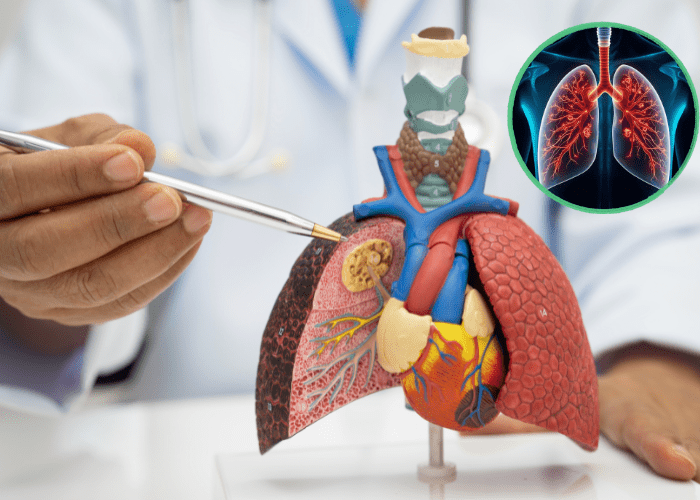
The location of the tumor in the brain plays a significant role in determining symptoms and treatment options. Frontal lobe glioblastomas may affect personality, speech, or movement, while tumors in the temporal lobe can impact memory and auditory perception. Tumors in the occipital lobe affect vision, and cerebellar involvement can lead to coordination and balance problems. Brainstem glioblastomas are particularly dangerous, as this area controls vital functions like breathing and heart rate.
Modern brain cancer treatment is a organized combination of multiple approaches. Surgery is the first step to remove as much of the tumor is possible for safely without disturbing the rest of the organ, followed by radiation therapy which is completely done by specific radiation and chemotherapy done which uses powerful drugs to kill or stop the growth of cancer cells. Advanced therapies, including targeted drugs, immunotherapy, and Tumor Treating Fields (TTF), are used to improve patient outcomes. Choosing a specialized cancer hospital in India ensures access to multidisciplinary care, advanced surgical techniques, and clinical trials offering innovative therapies.
Despite regular and best at best cancer hospital in Delhi treatment, glioblastoma remains challenging, with an average of only 12–18 months of survival. Early detection, specialized care, and Invasive treatment can help improve outcomes of life. Supportive care, which includes physical therapy, counseling, and rehabilitation, also plays important role in helping patients manage both physical and emotional challenges.
In conclusion, glioblastoma is a fast-growing, disease, and highly tumor. Its deadly nature is compounded by the tumor’s location in critical bra Invasive in regions and its resistance to conventional therapies. Accessing care at a cancer hospital in India provides patients with the best chance for effective management, cutting-edge treatment, and comprehensive support. Awareness, early intervention, and specialized medical care remain key to fighting this formidable disease.
Recent Posts
-

Best Oncology Hospital in Delhi – A Caring Guide for Patients & Families
February 17, 2026