Multiple Organ Dysfunction Syndrome Causes, Signs & Modern Treatment Approaches

Multiple Organ Dysfunction Syndrome Causes, Signs & Modern Treatment Approaches
- onco
- November 26, 2025
Multiple Organ Dysfunction Syndrome (MODS) is one of the most critical medical emergencies seen in intensive care units (ICUs). It occurs when two or more organs begin to fail simultaneously due to severe illness, infection, trauma, or complications from underlying diseases. MODS requires immediate attention, expert monitoring, and specialized medical care, as timely treatment significantly increases the chances of recovery.
As a leading critical care and oncology center in India, Oncoplus Hospital provides advanced diagnostic and treatment support for patients suffering from severe infections, sepsis, cancer complications, and other conditions that can lead to multiple organ dysfunction. Understanding MODS—its causes, warning signs, risk factors, and treatment options—can help families act sooner and improve patient outcomes.
What Is Multiple Organ Dysfunction Syndrome (MODS)?
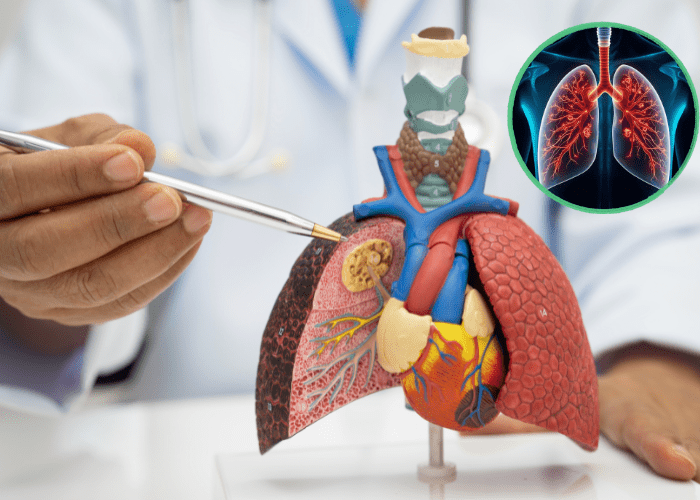
MODS refers to the progressive failure of two or more vital organ systems such as the lungs, kidneys, liver, heart, or brain. It is usually triggered by uncontrolled infection (sepsis), severe inflammation, trauma, burns, or major surgery complications.
There are two types:
- Primary MODS
Caused directly by a severe injury or illness such as:
- Major trauma
- Severe burn injuries
- Pancreatitis
- Severe blood loss
- Direct organ damage
- Secondary MODS
Occurs due to an overwhelming immune response, often after sepsis, shock, or long-term critical illness.
In both cases, early detection is crucial because organ failure progresses rapidly if not managed in time.
Read More Blog: Immunotherapy Drug Bladder Cancer Recurrence after Surgery
Key Causes of Multiple Organ Dysfunction Syndrome
MODS is not caused by a single factor. It develops when the body’s immune, metabolic, and vascular systems are overwhelmed. Some of the major causes include:
- Sepsis and Severe Infections
Sepsis is the leading cause of MODS. When infection spreads throughout the body, it triggers widespread inflammation affecting multiple organs.
- Severe Trauma or Accidents
Major injuries cause tissue damage, bleeding, and inflammation, which can disrupt blood flow to organs.
- Pancreatitis
Acute inflammation of the pancreas releases harmful enzymes that can affect distant organs.
- Major Surgery or Postoperative Complications
Complications such as infections, blood loss, and shock can lead to systemic inflammation.
- Burns and Heat Injuries
Burn injuries cause extensive fluid loss and immune disruption, increasing the risk of organ dysfunction.
- Cancer-Related Complications
Advanced cancers, chemotherapy toxicity, tumor lysis syndrome, or infections in immunosuppressed patients may lead to MODS.
Oncoplus Hospital treats many high-risk cancer cases requiring intensive monitoring to prevent organ involvement.
- Respiratory Failure or ARDS
When the lungs fail to oxygenate blood, other organs quickly become affected.
- Prolonged ICU Stay or Critical Illness
Long-term hospitalization and severe chronic conditions can weaken organ systems.
Warning Signs and Symptoms of MODS
The symptoms vary depending on which organs are affected, but common warning signs include:
- Lung Dysfunction
- Difficulty breathing
- Low oxygen levels
- Rapid breathing
- Need for ventilator support
- Kidney Failure
- Reduced urine output
- Fluid retention
- Swelling in legs and face
- Accumulation of toxins
- Liver Dysfunction
- Jaundice (yellowing of eyes/skin)
- Abnormal liver enzyme levels
- Confusion or disorientation
- Cardiovascular Issues
- Low blood pressure
- Irregular heartbeat
- Poor blood circulation
- Neurological Changes
- Confusion
- Reduced consciousness
- Agitation or unresponsiveness
- Blood Clotting Problems
- Bruising
- Excessive bleeding
- Low platelet count
These signs indicate that organs are under extreme stress and require immediate medical support. MODS is a medical emergency, and early intervention at a specialized center like Oncoplus Hospital can be life-saving.
Risk Factors for Developing MODS
Certain patients are more vulnerable to organ dysfunction, including those with:
- Advanced cancer
- Severe infections
- Autoimmune diseases
- Diabetes or high blood pressure
- Heart or lung disease
- Age above 60
- Immunosuppression (chemotherapy or long-term steroids)
- Major surgeries
- Chronic kidney or liver disease
Recognizing these risks allows caregivers to seek medical help at the earliest signs of deterioration.
Modern Treatment Approaches for MODS
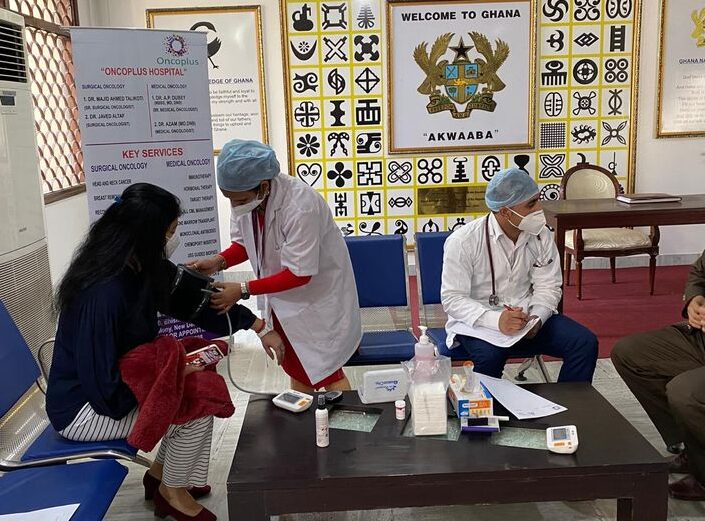
Treatment for Multiple Organ Dysfunction Syndrome focuses on stabilizing the patient, supporting failing organs, treating the underlying cause, and preventing further complications. At Oncoplus Hospital, critical care specialists use evidence-based protocols and advanced ICU technologies to support recovery.
- Immediate Stabilization and Monitoring
Patients are kept under continuous observation, including:
- Heart monitoring
- Oxygen levels
- Blood pressure
- Urine output
- Organ function assessments
This helps clinicians track improvement and intervene quickly.
- Treating the Underlying Cause
Treatment is tailored depending on the trigger:
- Antibiotics or antifungal medications for infections
- Drainage of abscesses
- Fluid resuscitation for shock
- Chemotherapy adjustments if cancer treatment caused toxicity
- Surgical intervention in trauma or abdominal infections
Addressing the root cause early significantly reduces the risk of further organ damage.
- Organ Support Therapies
Lungs:
- Oxygen therapy
- Non-invasive ventilation
- Mechanical ventilators when needed
Kidneys:
- Dialysis (hemodialysis or CRRT) to remove toxins
Heart and Circulation:
- Medications to stabilize blood pressure
- IV fluids to maintain circulation
Liver:
- Nutritional support
- Monitoring for complications
- Advanced Critical Care Protocols
Oncoplus Hospital utilizes modern protocols such as:
- Early goal-directed therapy
- Lactate monitoring
- Sepsis bundle care
- Targeted temperature management
- Antibiotic stewardship
These evidence-based approaches improve survival rates in MODS cases.
- Nutrition and Metabolic Management
Proper nutrition supports immunity and helps the body recover faster. Dietitians customize feeding plans based on patient needs.
- Continuous Specialist Care
MODS requires a multidisciplinary ICU team, including:
- Critical care doctors
- Oncologists
- Infectious disease experts
- Nephrologists
- Pulmonologists
- Cardiologists
- Nutritionists
At Oncoplus Hospital, integrated care ensures that every organ system receives expert attention.
Prognosis and Recovery
Recovery from MODS depends on the number of organs involved, how early treatment began, age, and underlying medical conditions. With timely intervention, advanced ICU support, and personalized treatment plans, many patients show significant improvement.
Families are encouraged to remain involved, ask questions, and stay informed about the patient’s progress.
Conclusion
Multiple Organ Dysfunction Syndrome is a life-threatening condition that requires rapid diagnosis, expert care, and advanced treatment. By understanding its causes, symptoms, and modern management strategies, families can act quickly during emergencies.
Oncoplus Hospital remains committed to providing high-quality critical care, oncology expertise, and 24×7 ICU support to help patients recover with the best possible outcomes. Early detection and timely hospital care play a key role in saving lives.
Recent Posts
-

Best Oncology Hospital in Delhi – A Caring Guide for Patients & Families
February 17, 2026