The Future of TB Care: Modern, Personalized & Faster Treatment Options
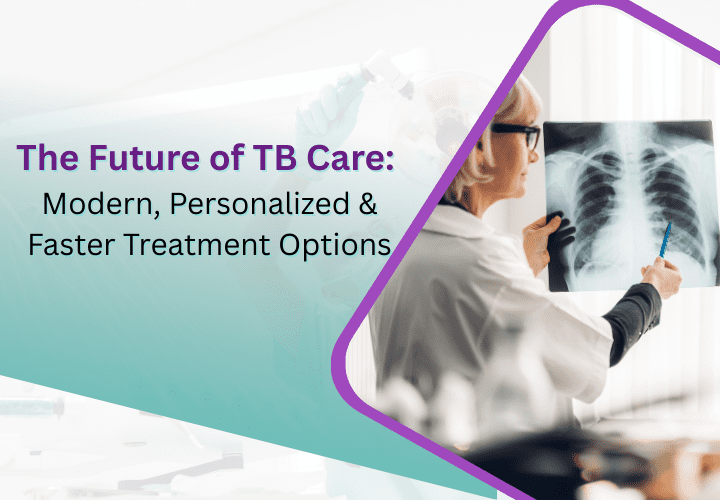
The Future of TB Care: Modern, Personalized & Faster Treatment Options
- onco
- December 3, 2025
Tuberculosis (TB) remains one of the most significant public health challenges in India and several countries across the globe. Despite decades of public health initiatives, TB continues to affect millions of people every year. However, the landscape of TB treatment is rapidly evolving, with new technologies, personalized medicine, and faster therapeutic approaches transforming how the disease is managed.
Modern TB care aims not only to cure the disease but also to reduce treatment duration, minimize side effects, and improve patient compliance. This article explores the future of TB care, highlighting emerging trends, innovative treatments, and the role of personalized medicine in combating this persistent health threat.
-
Understanding TB and Its Challenges
TB is caused by Mycobacterium tuberculosis, primarily affecting the lungs, but it can also target other organs. Traditional treatment involves a lengthy course of multiple antibiotics, often spanning 6 to 9 months. While effective, this approach has several challenges:
- Long treatment duration leads to poor patient adherence
- Side effects like nausea, liver toxicity, and fatigue
- Emergence of drug-resistant TB strains (MDR-TB and XDR-TB)
- Limited access to advanced diagnostics in rural areas
These challenges underscore the need for innovative, faster, and patient-centered treatment strategies.
-
Shorter, More Effective TB Treatment Regimens
The future of TB care includes shortened treatment courses that are as effective as traditional therapy but more tolerable for patients. Recent clinical trials have shown promising results:
- Four-month regimens for drug-susceptible TB
- Shorter MDR-TB treatment protocols (6–9 months instead of 18–24 months)
- Combination therapies that reduce pill burden and improve compliance
Shorter regimens are expected to reduce default rates, improve outcomes, and make TB management more practical for patients across India and other high-burden countries.
-
Personalized Medicine in TB Care
Personalized medicine tailors treatment to an individual’s genetic profile, immune response, and specific strain of TB bacteria. Key benefits include:
- Optimizing drug selection based on resistance patterns
- Reducing toxicity by customizing doses
- Enhancing treatment success in complicated cases
- Monitoring patient response in real-time using biomarkers
By integrating genetic testing and molecular diagnostics, clinicians can deliver care that is targeted, efficient, and patient-friendly, paving the way for better long-term outcomes.
-
Advanced Diagnostic Tools for Early Detection
Rapid and accurate diagnosis is critical for effective TB care. Emerging technologies are improving diagnostic speed and accuracy:
- GeneXpert MTB/RIF detects TB and rifampicin resistance in under 2 hours
- Line probe assays identify drug-resistant strains
- Digital chest X-rays with AI analysis help detect TB in rural and urban settings
- Biomarker-based tests monitor treatment response and detect relapse
Early detection enables faster treatment initiation, reducing the risk of transmission and complications.
-
Integration of Digital Health and Telemedicine
Digital health solutions are revolutionizing TB care by supporting patient monitoring, adherence, and education:
- Mobile apps send medication reminders and track compliance
- Telemedicine consultations allow remote follow-up, reducing the need for hospital visits
- Electronic health records enable seamless data sharing among clinicians
- AI-driven predictive analytics help identify high-risk patients and tailor interventions
Such tools make TB care more accessible, efficient, and patient-centered, especially for populations in remote or underserved areas.
-
Novel Drugs and Combination Therapies
The development of new TB drugs is accelerating. Novel agents aim to overcome drug resistance and shorten treatment duration:
- Bedaquiline and Delamanid target drug-resistant TB
- Pretomanid is used in combination therapies for MDR-TB
- Research is ongoing for host-directed therapies that enhance the immune response
These advancements provide hope for patients with resistant TB strains and improve overall treatment outcomes.
-
Vaccines and Preventive Strategies
While treatment is essential, prevention remains a cornerstone in the fight against TB. Future strategies focus on enhanced vaccination:
- Improved BCG vaccines for better protection in adults and children
- New TB vaccines in clinical trials aimed at reducing infection and transmission
- Community-based preventive therapy for high-risk populations
Vaccination, combined with modern treatment approaches, has the potential to drastically reduce TB incidence in high-burden regions.
-
Patient-Centric and Holistic Care
The future of TB care emphasizes not just curing the disease but supporting the patient throughout treatment:
- Nutritional support to boost immunity
- Psychological counseling for patients facing long-term treatment
- Community health programs to improve awareness and adherence
- Tailored follow-up plans to prevent relapse
A holistic approach ensures better outcomes, reduces complications, and improves quality of life for TB patients.
-
Addressing Drug-Resistant TB
Drug-resistant TB remains one of the biggest challenges in India and other high-burden countries. Modern approaches include:
- Rapid detection of resistance patterns
- Individualized treatment plans using new drugs
- Shortened, intensive therapy to improve adherence
- Continuous monitoring through digital health tools
These measures aim to curb the spread of resistant strains and improve survival rates.
-
The Road Ahead: Smarter, Faster, and Safer TB Care
The combination of personalized medicine, digital health, shorter treatment regimens, novel drugs, and advanced diagnostics marks the future of TB care. By integrating these innovations, healthcare providers can:
- Reduce treatment duration
- Minimize side effects
- Improve adherence and patient experience
- Lower transmission rates in communities
- Enhance overall public health outcomes
India, being a high-burden country, stands to benefit greatly from these advancements, ensuring that TB is managed efficiently and compassionately.
Conclusion
The future of TB treatment is bright, with modern, personalized, and faster therapies redefining patient care. By embracing innovations in diagnostics, drugs, digital health, and preventive strategies, healthcare systems can improve outcomes, reduce complications, and move closer to eradicating TB.
Patient education, early diagnosis, adherence to treatment, and holistic care are as important as medical innovation. Together, these strategies promise a new era of TB care that is efficient, patient-friendly, and life-saving.
Recent Posts
-

Best Oncology Hospital in Delhi – A Caring Guide for Patients & Families
February 17, 2026
-

Liver Health Prevention – NAFLD, NASH, and Liver Disease
January 27, 2026