What is Sleep Deprivation? Causes, Symptoms and Treatment – Complete Guide by Oncoplus Hospital
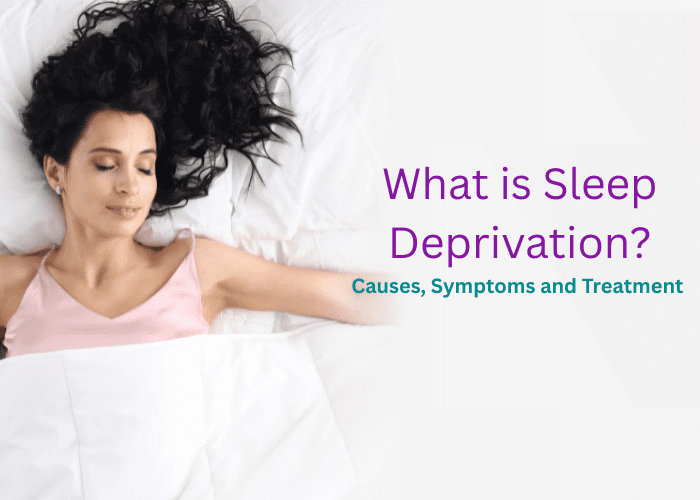
What is Sleep Deprivation? Causes, Symptoms and Treatment – Complete Guide by Oncoplus Hospital
- onco
- February 11, 2026
In today’s busy lifestyle, quality sleep is often the first thing people compromise. Long working hours, stress, mobile phone usage, family responsibilities and health concerns slowly push proper rest to the background. Unfortunately, lack of sleep is not just a temporary problem. Over time, it can seriously affect physical health, mental well-being and overall quality of life.
At Oncoplus Hospital – Cancer Treatment Services, we believe that good sleep is one of the most important foundations of long-term health and recovery. This complete guide explains what sleep deprivation is, its causes, common sleep deprivation symptoms, health risks and the most effective sleep deprivation treatment approaches in a clear and patient-friendly way.
What is Sleep Deprivation?
Sleep deprivation is a condition in which a person does not get enough sleep to meet the body’s physical and mental needs. It can occur when someone sleeps fewer hours than required, has frequent sleep interruptions, or experiences poor-quality sleep.
Adults generally need 7 to 9 hours of restful sleep every night. When the body is repeatedly deprived of proper rest, the brain and vital organs do not get sufficient time to repair, recover and regulate essential functions.
Sleep deprivation can be:
- Short-term (acute) – caused by a few nights of poor sleep
- Long-term (chronic) – caused by ongoing sleep problems over weeks or months
Both forms can significantly impact daily performance and long-term health.
Why Sleep Matters for Your Body and Brain
Sleep plays a vital role in:
- Strengthening the immune system
- Improving memory and learning
- Regulating mood and emotions
- Maintaining heart health
- Supporting hormone balance
- Repairing tissues and muscles
For patients undergoing medical care, including those receiving cancer treatment, good sleep becomes even more important. At Oncoplus Hospital, we regularly observe how improved sleep supports better emotional strength, energy levels and overall recovery.
Common Causes of Sleep Deprivation
Understanding the causes is the first step towards proper sleep deprivation treatment.
1. Stress and Anxiety
Work pressure, financial worries, family issues and health concerns are major contributors to poor sleep. Stress keeps the mind active at night and delays the natural sleep process.
2. Irregular Sleep Schedule
Late nights, rotating shifts and frequent changes in bedtime disturb the body’s internal clock, making it difficult to fall asleep or stay asleep.
3. Excessive Screen Time
Mobile phones, laptops and television screens emit blue light, which suppresses the production of melatonin – the hormone responsible for sleep.
4. Poor Sleep Environment
Noise, bright lights, uncomfortable mattresses, temperature issues and disturbances during the night reduce sleep quality.
5. Medical Conditions
Chronic pain, breathing disorders, digestive problems, hormonal imbalances and neurological conditions often lead to sleep disturbances.
6. Mental Health Conditions
Depression, anxiety disorders and emotional distress commonly cause insomnia and fragmented sleep.
7. Lifestyle Habits
Late-night caffeine, smoking, alcohol consumption and lack of physical activity can also trigger sleep problems.
Sleep Deprivation Symptoms You Should Not Ignore
Recognizing early sleep deprivation symptoms helps prevent serious health consequences.
Common Physical Symptoms
- Constant tiredness and low energy
- Frequent headaches
- Body aches and muscle weakness
- Weakened immunity and frequent infections
- Changes in appetite
Cognitive and Mental Symptoms
- Poor concentration and reduced focus
- Memory problems
- Slow thinking and delayed reaction time
- Difficulty making decisions
Emotional and Behavioral Symptoms
- Irritability and mood swings
- Increased anxiety
- Lack of motivation
- Feeling overwhelmed easily
Workplace and Daily Life Impact
- Reduced productivity
- Increased errors and accidents
- Difficulty managing responsibilities
- Lower work performance
Ignoring these sleep deprivation symptoms can gradually affect professional life, relationships and emotional stability.
Health Risks Associated with Long-Term Sleep Deprivation
When sleep deprivation becomes chronic, it can increase the risk of several serious health conditions:
- High blood pressure
- Heart disease
- Type 2 diabetes
- Obesity
- Depression and anxiety disorders
- Weakened immune system
- Hormonal imbalance
At Oncoplus Hospital we emphasize that sleep health is closely connected to long-term disease management and emotional resilience.
How Sleep Deprivation Affects Working Professionals
Working professionals are especially vulnerable due to:
- Long office hours
- High performance pressure
- Frequent travel
- Screen-based work
Poor sleep reduces focus, creativity and problem-solving abilities. Over time, it can lead to burnout, emotional exhaustion and reduced career satisfaction. Identifying sleep deprivation symptoms early and seeking timely sleep deprivation treatment helps professionals maintain better work-life balance.
Sleep Deprivation and Patients Under Medical Care
Patients dealing with long-term medical conditions, including cancer, often struggle with sleep due to:
- Pain and discomfort
- Anxiety about treatment
- Medication side effects
- Emotional stress
At Oncoplus Hospital, patient care includes not only clinical treatment but also emotional and lifestyle support. Improving sleep quality plays an important role in overall patient well-being.
Sleep Deprivation Treatment – A Complete Approach
Effective sleep deprivation treatment focuses on identifying the cause and creating a structured, personalized recovery plan.
1. Improving Sleep Hygiene
This is the foundation of every sleep improvement plan.
- Maintain a fixed bedtime and wake-up time
- Avoid mobile phones and screens at least one hour before sleep
- Keep the bedroom quiet, dark and comfortable
- Avoid heavy meals late at night
- Reduce caffeine intake after afternoon hours
These small changes significantly improve sleep quality over time.
2. Managing Stress and Emotional Health
Stress is one of the most common triggers of sleep deprivation.
Helpful techniques include:
- Deep breathing exercises
- Meditation and relaxation practices
- Gentle yoga or stretching
- Writing down worries before bedtime
At Oncoplus Hospital (Cancer Treatment Services), emotional well-being is considered an important part of patient care and recovery planning.
3. Physical Activity and Daytime Routine
Regular physical activity supports better sleep patterns. Light to moderate exercise improves circulation, mood and stress levels.
However, heavy workouts should be avoided close to bedtime.
4. Medical Evaluation and Professional Support
When lifestyle changes do not resolve the issue, professional assessment becomes essential.
Doctors may evaluate:
- Underlying medical conditions
- Mental health concerns
- Medication side effects
- Hormonal issues
This structured evaluation helps design a safe and effective sleep deprivation treatment plan.
5. Cognitive and Behavioral Therapy for Sleep Problems
Cognitive behavioral approaches help individuals change negative thoughts and habits related to sleep. This method is widely recommended for long-term insomnia and stress-related sleep problems.
6. Medication – When Required
In certain situations, short-term medication may be prescribed under medical supervision. It should never be self-medicated and must be part of a broader treatment plan.
At Oncoplus Hospital, medication is considered only when clearly needed and is always carefully monitored.
How Long Does It Take to Recover from Sleep Deprivation?
Recovery depends on:
- Duration of sleep deprivation
- Underlying health conditions
- Lifestyle habits
- Emotional well-being
Some people notice improvement within a few days, while others may need several weeks of consistent care and structured sleep deprivation treatment.
Practical Tips for Better Sleep Starting Today
- Set a fixed sleep schedule
- Avoid scrolling on mobile phones in bed
- Reduce late-night work emails and notifications
- Create a calming bedtime routine
- Keep a comfortable sleeping environment
- Seek medical advice if symptoms persist
Following these steps helps reduce sleep deprivation symptoms and supports long-term sleep health.
When Should You Consult a Doctor?
You should consult a healthcare professional if:
- Sleep problems last longer than two weeks
- Daytime fatigue affects daily functioning
- You feel emotionally low or anxious regularly
- Sleep deprivation symptoms interfere with work or personal life
- You are already undergoing medical treatment and sleep problems continue
Early medical consultation prevents complications and allows proper diagnosis and personalized sleep deprivation treatment.
Why Choose Oncoplus Hospital for Health and Well-Being Support?
At Oncoplus Hospital (Cancer Treatment Services), patient care extends beyond medical procedures. We believe in a holistic approach that supports physical health, emotional strength and daily well-being.
Our multidisciplinary healthcare team works closely with patients and families to identify lifestyle challenges, emotional concerns and recovery needs. Good sleep is treated as an essential part of healing, resilience and long-term health.
Frequently Asked Questions
Is sleep deprivation a serious health problem?
Yes. Long-term sleep deprivation can significantly increase the risk of heart disease, diabetes, depression and weakened immunity.
Can stress alone cause sleep deprivation?
Yes. Emotional stress and anxiety are among the most common causes of poor sleep and recurring sleep deprivation symptoms.
Can lifestyle changes alone help?
In many cases, yes. However, if symptoms continue, professional evaluation is necessary for proper sleep deprivation treatment.
Final Thoughts
Sleep is not a luxury. It is a biological necessity that protects both physical and emotional health. Ignoring sleep problems may slowly lead to serious complications, reduced quality of life and long-term health risks.
By understanding the causes, recognizing early sleep deprivation symptoms, and following structured sleep deprivation treatment, individuals can regain healthy sleep and restore daily energy.
At Oncoplus Hospital , we remain committed to supporting patients and working professionals with compassionate, evidence-based and health-focused care. If you or your loved one are experiencing ongoing sleep difficulties, timely medical guidance can make a meaningful difference in overall well-being and recovery.
Recent Posts
-

Best Oncology Hospital in Delhi – A Caring Guide for Patients & Families
February 17, 2026
-

Liver Health Prevention – NAFLD, NASH, and Liver Disease
January 27, 2026