Liver Health Prevention – NAFLD, NASH, and Liver Disease
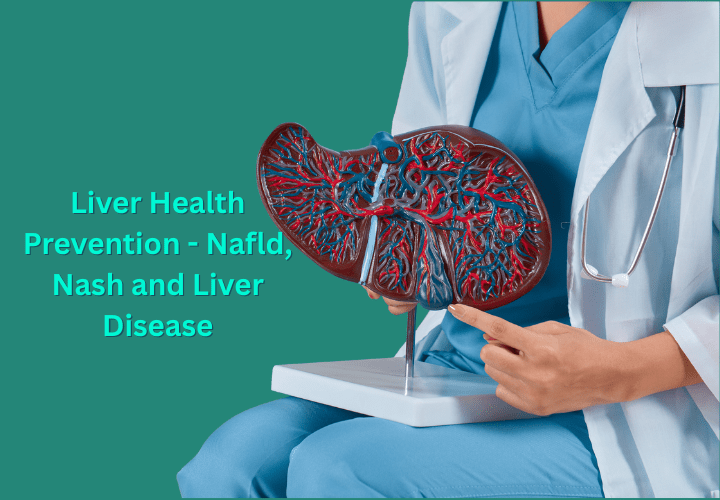
Liver Health Prevention – NAFLD, NASH, and Liver Disease
- onco
- January 27, 2026
The liver is one of the vital organs in the human body, responsible for numerous essential functions, including detoxification, metabolism, digestion, and nutrient storage. Despite its importance, liver health is often overlooked until significant damage occurs. Non-Alcoholic Fatty Liver Disease (NAFLD) and Non-Alcoholic Steatohepatitis (NASH) are lifestyle-related liver disorders that have emerged as major public health concerns. Early awareness, timely diagnosis, and access to appropriate Liver Cancer Treatment options play a crucial role in preventing complications and ensuring long-term liver health.
Non-Alcoholic Fatty Liver (NAFL) and Non-Alcoholic Steatohepatitis (NASH) are types of NAFLD, a condition in which fat builds up in your liver.
Understanding NAFLD, NASH, and other diseases
NAFLD
NAFLD refers to the accumulation of excess fat in liver cells in individuals who consume little or no alcohol. It is closely linked to metabolic disorders such as obesity, Type 2 Diabetes, high cholesterol, and insulin resistance. NAFLD is often described as a ‘silent disease’ because most people experience no noticeable symptoms in the early stages. Fatigue, mild abdominal discomfort, or weakness are the symptoms that people often ignore.
NAFLD has become one of the most common causes of chronic liver disease globally, driven largely by sedentary lifestyles, unhealthy diets, and rising obesity rates. While simple fatty liver may be reversible with lifestyle changes, failure to address it can lead to more serious conditions.
NASH
Non-Alcoholic Steatohepatitis is a progressive and more severe form of NAFLD. In NASH, fat accumulation in the liver is accompanied by inflammation and liver cell damage. Over time, this can turn into fibrosis (scarring), cirrhosis, liver failure, or even liver cancer.
Unlike NAFLD, NASH significantly increases the risk of long-term complications and mortality. Alarmingly, NASH can progress silently for years before being detected. Many patients are diagnosed only when advanced liver damage has already occurred. This underscores the importance of early prevention and regular health monitoring.
Other Liver Diseases
Apart from NAFLD and NASH, there are several other conditions that affect the liver, including viral hepatitis (Hepatitis A, B, and C), alcoholic liver disease, autoimmune liver disorders, liver cancer and drug-induced liver injury. The cause of the disease could be excessive alcohol, the use of unsafe injections, or the unregulated use of medications or supplements, and exposure to toxins are other common risk factors.
Cirrhosis, the end stage of chronic liver disease, occurs when healthy liver tissue is replaced by scar tissue, impairing liver function. At this stage, damage is largely irreversible, highlighting the importance of early prevention. Consult a doctor for the liver cancer treatment or any liver-related ailments to procure immediate care and attention.
What are the key risk factors?
There are various factors that can increase the risk of developing NAFL, NASH, and other liver diseases, which may include –
* Overweight and obesity
* Poor dietary habits, especially high intake of sugar and processed foods
* Lack of physical activity
* Type 2 diabetes and insulin resistance
* High blood pressure and cholesterol
* Excessive alcohol consumption
* Long-term use of certain medications without medical supervision
Identifying and addressing these risk factors early can significantly reduce disease progression.
Preventive Measures for Liver Diseases
Liver diseases, including NAFLD and early-stage of NASH, are preventable and can even be reversed through lifestyle modifications. So, here are some Liver Health Prevention measures to adopt –
- Maintaining a Healthy Diet
A balanced diet with fruits, vegetables, whole grains, lean proteins, and healthy fats is essential for liver health. Reducing intake of refined sugars, fried foods, trans fats, and processed snacks helps prevent liver fat accumulation. Including fiber-rich foods thereby improves metabolism and insulin sensitivity.
- Physical Activity
Physical activity or regular exercise plays a key role in reducing liver fat and improving overall metabolic health. At least 30 minutes of moderate exercise, such as brisk walking, cycling, or swimming on most days of the week, is recommended.
- Manage Weight and Metabolic Health
A gradual and sustained weight loss significantly improves liver function in people with NAFLD. Managing blood sugar, cholesterol, and blood pressure through medical guidance is also advisable.
- Limit consumption of Alcohol
Even though NAFLD occurs without alcohol, excessive drinking can increase the chances of liver damage. Limiting or avoiding alcohol reduces the overall burden on the liver.
- Be cautious with medications and supplements
Self-medication and excessive use of herbal or over-the-counter supplements can harm the liver. Always follow prescribed dosages and consult a healthcare professional when in doubt.
- Regular health check-ups
Routine health screenings, including liver function tests and an ultrasound when advised, help detect liver issues early. People with diabetes, obesity, or a family history of liver disease should remain alert regarding their health.
Raising awareness about Liver Health prevention measures is essential, as early-stage liver disease often shows no signs. Acquiring comprehensive information about healthy lifestyle choices, early warning signs, and the importance of preventive care aid reduce the chances of liver disease.
Conclusion
NAFLD, NASH, and other liver diseases are growing concerns in today’s lifestyle. However, with timely awareness, preventive measures, and healthy habits, liver disease can be effectively managed or even prevented. The liver has a remarkable ability to heal when properly cared for. By making informed choices through balanced nutrition, regular exercise, and routine health monitoring, we can protect our liver and ensure a healthier future.
Recent Posts
-

Can Early Signs of Stomach Cancer Improve Treatment Success?
August 27, 2026
-

Latest Lymphoma Cancer Treatment Options in 2026
August 20, 2026
-

Prostate Cancer Hospital in Delhi: Symptoms, Diagnosis & Care
August 14, 2026
-
How to Recognize Symptoms of Stomach Cancer in Adults
August 5, 2026