Fainting (Syncope): Symptoms, Triggers, and Risk Factors
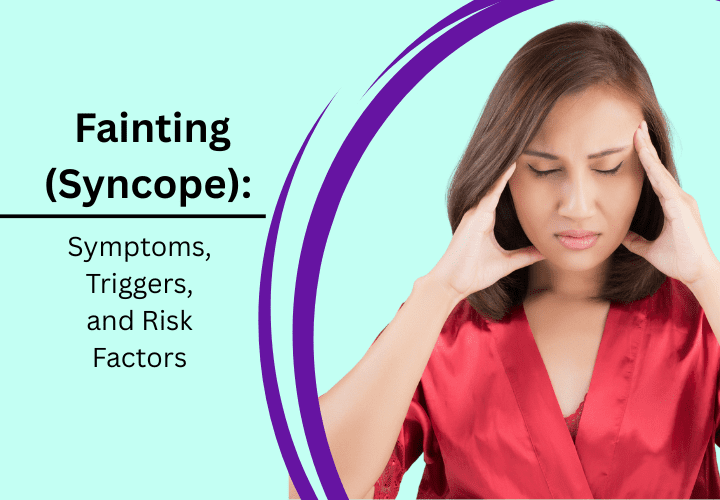
Fainting (Syncope): Symptoms, Triggers, and Risk Factors
- onco
- August 13, 2025
Fainting, also known as syncope, is a sudden, brief loss of consciousness caused by a temporary decrease in blood flow to the brain. While fainting can be harmless in some cases, it may also signal an underlying health condition that requires medical attention. Understanding the symptoms, triggers, and risk factors of fainting can help you take timely action and prevent serious complications.
What is Syncope?
Syncope is not a disease itself but a symptom of other health conditions. It occurs when there is an interruption in the brain’s blood supply, leading to a brief loss of consciousness. Most episodes are short-lived, and the person regains consciousness within seconds or minutes. However, frequent or unexplained fainting should not be ignored, as it could indicate heart problems, neurological issues, or metabolic disorders.
Common Symptoms Before Fainting
Many people experience warning signs before fainting, which are known as pre-syncope symptoms. Recognizing these can help prevent falls or injuries:
- Dizziness or light-headedness
- Blurred vision or tunnel vision
- Sudden weakness
- Cold, clammy skin
- Nausea
- Sweating
- Ringing in the ears
- Confusion or difficulty speaking
If you notice these symptoms, try to lie down or sit with your head between your knees to restore blood flow to the brain.
Triggers of Fainting
Fainting episodes can be triggered by various factors, which are often related to sudden changes in blood pressure, emotional stress, or underlying health conditions. Some common triggers include:
- Sudden Postural Changes
Standing up too quickly from a sitting or lying position can cause a sudden drop in blood pressure, known as orthostatic hypotension.
- Dehydration
Lack of fluids in the body reduces blood volume, making it harder for the heart to pump enough blood to the brain.
- Emotional Stress
Fear, anxiety, or pain can stimulate the vagus nerve, slowing the heart rate and lowering blood pressure.
- Overheating
Prolonged exposure to heat can cause blood vessels to dilate, reducing blood flow to the brain.
- Physical Exertion
Strenuous exercise, especially in hot conditions, can lead to fainting due to dehydration or overheating.
- Medical Conditions
Heart problems, neurological disorders, anemia, and even certain types of cancer can lead to fainting spells.
Risk Factors for Syncope
While fainting can affect anyone, certain groups are at higher risk:
- Age – Older adults are more prone to fainting due to age-related changes in blood pressure regulation.
- Heart Conditions – Arrhythmias, valve problems, or a history of heart attack increase risk.
- Neurological Disorders – Conditions like Parkinson’s disease can cause blood pressure regulation issues.
- Medication Side Effects – Drugs for high blood pressure, depression, or diuretics can cause dizziness and fainting.
- Cancer and Chronic Illness – Certain cancers, cancer treatments, or severe chronic conditions can weaken the body and increase fainting episodes.
When to Seek Medical Help
While a single fainting episode may not be dangerous, repeated or unexplained fainting should be evaluated by a healthcare professional. Seek immediate medical attention if fainting is accompanied by:
- Chest pain
- Irregular heartbeat
- Shortness of breath
- Confusion
- Prolonged unconsciousness
- Loss of bladder or bowel control
These symptoms could indicate a serious underlying condition such as a heart attack, stroke, or severe neurological disorder.
Diagnosis of Fainting
Doctors use various tests to identify the cause of fainting:
- Medical history review
- Physical examination
- Electrocardiogram (ECG)
- Blood tests
- Tilt-table test (to check blood pressure and heart rate changes)
- Imaging tests like echocardiograms or MRI scans if needed
Prevention Tips for Fainting
Preventing fainting involves addressing the underlying cause and adopting healthy habits:
- Stay hydrated and maintain a balanced diet.
- Avoid standing for long periods without moving.
- Rise slowly from sitting or lying positions.
- Manage stress with relaxation techniques like deep breathing.
- Wear compression stockings if recommended by a doctor.
- Follow prescribed treatment plans for heart or neurological conditions.
Fainting and Cancer Patients
People undergoing cancer treatment, especially chemotherapy, may experience fainting due to side effects such as anemia, dehydration, or weakness. If you or your loved one is receiving treatment at a cancer hospital in Delhi, inform your oncologist about any fainting episodes immediately. Early medical evaluation ensures better management and safety during cancer care.
Why Choose Expert Medical Care in Delhi?
Delhi is home to some of the best healthcare facilities, including specialized heart centers and advanced cancer hospitals that provide comprehensive diagnostic and treatment options. Timely consultation with a cardiologist or neurologist can help detect the root cause of fainting and prevent complications.
Conclusion
Fainting, or syncope, can be a harmless reaction to temporary changes in blood pressure, but it can also signal more serious health concerns. Understanding the symptoms, triggers, and risk factors helps in early detection and effective management. Whether it’s caused by dehydration, stress, or an underlying medical condition, prompt evaluation is key to preventing future episodes.
If you experience frequent fainting spells—especially if you have a chronic illness or are undergoing cancer treatment—don’t delay seeking expert care. In Delhi, world-class medical facilities, including leading cancer hospitals, are equipped to provide comprehensive diagnosis and treatment, ensuring your health and safety.
Read More Blog: Gallbladder Wall Thickening and Cancer: Symptoms, Risks, and Diagnosis
: Metastatic Squamous Neck Cancer: A Comprehensive Guide
: The Key Roles of Oncologists: A Guide to Cancer Treatment Specialists
Recent Posts
-

Best Oncology Hospital in Delhi – A Caring Guide for Patients & Families
February 17, 2026
-

Liver Health Prevention – NAFLD, NASH, and Liver Disease
January 27, 2026