How to Improve Your Sleep Health After a Cancer Diagnosis
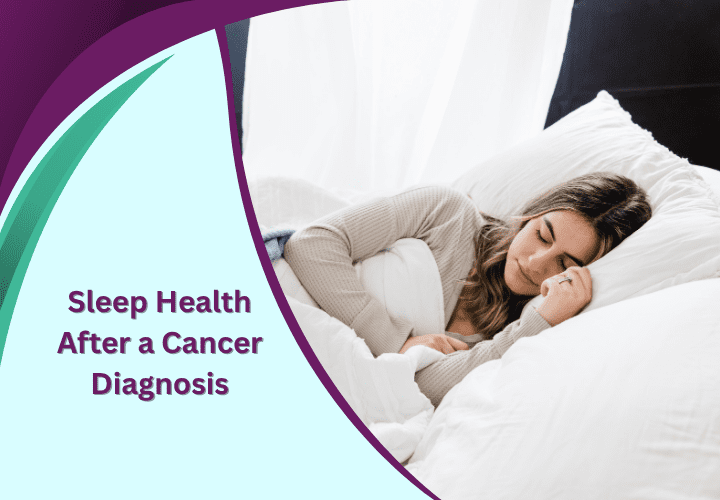
How to Improve Your Sleep Health After a Cancer Diagnosis
- onco
- May 15, 2025
A cancer diagnosis can shake every corner of your life, and one of the most immediate effects is often poor sleep. Whether it’s caused by emotional stress, physical discomfort, or treatment side effects, sleep disturbances are incredibly common in cancer patients and survivors. Yet, sleep is vital for healing, immune function, and emotional resilience.
In this guide, we explore how to improve your sleep health after a cancer diagnosis—with practical, gentle strategies that support both your body and mind.
Why Sleep Matters During and After Cancer Treatment
Sleep is not just a passive activity—it’s a deeply restorative process. During sleep, your body repairs tissues, balances hormones, and processes emotions. For someone dealing with cancer, quality sleep supports treatment outcomes, reduces fatigue, and boosts immunity.
Poor sleep can worsen pain, mood swings, and even increase inflammation. That’s why it’s essential to prioritize sleep health as a core part of cancer care.
Understanding the Root Causes of Sleep Problems After Diagnosis
Sleep disturbances can stem from several cancer-related factors:
- Anxiety or depression due to the emotional toll of diagnosis
- Pain or discomfort from tumors, surgery, or treatment
- Side effects of chemotherapy or radiation, including hot flashes, nausea, and fatigue
- Medications that alter your sleep-wake cycle
- Hospital stays or irregular routines that disrupt normal sleep habits
Each patient’s experience is different, so it’s important to take a personalized approach to improving sleep.
Create a Healing Sleep Environment
One of the simplest and most effective ways to improve sleep is to transform your bedroom into a sanctuary of rest.
Here’s how:
- Keep your room cool, dark, and quiet. Light and noise interfere with melatonin production.
- Use blackout curtains or a sleep mask to block light.
- Try a white noise machine or calming sleep sounds to drown out disruptions.
- Invest in a supportive mattress and pillows to reduce pain-related sleep disturbances.
- Remove screens (phones, TVs) at least 30–60 minutes before bedtime to avoid blue light exposure.
By creating an environment that encourages deep rest, you send signals to your brain that it’s time to relax and recover.
Follow a Gentle Sleep Routine
A consistent routine tells your body when to wind down. After a cancer diagnosis, it’s helpful to simplify your evenings with calming rituals that promote sleep readiness.
Try these gentle steps:
- Stick to the same bedtime and wake-up time, even on weekends.
- Wind down slowly with relaxing activities like reading, meditation, or listening to soft music.
- Avoid stimulating activities, including scrolling social media, news watching, or heavy conversations.
- Drink herbal teas, such as chamomile or valerian, which have mild sedative properties.
- Dim the lights after sunset to help your body transition naturally to sleep.
This kind of routine fosters better sleep health for cancer patients by aligning with the body’s natural circadian rhythms.
Mind-Body Techniques That Help You Sleep Better
Sleep is closely connected to mental wellness. Managing stress through mind-body techniques can dramatically improve your ability to fall and stay asleep.
Here are some techniques that work:
- Progressive Muscle Relaxation (PMR): Tense and relax muscles one by one to release physical stress.
- Guided Meditation or Yoga Nidra: These help quiet the mind and ease anxiety before bed.
- Deep Breathing Exercises: Try the 4-7-8 breathing method to slow your heart rate and calm your nervous system.
- Journaling: Writing out your worries before bedtime can help “offload” anxious thoughts.
Studies show that integrating mindfulness practices into cancer care improves both psychological health and sleep quality.
Manage Physical Side Effects That Interrupt Sleep
Some sleep problems stem from treatment side effects such as nausea, night sweats, neuropathy, or pain. Work with your care team to address these issues proactively.
Tips include:
- Taking medications earlier in the day to minimize nighttime effects
- Using cooling blankets for hot flashes or night sweats
- Elevating your legs or using cushions to reduce discomfort
- Speaking with your doctor about non-habit-forming sleep aids if necessary
- Tracking your symptoms and sleep in a journal to identify patterns and triggers
Managing physical discomfort goes hand in hand with improving your overall sleep health after a cancer diagnosis.
Rebuild Daytime Habits That Support Nighttime Sleep
What you do during the day influences how well you sleep at night. Patients recovering from cancer often experience fatigue, but oversleeping during the day can backfire at night.
Here’s what helps:
- Get sunlight exposure early in the morning to regulate your body clock.
- Avoid long naps—keep them under 30 minutes and before 2 PM.
- Engage in light physical activity, like stretching or walking, to improve circulation and promote natural tiredness.
- Stay socially connected, even through virtual means, to reduce feelings of isolation and depression.
Rebuilding your routine may take time, but small, consistent steps go a long way in restoring balance.
Know When to Seek Help
Sleep disorders like insomnia, sleep apnea, or restless leg syndrome can be more common after cancer treatment. If sleep issues persist for more than a few weeks or interfere with daily functioning, it’s important to seek professional help.
You might benefit from:
- Cognitive Behavioral Therapy for Insomnia (CBT-I)
- A referral to a sleep specialist
- Medication review to adjust sleep-disrupting drugs
- Nutritional advice if food habits are affecting sleep
Taking sleep concerns seriously and discussing them with your oncologist or a behavioral health provider is a powerful act of self-care.
Conclusion: Sleep Is Part of the Healing Process
Improving your sleep health after a cancer diagnosis isn’t just about feeling more rested—it’s about equipping your body and mind for the journey ahead. While poor sleep may feel inevitable during this challenging time, it’s not permanent. With thoughtful changes to your environment, habits, and mindset, you can reclaim your rest—one night at a time.
Remember: healing happens when the body is at peace. And sleep is one of the most essential, natural tools for recovery.
Recent Posts
-

Best Oncology Hospital in Delhi – A Caring Guide for Patients & Families
February 17, 2026
-

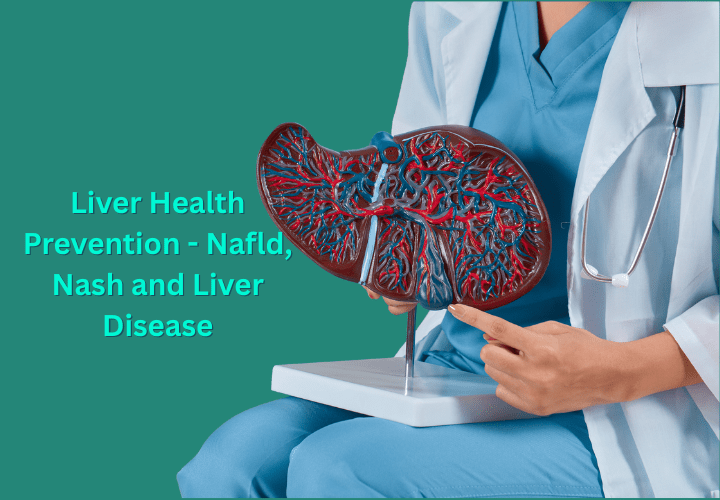
Liver Health Prevention – NAFLD, NASH, and Liver Disease
January 27, 2026


Leave a Reply