Immunotherapy for Cancer: A Modern Approach to Cancer Treatment
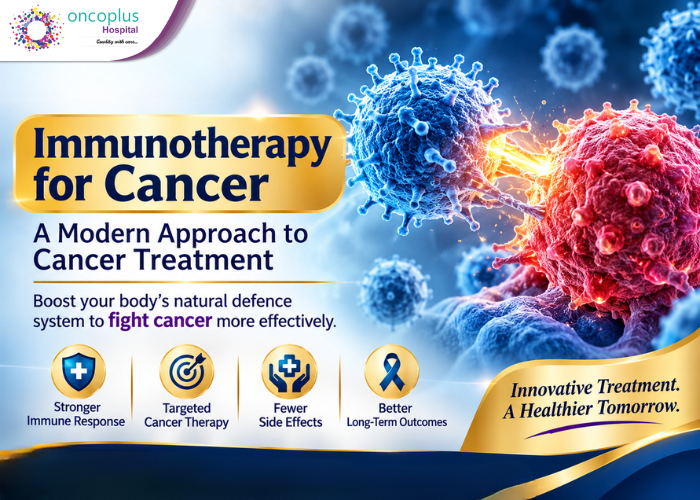
Immunotherapy for Cancer: A Modern Approach to Cancer Treatment
- onco
- November 5, 2026
Cancer treatment has evolved significantly over the years, introducing innovative approaches that go beyond conventional surgery, chemotherapy and radiation therapy. One such advancement is immunotherapy for cancer, a treatment approach that uses the body’s own immune system to recognise and fight cancer cells.
Unlike treatments that directly target cancer cells, immunotherapy helps the immune system identify and respond to cancer more effectively. It has become an important treatment option for certain types of cancer, particularly when specific medical and tumour-related factors indicate that a patient may benefit from it.
But is immunotherapy suitable for every cancer patient? How does it work, and what should patients know before considering it? Understanding these questions can help patients and families make more informed decisions about their cancer treatment journey.
What Is Immunotherapy for Cancer?
Immunotherapy is a type of cancer treatment that strengthens or guides the body’s immune response to fight cancer. The immune system naturally protects the body against infections and abnormal cells. However, some cancer cells develop mechanisms that help them escape immune detection.
Immunotherapy works by helping the immune system recognise these cancer cells or improving its ability to attack them.
Depending on the cancer type and treatment approach, immunotherapy may be recommended:
- As an individual treatment.
- Alongside chemotherapy or radiation therapy.
- Before or after surgery in selected cases.
- For certain advanced or recurrent cancers.
The suitability of treatment depends on the patient’s diagnosis, cancer stage, overall health and relevant tumour characteristics.
How Does Immunotherapy Work Against Cancer?
Cancer cells can sometimes avoid the body’s natural defence mechanisms by sending signals that suppress immune activity. This makes it difficult for immune cells, particularly T-cells, to recognise and destroy them.
Immunotherapy helps overcome these barriers through different mechanisms.
For example, immune checkpoint inhibitors block specific proteins, such as PD-1, PD-L1 or CTLA-4, that normally regulate immune responses. Blocking these signals can allow T-cells to recognise and attack cancer cells more effectively.
Think of the immune system as a security team protecting a building. Cancer cells may find ways to disguise themselves or switch off the security alarms. Immunotherapy helps the security team identify the threat and respond more effectively.
However, the response varies between individuals, and immunotherapy does not guarantee successful treatment.
Different Types of Immunotherapy Cancer Treatment
Not all immunotherapy treatments work in the same way. Oncologists select an appropriate approach based on the cancer diagnosis and available medical evidence.
- Immune Checkpoint Inhibitors
These medicines block proteins that prevent immune cells from attacking cancer cells. They are used for selected cancers, including certain lung cancers, melanoma, kidney cancers and other tumour types.
- Monoclonal Antibodies
These laboratory-developed antibodies target specific proteins or markers associated with cancer cells. Some help the immune system identify cancer cells, while others interfere with processes that support tumour growth.
- CAR T-Cell Therapy
This specialised treatment involves collecting a patient’s T-cells, modifying them in a laboratory to recognise particular cancer targets, and returning them to the body.
CAR T-cell therapy is used for certain blood cancers and requires specialised treatment facilities.
- Cancer Treatment Vaccines
Unlike preventive vaccines, cancer treatment vaccines are designed to stimulate an immune response against existing cancer cells. Their use depends on the specific cancer and approved treatment indications.
- Immune System Modulators
These treatments influence immune activity to improve the body’s ability to respond to cancer. Different medicines work through different immune pathways.
Which Cancers Can Be Treated With Immunotherapy?
Immunotherapy is used for selected patients with several types of cancer. Its effectiveness and suitability depend on the particular medicine, cancer stage and tumour characteristics.
Some cancers for which immunotherapy may be considered include:
- Lung Cancer: Certain non-small cell and small cell lung cancer treatment plans may include immunotherapy.
- Breast Cancer: Selected triple-negative breast cancer cases may benefit from specific immunotherapy-based treatment combinations.
- Kidney Cancer: Immune checkpoint inhibitors are used in certain kidney cancer treatment plans.
- Melanoma: Immunotherapy is an established option for selected patients with advanced melanoma.
- Bladder Cancer: Certain bladder cancer cases may be treated using immune-based medicines.
- Colorectal Cancer: Selected tumours with specific molecular characteristics may respond to immunotherapy.
- Head and Neck Cancer: Immunotherapy may be considered in particular advanced or recurrent cases.
Importantly, having one of these cancer diagnoses does not automatically make someone eligible for immunotherapy. Medical evaluation and appropriate testing are essential.
Who Is Eligible for Immunotherapy?
One of the most important aspects of immunotherapy cancer treatment is patient selection.
Before recommending treatment, an oncologist may consider several factors:
Cancer type and stage: Different immunotherapy medicines are approved or recommended for specific cancer types and stages.
Biomarker testing: Tests such as PD-L1 expression, MSI-H/dMMR status and, in selected situations, tumour mutational burden (TMB) can help guide treatment decisions.
Overall health: Existing medical conditions, organ function and previous treatments may influence the choice of therapy.
Treatment history: The patient’s response to earlier chemotherapy, radiation or targeted therapy may also be relevant.
For example, two patients with the same type of cancer may receive different treatment recommendations because their tumour biomarkers and medical histories differ.
This is why personalised treatment planning is essential.
Benefits and Possible Side Effects of Immunotherapy
Immunotherapy offers several potential advantages for appropriately selected patients.
Some important benefits include:
- Uses the immune system to help fight cancer.
- May provide long-lasting responses in some patients.
- Can be combined with other cancer treatments when medically appropriate.
- Offers additional treatment possibilities for certain advanced cancers.
- May be effective in selected cancers where other treatment approaches have limited benefits.
However, immunotherapy also has potential side effects. Because it activates or modifies immune responses, the immune system may sometimes attack healthy tissues.
Possible side effects include:
- Fatigue and weakness.
- Skin rashes or itching.
- Diarrhoea or abdominal discomfort.
- Thyroid-related hormonal changes.
- Inflammation affecting the lungs, liver, kidneys or other organs.
Some immune-related reactions can become serious and require prompt medical attention. New or worsening symptoms, including breathing difficulties, persistent diarrhoea, jaundice or unusual weakness, should be reported to the treating medical team immediately.
Patients should never stop treatment or start medication independently without consulting their oncologist.
Immunotherapy in Delhi: Why Personalised Cancer Care Matters
Choosing the right cancer treatment involves more than selecting a medicine. Patients need an individualised treatment strategy based on accurate diagnosis, appropriate investigations and continuous medical monitoring.
For patients exploring immunotherapy in Delhi, consulting an experienced oncology team can help clarify whether this treatment is appropriate for their condition.
Before starting treatment, patients should discuss:
- Whether immunotherapy is suitable for their cancer type and stage.
- Which biomarker tests may be necessary.
- Expected benefits and possible treatment limitations.
- Whether immunotherapy should be combined with other treatments.
- How side effects will be monitored and managed.
- The expected treatment schedule and follow-up requirements.
At Oncoplus Hospital, patients can seek medical guidance to understand their cancer diagnosis and explore appropriate treatment options. A personalised discussion with an oncology specialist can help patients make informed decisions based on their individual medical needs.
Conclusion
Immunotherapy for cancer represents an important development in modern oncology by helping the body’s immune system recognise and fight cancer cells. From immune checkpoint inhibitors to advanced cell-based therapies, these approaches have expanded treatment possibilities for patients with selected cancers.
However, immunotherapy is not a universal solution. Its suitability depends on cancer type, tumour biomarkers, disease stage and the patient’s overall health.
Understanding available treatment options and seeking timely specialist guidance can make a meaningful difference in planning cancer care.
Looking for guidance on advanced cancer treatment options? Connect with Oncoplus Hospital to consult an oncology specialist and understand whether immunotherapy may be appropriate for your condition.
Frequently Asked Questions (FAQs)
- What is immunotherapy for cancer?
Immunotherapy is a cancer treatment that helps the body’s immune system recognise and attack cancer cells. It uses medicines or specialised immune-based approaches to improve the immune response against cancer.
- Is immunotherapy better than chemotherapy?
Neither treatment is universally better. Immunotherapy and chemotherapy work differently and are suitable for different medical situations. In some cases, doctors recommend combining both approaches.
- Which cancer types respond to immunotherapy?
Selected lung, breast, kidney, bladder, colorectal, head and neck cancers and melanoma may be treated with immunotherapy. Response depends on cancer type, stage, biomarkers and the specific treatment.
- What are the common side effects of immunotherapy?
Common side effects include fatigue, skin rash, itching and diarrhoea. Some patients may develop immune-related inflammation affecting organs such as the lungs, liver or thyroid.
- How long does immunotherapy treatment take?
Treatment duration varies according to the cancer type, medicine, treatment response and patient’s health. Some treatments are administered every few weeks, while others follow different schedules.
- How can I explore immunotherapy in Delhi?
Start by consulting an oncology specialist who can review your diagnosis, previous treatment records, cancer stage and relevant biomarker reports. The specialist can then determine whether immunotherapy is an appropriate option.
Recent Posts
-

Immunotherapy for Cancer: A Modern Approach to Cancer Treatment
November 5, 2026