Hormonal Therapy for Cancer: Types, Benefits & Treatment Options
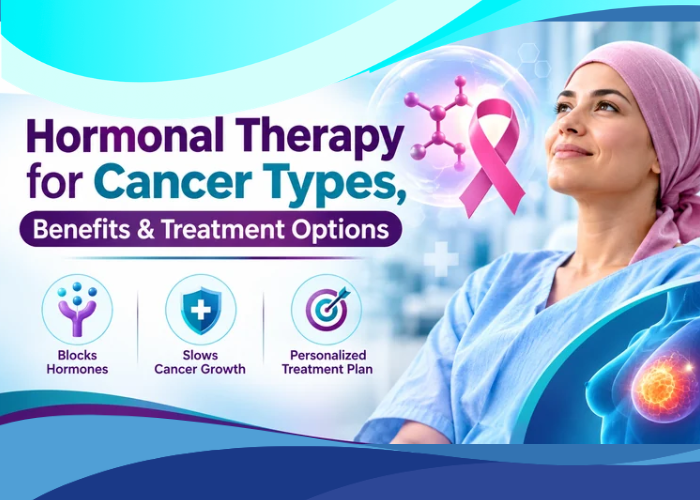
Hormonal Therapy for Cancer: Types, Benefits & Treatment Options
- onco
- November 13, 2026
Cancer treatment is not always about destroying cancer cells directly. In certain cancers, controlling the hormones that support tumour growth can be an equally important part of treatment. This is where Hormonal Therapy plays a significant role in modern oncology.
Hormonal therapy, also known as endocrine therapy, is a treatment that blocks the production of specific hormones or prevents them from stimulating cancer cells. It is commonly used for hormone-sensitive breast and prostate cancers and may be combined with surgery, chemotherapy, radiation therapy or targeted therapy.
However, hormonal therapy is not suitable for every cancer patient. Its effectiveness depends on the cancer type, hormone receptor status, disease stage and individual health factors. Understanding how it works can help patients make better-informed treatment decisions.
What Is Hormonal Therapy for Cancer?
Hormonal therapy is a cancer treatment that reduces the effect of hormones on cancer cells or limits the body’s production of hormones that encourage tumour growth.
Certain cancers depend on hormones such as:
- Estrogen: Can encourage the growth of some breast cancer cells.
- Progesterone: Can support the growth of certain hormone-sensitive breast tumours.
- Testosterone: Can stimulate the growth of many prostate cancer cells.
For example, some breast cancer cells have receptors that allow estrogen or progesterone to attach to them. When these hormones bind to the receptors, they can send signals that encourage cancer cells to grow.
Hormonal therapy interrupts this process by reducing hormone levels or blocking the receptors.
Unlike chemotherapy, which targets rapidly dividing cells, hormonal therapy focuses on the hormonal signals that influence cancer growth.
How Does Hormonal Therapy Work?
The working principle of hormonal therapy is relatively straightforward: remove the growth signals that certain cancer cells depend on.
Depending on the treatment, doctors may use different approaches:
- Reduce the amount of hormones produced by the body.
- Block hormones from attaching to cancer cell receptors.
- Prevent cancer cells from using hormonal signals.
- Suppress the activity of hormone-producing organs when medically necessary.
The treatment approach depends on the cancer diagnosis and the patient’s hormonal status.
For instance, a patient with estrogen receptor-positive breast cancer may receive medication that blocks estrogen receptors, while someone with prostate cancer may receive treatment that reduces testosterone production or blocks androgen activity.
Different Types of Hormonal Therapy Treatment
Hormonal therapy includes several treatment categories. The choice depends on which hormone influences the cancer and how the disease responds to treatment.
- Selective Estrogen Receptor Modulators (SERMs)
SERMs block or modify estrogen’s effects in specific tissues. They are commonly used in hormone receptor-positive breast cancer.
Examples include:
- Tamoxifen
- Toremifene
Tamoxifen, for example, blocks estrogen receptors in breast tissue, helping prevent estrogen from stimulating sensitive cancer cells.
- Aromatase Inhibitors
Aromatase inhibitors reduce estrogen production by blocking an enzyme called aromatase. This enzyme helps the body produce estrogen in tissues outside the ovaries.
Common medicines include:
- Anastrozole
- Letrozole
- Exemestane
These medicines are frequently prescribed to postmenopausal women with hormone receptor-positive breast cancer. In selected premenopausal patients, they may be used alongside ovarian suppression.
- Ovarian Suppression Therapy
The ovaries produce most of the estrogen in premenopausal women. Ovarian suppression reduces this production through medication, surgery or, in selected situations, radiation.
Medicines such as goserelin and leuprolide may be used for temporary ovarian suppression.
This approach may be combined with other hormonal medicines when clinically appropriate.
- Androgen Deprivation Therapy (ADT)
Androgen deprivation therapy is an important form of hormonal treatment for prostate cancer.
It works by lowering testosterone levels or preventing testosterone from stimulating prostate cancer cells.
Treatment options may include:
- GnRH agonists and antagonists.
- Anti-androgen medicines.
- Medicines that reduce androgen production.
- Surgical removal of the testicles in selected cases.
The specific approach depends on the stage of prostate cancer and previous treatment response.
- Selective Estrogen Receptor Degraders (SERDs)
SERDs bind to estrogen receptors and promote their breakdown, reducing the ability of cancer cells to respond to estrogen.
Fulvestrant is an example used in selected hormone receptor-positive breast cancer cases.
Some newer medicines in this category may also be considered depending on the cancer subtype and approved treatment indications.
Recent Posts
-

Hormonal Therapy for Cancer: Types, Benefits & Treatment Options
November 13, 2026
-
Immunotherapy for Cancer: A Modern Approach to Cancer Treatment
November 5, 2026