Eating for Health: Foods to Avoid and Include in Your Diet to Reduce Cancer Risk
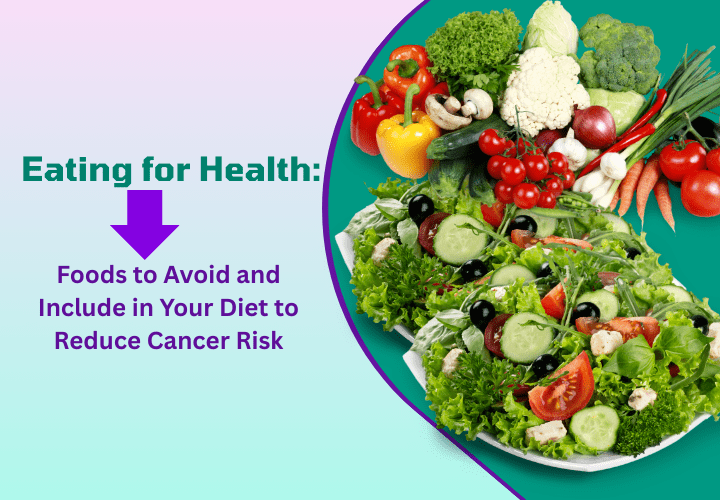
Eating for Health: Foods to Avoid and Include in Your Diet to Reduce Cancer Risk
- onco
- September 5, 2025
What you eat every day can do more than just fuel your body; it also plays an important role in protecting your long-term health. Research shows that certain foods can help lower the risk of chronic diseases, including cancer. By choosing nutrient-rich, anti-inflammatory options and avoiding foods linked to cell damage, you can support your body’s natural defences. In this article, we’ll explore Cancer risk reduction foods you can add to your daily meals to help reduce risk and promote a healthier, more resilient life.
Diet and Cancer Prevention
The foods we eat have a significant influence on our overall health. An unhealthy diet is widely recognised as a key factor in the onset of several major diseases, including cardiovascular conditions, cancer, and diabetes. Diets high in calories and unhealthy fats can lead to obesity, a major risk factor for several chronic diseases. On the other hand, growing research suggests that certain foods may help lower these risks and support long-term health. So, what should we eat to stay healthy and protect ourselves against disease? Let’s take a closer look.
Healthy Food Choices You Can Make
Fruits and vegetables offer numerous health benefits, as they contain vitamins, minerals, and antioxidants that may help reduce the risk of cancer. However, there are few specific foods which an individual can add to the diet –
Broccoli
Broccoli contains sulforaphane, a plant compound that’s found in cruciferous vegetables and may have potent anticancer properties. Having broccoli in a few meals per week provides cancer-fighting benefits.
Carrots
Carrots are rich in beta-carotene, fibre, vitamins, and antioxidants that support overall health. Regular consumption may also lower the risk of chronic diseases like heart problems and certain cancers while keeping the body energized. Adding carrots as a snack or side dish a few times a week can boost your intake.
Beans
Beans are high in fibre, and are one of the Cancer risk reduction foods. You can include carrots in your diet as a healthy snack or a side dish to increase consumption and thereby reduce the risk of cancer.
Berries
Berries are rich in anthocyanin’s plant pigments with anti-oxidant properties that may help lower cancer risk. Therefore, eating berries may help reduce the risk of cancer development.
Cinnamon
Cinnamon is known for its numerous health benefits, as its ability to lower blood sugar levels is one of them. Its antioxidant properties help the body to resist oxidative stress and inflammation.
Nuts & Seeds
Nuts possess antioxidants, healthy fats, and bioactive compounds that support overall health. It should be consumed in moderation preferably unsalted & unroasted for maximum benefits.
Olive Oil
Olive oil, especially extra virgin olive oil, is considered one of the healthiest fats and plays a vital role in promoting overall well-being. The intake of olive oil may help protect against cancer.
Citrus Fruits
Citrus fruits are packed with Vitamin C and antioxidants that boost immunity, protect against cell damage, and promote healthy skin. Their high fibre aids digestion and supports heart health by lowering cholesterol and blood pressure.
Since diet is a major factor in disease, adding the right foods to your meals can help you stay healthier in the long run.
Foods to avoid that may increase cancer risk
A high-energy, low-fibre diet may increase a person’s risk of developing cancer; some foods have also been signalled as potentially causing cancer (carcinogenic). These may include:
Alcohol
Consuming alcohol raises the risk of cancer, with an even higher risk among smokers. Even small amounts can be harmful. To reduce disease risk, individuals should limit their intake to fewer than two standard drinks per day.
Processed Meat
Processed meat is considered one of the most harmful dietary contributors to cancer. These meats are preserved through methods such as salting, canning, smoking, or curing, all of which can introduce harmful compounds into the body. Common examples include sausages, beef jerky, and salami.
Refined Foods
Refined sugar and flour can increase the chance of developing cancerous cells. Studies have shown that processed sugar and carbohydrates can lead to oxidative stress and inflammation in the body. It can directly lead to various cancer variants. Replacing refined foods with whole-grain foods is a smart switch for better health.
Overcooked Foods
Overcooked foods can produce carcinogens such as acrylamide and heterocyclic amines, which may increase cancer risk if consumed regularly. It is often the case with meats that are overcooked, which increases the chances of cancer. Cooking methods such as grilling, pan-frying, and barbecuing should be avoided as these involve high temperatures.
Sugar-Sweetened Beverages
An individual should eliminate sugary drinks, as their high-calorie content often results in weight gain. If soda and artificial fruit juice are consumed frequently and for a long time, then they may increase the chances of cancer.
Eliminating the aforementioned foods from your diet plays a vital role in promoting overall health and long-term wellness.
Conclusion
Many factors can cause cancer, but making minor adjustments in diet and lifestyle can promote healthy living. There is a strong link between diet and cancer prevention, as dietary habits are a significant factor in the development of many diseases. High-energy and high-fat diets may lead to obesity, which is linked to an increased risk of certain cancers. While factors like family history and genetics cannot be changed, individuals can lower their risk by making healthier choices. Incorporating nutrient-rich, wholesome foods into the diet can help support overall health and reduce cancer risk.
Recent Posts
-

Pancreatic Cancer Treatment: Symptoms, Stages, Treatment Options & Prognosis
September 25, 2026
-
How to Boost Immune System Recovery After Chemo Naturally
September 21, 2026