How to Boost Immune System Recovery After Chemo Naturally
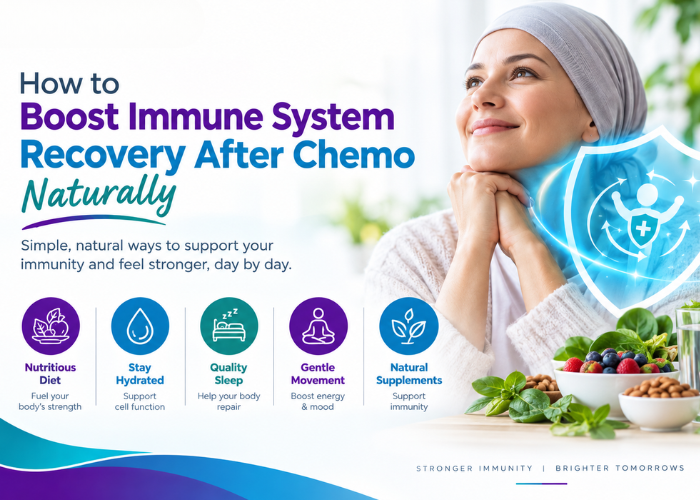
How to Boost Immune System Recovery After Chemo Naturally
- onco
- September 22, 2026
Chemotherapy is an important cancer treatment, but it can also affect healthy cells, including blood cells involved in fighting infections. During and after treatment, some people experience fatigue, reduced appetite, nausea, taste changes, weight loss or nutritional deficiencies.
The good news is that healthy nutrition, adequate hydration, appropriate physical activity, quality sleep and infection-prevention habits can support the body’s recovery. Here’s how to Boost Immune System function naturally and safely after chemotherapy.
Why Is Immune System Recovery After Chemotherapy Important?
Chemotherapy can temporarily reduce infection-fighting white blood cells. This may make it more difficult for the body to fight infections, particularly when blood counts are low.
Recovery isn’t simply about taking vitamins. The body needs adequate calories, protein, fluids and micronutrients to repair tissues, maintain muscle and support normal immune function.
The American Cancer Society notes that good nutrition can help people maintain strength, energy and nutritional stores and may help reduce infection risk and support recovery.
Read More Blog: Chemotherapy Some Surprising Things You May Not Know
7 Natural Ways to Boost Immunity After Chemo
-
Eat a Protein-Rich, Balanced Diet
Protein is essential for tissue repair and maintaining muscle. Include a variety of nutritious protein sources according to your dietary preferences and medical needs.
Good choices may include:
- Eggs
- Fish and poultry
- Milk, curd and other dairy products
- Beans and lentils
- Peas
- Soy foods
- Nuts and nut butters
- Tofu
A balanced diet should also contain vegetables, fruits, whole grains and healthy fats.
If mouth sores, difficulty swallowing or digestive problems make eating difficult, speak with your oncology team or a qualified dietitian rather than forcing foods that worsen symptoms.
-
Choose Colorful Fruits and Vegetables
Fruits and vegetables provide vitamins, minerals, fiber and other naturally occurring compounds that contribute to overall health.
Try including different colors throughout the week, such as:
- Leafy green vegetables
- Carrots
- Pumpkin
- Berries
- Apples
- Citrus fruits
- Tomatoes
- Beans and other vegetables
However, no particular fruit or vegetable can cure cancer or guarantee faster immune recovery. Nutrition works as part of an overall recovery plan.
-
Stay Properly Hydrated
Chemotherapy and its side effects can sometimes make maintaining fluid intake difficult. Adequate hydration supports normal body functions and can be particularly important when appetite is reduced.
Depending on your doctor’s advice, fluids can include:
- Water
- Soups and broths
- Milk
- Unsweetened beverages
- Hydrating foods such as fruits
If you have kidney, heart or other conditions requiring fluid restriction, follow your healthcare team’s recommendations instead.
-
Follow Food-Safety Practices
When immune defenses are weakened, foodborne infections can become more concerning. NCI recommends careful food handling and preparation for people whose cancer treatment weakens the immune system.
For safer eating:
- Wash fruits and vegetables properly.
- Wash your hands before preparing food.
- Keep raw and cooked foods separate.
- Cook meat, poultry, eggs and seafood thoroughly.
- Refrigerate perishable foods promptly.
- Avoid foods that your oncology team has advised you to avoid.
Food safety is especially important when white blood cell counts are low.
-
Add Physical Activity Gradually
Rest is important during recovery, but complete inactivity may contribute to muscle loss and reduced physical function.
When your cancer care team says it is safe, gradually introduce activities such as:
- Short walks
- Gentle stretching
- Breathing exercises
- Light strengthening exercises
Your activity level should match your energy, treatment history and medical condition. The American Cancer Society notes that physical activity can improve quality of life, energy and coping with treatment-related side effects.
-
Prioritize Sleep and Stress Management
Quality sleep gives the body time to rest and recover. Establish a consistent sleep routine and create a comfortable, quiet sleeping environment.
Stress-management practices such as gentle breathing, meditation, relaxing music, reading or spending time with supportive family members may also help improve overall well-being.
Remember that recovery is not a race. Fatigue after cancer treatment can take time to improve.
-
Be Careful With Supplements and Herbal Remedies
This is one of the most important points when trying to Boost Immune System function after chemotherapy.
“Natural” does not automatically mean safe. Certain herbs, supplements and concentrated antioxidants can interact with cancer medicines or affect how drugs are processed in the body.
Therefore, don’t start high-dose vitamin, antioxidant, herbal or immunity supplements without discussing them with your oncologist.
A doctor or registered dietitian can determine whether you actually have a nutritional deficiency and whether supplementation is appropriate.
What Should You Avoid After Chemotherapy?
During recovery, avoid relying on:
- “Cancer cure” diets
- Extreme fasting without medical supervision
- Unverified herbal mixtures
- High-dose supplements
- Detox products
- Raw or undercooked foods when your immune system is weakened
- Alcohol if your medical team recommends avoiding it
There is currently no diet, vitamin, mineral, herb or supplement proven to cure cancer or prevent it from returning.
When Should You Contact Your Cancer Care Team?
Do not assume every symptom after chemotherapy is simply part of recovery. Contact your healthcare team promptly if you develop symptoms such as fever, chills, persistent vomiting, severe diarrhea, difficulty breathing, unusual bleeding or rapidly worsening weakness.
Your oncology team may monitor blood counts and other health indicators to determine how your body is recovering.
Frequently Asked Questions
Can I boost my immune system naturally after chemotherapy?
You can support immune health through adequate nutrition, protein, hydration, safe physical activity, sleep and infection-prevention practices. However, there is no guaranteed natural method that instantly restores immunity.
What foods help immune system recovery after chemotherapy?
A varied diet containing vegetables, fruits, whole grains, legumes, protein-rich foods and healthy fats can support overall nutritional recovery. Individual food choices should be adapted to treatment side effects and medical conditions.
Should I take vitamin supplements after chemotherapy?
Only when recommended by your healthcare professional. Some supplements can interact with cancer medicines, so discuss vitamins, antioxidants and herbal products with your oncology team first.
How long does immune recovery take after chemotherapy?
There is no universal timeline. Recovery varies according to the chemotherapy regimen, cancer type, blood counts, other treatments, nutrition and overall health. Your oncologist can provide guidance based on your individual recovery.
Support Your Recovery With Expert Cancer Care
Recovering after chemotherapy involves more than completing treatment. Nutrition, infection prevention, physical activity, emotional well-being and regular medical follow-up can all be important parts of the journey.
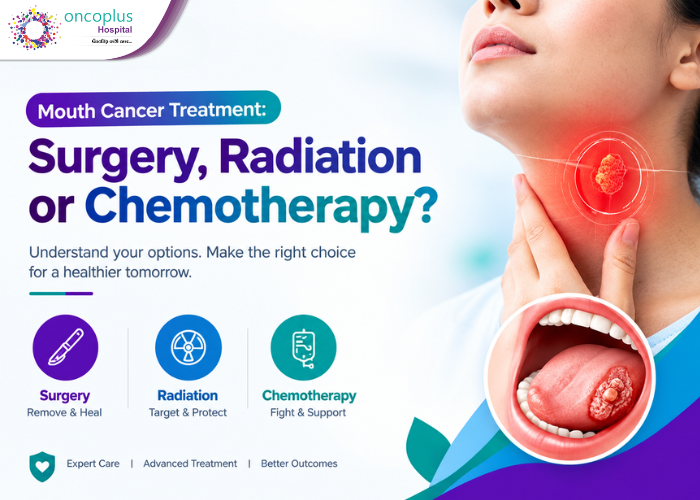
At Oncoplus Hospital, patients can access comprehensive cancer care for conditions including Mouth Cancer, Blood Cancer Treatment in Delhi, Lung Cancer Treatment, Cancer Treatment in Delhi, and Best Cancer Treatment in Delhi.
If you or a loved one is recovering after chemotherapy and needs personalized guidance, speak with your oncology team before making major changes to your diet, exercise routine or supplements.
Oncoplus Hospital — Supporting patients through cancer treatment, recovery and beyond.
Recent Posts
-

How to Boost Immune System Recovery After Chemo Naturally
September 22, 2026
-
Mouth Cancer Treatment: Surgery, Radiation or Chemotherapy?
September 15, 2026
-

Can Early Signs of Stomach Cancer Improve Treatment Success?
August 27, 2026
-

Latest Lymphoma Cancer Treatment Options in 2026
August 20, 2026