Cancer Specialist Hospital in Delhi: Comprehensive Cancer Treatment, Specialists & Care
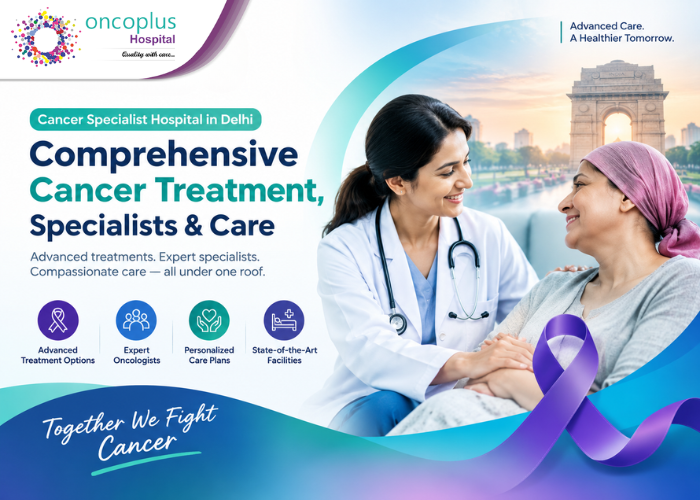
Cancer Specialist Hospital in Delhi: Comprehensive Cancer Treatment, Specialists & Care
- onco
- September 9, 2026
A cancer diagnosis can be overwhelming, but access to the right medical team and timely treatment can make a meaningful difference in a patient’s care journey. Choosing a cancer specialist hospital in Delhi can provide access to experienced oncology specialists, advanced diagnostic facilities, multiple treatment approaches, and coordinated cancer care.
Delhi is home to several specialized healthcare institutions offering oncology services for different types and stages of cancer. However, choosing the right hospital should be based on medical expertise, treatment facilities, personalized care, and the specific needs of the patient.
Why Choose a Cancer Specialist Hospital in Delhi?
Cancer treatment often involves more than one type of therapy. Depending on the cancer type, location, stage, and overall health, a patient may require surgery, chemotherapy, radiation therapy, immunotherapy, targeted therapy, or a combination of treatments.
A specialized cancer treatment hospital in Delhi can bring different oncology disciplines together to develop an individualized treatment plan.
Key factors to consider include:
- Experienced medical and surgical oncologists
- Radiation oncology facilities
- Modern diagnostic and imaging services
- Pathology and cancer staging support
- Multidisciplinary treatment planning
- Personalized treatment approaches
- Supportive and follow-up care
The goal is not simply to identify the best cancer hospital in Delhi, but to find a hospital that is appropriate for the patient’s particular cancer and treatment requirements.
Cancer Specialists and Multidisciplinary Care
Cancer care frequently involves several specialists working together. A cancer specialist in Delhi may focus on a particular area of oncology, while other specialists contribute to diagnosis, treatment, surgery, radiation, rehabilitation, and supportive care.
Medical Oncologist
A medical oncologist manages systemic cancer treatments such as chemotherapy, immunotherapy, targeted therapy, and other medicines when appropriate.
Surgical Oncologist
A surgical oncologist evaluates whether surgery can help remove a tumor or manage cancer-related complications. The type of procedure depends on the cancer’s location and stage.
Radiation Oncologist
Radiation oncologists plan and deliver radiation therapy when it is appropriate as part of a patient’s cancer treatment.
Multidisciplinary Cancer Team
Complex cases may benefit from collaboration among medical oncologists, surgical oncologists, radiation oncologists, radiologists, pathologists, nutrition professionals, and other healthcare specialists.
This team-based approach can help doctors consider different treatment options before recommending an individualized plan.
Types of Cancer Treated at an Oncology Hospital
A specialized oncology hospital in Delhi may provide diagnosis and treatment services for a wide range of cancers.
These can include:
- Breast cancer
- Lung cancer
- Head and neck cancers
- Gastrointestinal cancers
- Liver and pancreatic cancers
- Prostate cancer
- Kidney and bladder cancers
- Gynecological cancers
- Blood cancers
- Brain and central nervous system tumors
- Sarcomas and other less common cancers
Treatment recommendations vary considerably between patients. Cancer type, stage, tumor characteristics, previous treatment, age, general health, and personal circumstances can all influence the treatment plan.
Cancer Diagnosis and Staging
Accurate diagnosis is an important first step in cancer management. Depending on the suspected cancer, doctors may recommend physical examinations, blood tests, imaging studies, endoscopy, biopsy, molecular testing, or other investigations.
Why Cancer Staging Matters
Cancer staging helps doctors understand how extensive the disease is and can guide treatment decisions. The staging process may consider the size of the primary tumor, involvement of nearby lymph nodes, and whether cancer has spread to other parts of the body.
A specialist team reviews the available diagnostic information before developing a treatment strategy.
Cancer Treatment Options in Delhi
Cancer treatment in Delhi may involve one treatment modality or a combination of therapies.
Surgery
Surgery may be recommended to remove a localized tumor, obtain tissue for diagnosis, or manage certain cancer-related conditions.
Chemotherapy
Chemotherapy uses medicines designed to destroy cancer cells or control their growth. It may be used before surgery, after surgery, or as part of treatment for advanced disease.
Radiation Therapy
Radiation therapy uses high-energy radiation to damage cancer cells. It may be used to treat a tumor directly or help relieve certain symptoms.
Immunotherapy
Immunotherapy helps the immune system recognize and respond to cancer. Its suitability depends on the cancer type and specific characteristics of the disease.
Targeted Therapy
Targeted treatments focus on specific biological features of cancer cells. Testing may be required to determine whether a patient is likely to benefit from a particular targeted medicine.
How to Choose the Right Cancer Specialist Hospital in Delhi
Selecting a hospital is an important decision. Patients and families can consider the following questions:
- Does the hospital have specialists experienced in treating the specific type of cancer?
- Are diagnostic and staging facilities available?
- Does the hospital offer appropriate treatment options?
- Is there a multidisciplinary oncology team?
- How are treatment plans explained to patients and families?
- What follow-up and supportive care services are available?
- Can the hospital coordinate different stages of treatment?
It is also important to discuss treatment decisions directly with qualified oncology professionals rather than relying solely on online reviews or general rankings.
Why Early Consultation Matters
Some cancers may be easier to manage when detected and treated at an earlier stage. Persistent or unexplained symptoms should not be ignored, particularly when they require medical evaluation.
Early consultation does not necessarily mean that cancer is present. A specialist can evaluate symptoms, recommend appropriate investigations, and explain the next steps.
If cancer has already been diagnosed, seeking specialist advice can help patients understand their diagnosis and available treatment options.
———————————————————————————————————————————————————————
Frequently Asked Questions
What should I look for in a cancer specialist hospital in Delhi?
Look for experienced oncology specialists, appropriate diagnostic facilities, relevant treatment options, multidisciplinary care, supportive services, and a clear approach to patient communication and follow-up.
Which treatments are available at a cancer treatment hospital in Delhi?
Depending on the patient’s diagnosis, treatment may include surgery, chemotherapy, radiation therapy, immunotherapy, targeted therapy, or combinations of these approaches.
How do I find a cancer specialist in Delhi?
Start by identifying an oncologist experienced in treating the specific type of cancer. Patients can also consider hospitals where medical, surgical, and radiation oncology services work together.
Is there one best cancer hospital in Delhi for every patient?
Not necessarily. The most suitable hospital depends on the type and stage of cancer, treatment requirements, specialist expertise, available facilities, and the patient’s individual needs.
When should I consult an oncologist?
An oncologist may be consulted when cancer is suspected, after a cancer diagnosis, or when a patient needs specialist guidance about treatment options.
Take the Next Step Towards Specialized Cancer Care
Choosing the right cancer specialist hospital in Delhi is an important part of the cancer care journey. Patients should look beyond general hospital rankings and consider specialist expertise, diagnostic capabilities, treatment options, multidisciplinary care, and personalized support.
If you or a loved one has been diagnosed with cancer or has been advised to seek an oncology consultation, schedule a consultation with an experienced cancer care team to understand the diagnosis, treatment options, and next steps.
Early evaluation and informed medical decisions can help patients move forward with greater clarity and confidence.
Recent Posts
-

Can Early Signs of Stomach Cancer Improve Treatment Success?
August 27, 2026
-

Latest Lymphoma Cancer Treatment Options in 2026
August 20, 2026
-

Prostate Cancer Hospital in Delhi: Symptoms, Diagnosis & Care
August 14, 2026
-
How to Recognize Symptoms of Stomach Cancer in Adults
August 5, 2026