How Advanced Fertility Treatment Is Transforming Fertility Care
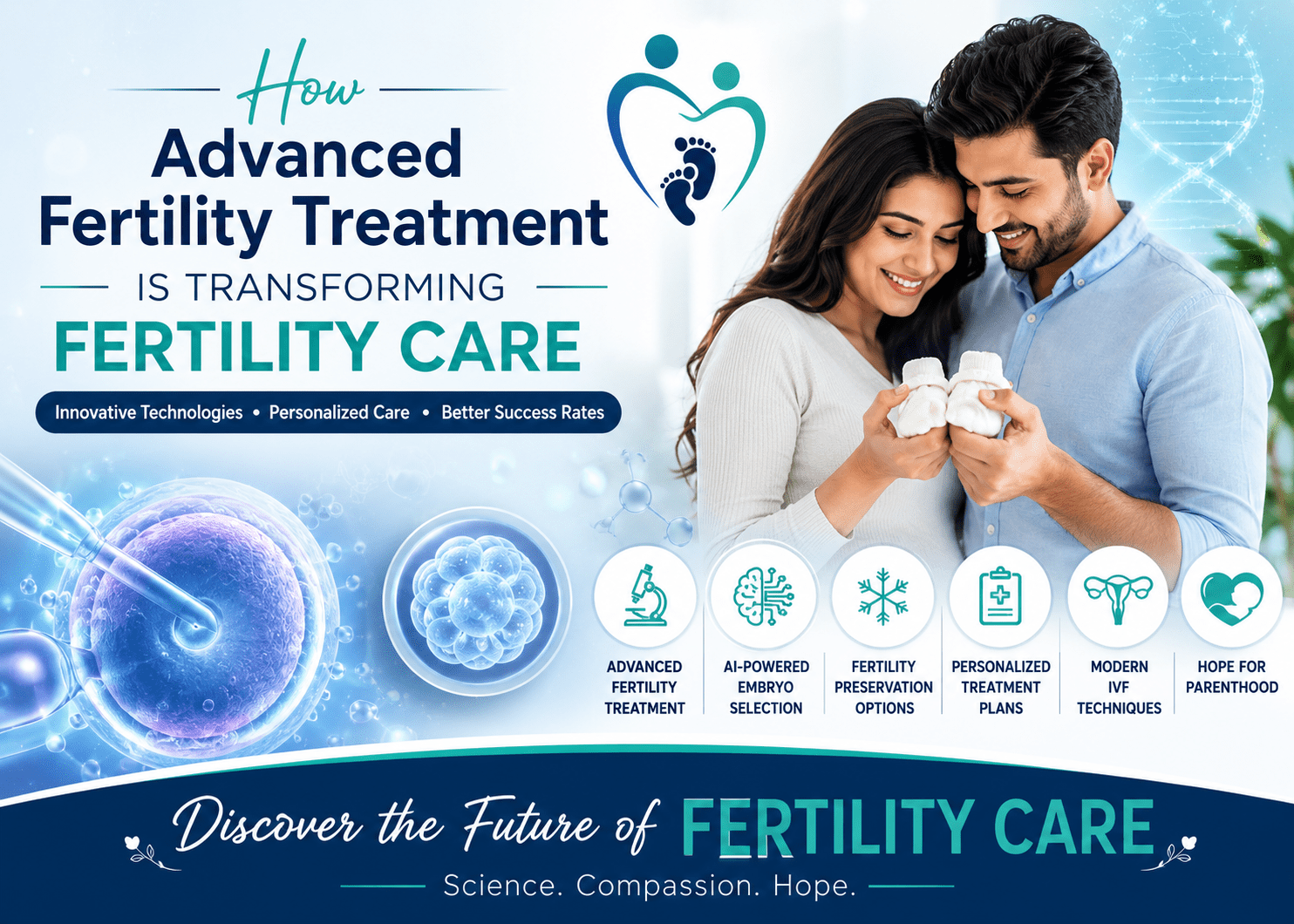
How Advanced Fertility Treatment Is Transforming Fertility Care
- onco
- June 4, 2026
The journey to parenthood is one of life’s most cherished dreams. However, for many individuals and couples, fertility challenges can make this journey emotionally and physically demanding. Fortunately, significant advancements in reproductive medicine have revolutionized the field of fertility care, offering new hope to those facing infertility.
Today, advanced fertility treatment options and transforming fertility care techniques are helping patients overcome complex reproductive challenges with greater success than ever before. From innovative diagnostic tools to personalized treatment plans and cutting-edge assisted reproductive technologies, fertility care has evolved into a highly specialized and patient-centered field.
In this blog, we explore how modern fertility innovations are transforming fertility care, improving outcomes, and making parenthood achievable for more families.
Understanding Infertility: A Growing Concern
Infertility affects millions of people worldwide and can impact both men and women. According to global health studies, approximately one in six couples may experience fertility difficulties at some stage of their reproductive years.
Common causes of infertility include:
- Ovulation disorders
- Polycystic Ovary Syndrome (PCOS)
- Endometriosis
- Blocked fallopian tubes
- Low sperm count or poor sperm quality
- Hormonal imbalances
- Age-related fertility decline
- Lifestyle and environmental factors
While infertility can be challenging, modern reproductive medicine has significantly improved the ability to diagnose and treat these conditions effectively.
The Evolution of Fertility Care
Traditional fertility treatments often relied on generalized approaches and limited diagnostic capabilities. Today, fertility specialists can identify underlying causes with remarkable precision and create customized treatment strategies tailored to each patient’s needs.
This evolution has transformed fertility care from a one-size-fits-all model into a personalized healthcare experience focused on improving success rates while reducing emotional stress.
Several innovations are driving this transformation.
Advanced Diagnostic Technologies
One of the most significant developments in fertility medicine is the use of advanced diagnostic tools.
Genetic Testing
Modern genetic screening allows healthcare providers to identify inherited conditions, chromosomal abnormalities, and potential reproductive risks before treatment begins.
Benefits include:
- Better treatment planning
- Reduced risk of genetic disorders
- Improved embryo selection
- Higher pregnancy success rates
Hormonal Assessment
Advanced hormone testing provides detailed insights into reproductive health by evaluating:
- Ovarian reserve
- Ovulation patterns
- Thyroid function
- Reproductive hormone levels
These assessments help fertility specialists develop more accurate treatment plans.
High-Resolution Imaging
Modern ultrasound technology and reproductive imaging techniques allow doctors to evaluate reproductive organs with greater accuracy.
These tools can detect:
- Uterine abnormalities
- Ovarian cysts
- Endometriosis
- Fibroids
- Fallopian tube conditions
Early diagnosis leads to more effective treatment and improved outcomes.
Personalized Fertility Treatment Plans
Every fertility journey is unique. One of the most impactful transforming fertility care techniques is personalized medicine.
Rather than applying the same treatment to all patients, fertility specialists now develop individualized plans based on:
- Age
- Medical history
- Fertility diagnosis
- Genetic factors
- Lifestyle habits
- Previous treatment outcomes
Personalized care increases efficiency and helps patients receive treatments most likely to succeed for their specific circumstances.
Innovations in In Vitro Fertilization (IVF)
IVF remains one of the most effective advanced fertility treatment options available today.
Recent innovations have significantly improved IVF success rates.
Enhanced Embryo Selection
Artificial intelligence and advanced imaging systems help embryologists identify the healthiest embryos for transfer.
Benefits include:
- Higher implantation rates
- Improved pregnancy outcomes
- Reduced multiple pregnancies
Time-Lapse Embryo Monitoring
Specialized incubators continuously monitor embryo development without disturbing the growth environment.
This technology provides valuable information about embryo quality and developmental potential.
Frozen Embryo Transfer (FET)
Modern freezing techniques allow embryos to be preserved safely for future use.
Advantages include:
- Greater flexibility
- Improved treatment timing
- Comparable or higher success rates
- Reduced physical stress on patients
Fertility Preservation: Expanding Opportunities
Advances in fertility preservation have created new possibilities for individuals who wish to delay parenthood or protect future fertility.
Egg Freezing
Women can preserve healthy eggs for future use, providing reproductive flexibility and peace of mind.
Common reasons include:
- Career planning
- Medical treatment
- Delayed family planning
- Personal circumstances
Sperm Freezing
Men can preserve sperm before undergoing treatments that may affect fertility, such as chemotherapy or radiation therapy.
Embryo Preservation
Couples may choose to freeze embryos for future pregnancy attempts or family planning.
These options are transforming fertility care by giving patients greater control over their reproductive futures.
The Role of Artificial Intelligence in Fertility Care
Artificial intelligence is becoming an increasingly valuable tool in reproductive medicine.
AI technologies assist fertility specialists by:
- Analyzing embryo development
- Predicting treatment outcomes
- Optimizing treatment protocols
- Supporting clinical decision-making
By leveraging large amounts of clinical data, AI can help identify patterns that improve fertility treatment success rates.
As technology continues to advance, AI is expected to play an even greater role in enhancing patient outcomes.
Minimally Invasive Reproductive Procedures
Modern fertility care increasingly emphasizes minimally invasive procedures that reduce discomfort and recovery time.
Examples include:
Hysteroscopy
A minimally invasive procedure used to examine and treat conditions inside the uterus.
Laparoscopy
A surgical technique involving small incisions to diagnose and treat reproductive disorders such as endometriosis and blocked fallopian tubes.
Benefits include:
- Faster recovery
- Reduced pain
- Lower complication rates
- Improved fertility outcomes
These advancements contribute to a more comfortable patient experience.
Lifestyle-Based Fertility Support
Modern fertility care recognizes that reproductive health is influenced by lifestyle factors.
Healthcare providers now incorporate comprehensive wellness strategies that may include:
Nutritional Counseling
Balanced nutrition supports hormone regulation, reproductive function, and overall health.
Weight Management
Maintaining a healthy weight can positively influence fertility outcomes for both men and women.
Stress Reduction
Stress management techniques such as yoga, meditation, and counseling can support emotional well-being throughout treatment.
Exercise Guidance
Appropriate physical activity contributes to overall reproductive health and treatment success.
This holistic approach is one of the most important transforming fertility care techniques used today.
Emotional Support in Fertility Treatment
Infertility can have a significant emotional impact on patients and families.
Modern fertility centers increasingly prioritize psychological support through:
- Counseling services
- Support groups
- Mental health resources
- Patient education programs
Addressing emotional well-being helps patients navigate fertility treatment with greater confidence and resilience.
Comprehensive support improves the overall treatment experience and contributes to better long-term outcomes.
Future Trends in Fertility Care
The future of fertility medicine is highly promising.
Emerging innovations include:
Advanced Genetic Research
Scientists continue to discover new genetic factors influencing fertility and reproductive success.
Regenerative Medicine
Research into stem cell therapies may eventually provide new treatment options for certain infertility conditions.
Precision Reproductive Medicine
Future treatments may become even more personalized through advanced genetic profiling and predictive analytics.
Digital Fertility Monitoring
Wearable devices and mobile applications are helping patients track reproductive health more accurately than ever before.
These innovations are expected to further transform fertility care in the coming years.
Why Early Consultation Matters
One of the most important factors in successful fertility treatment is timely medical evaluation.
Individuals or couples who have been trying to conceive without success should seek professional guidance rather than delaying care.
Early consultation offers several advantages:
- Faster diagnosis
- Earlier treatment intervention
- More treatment options
- Better success rates
- Reduced emotional burden
Seeking help early can significantly improve reproductive outcomes.
Conclusion
The field of reproductive medicine has undergone a remarkable transformation. Through advanced fertility treatment options and innovative transforming fertility care techniques, healthcare providers can now offer more effective, personalized, and compassionate solutions for infertility.
From sophisticated diagnostic tools and advanced IVF technologies to fertility preservation and AI-powered treatment planning, modern fertility care is helping countless individuals achieve their dream of parenthood.
As research and technology continue to evolve, the future of fertility treatment looks increasingly hopeful. Patients now have access to safer, more precise, and more successful treatment options than ever before, making parenthood possible for many who once believed it was out of reach.At Oncoplus Hospital, we believe that informed healthcare decisions empower patients to take control of their future. Understanding the latest advancements in fertility care is an important step toward achieving reproductive health goals and building the family you envision.
Read More Blog: Breast Cancer in Young Women: Hidden Symptoms, Early Detection & Best Treatment in Delhi
: Why Choosing a Cancer Specialist Hospital in Delhi Can Improve Treatment Outcome
Recent Posts
-

Pancreatic Cancer Treatment: Symptoms, Stages, Treatment Options & Prognosis
September 25, 2026
-
How to Boost Immune System Recovery After Chemo Naturally
September 21, 2026