Breast Cancer Treatment in Delhi
Breast Cancer Treatment in Delhi
- onco
- July 10, 2026
A breast cancer in Delhi diagnosis can turn your world upside down. Hearing the words, “You have breast cancer,” often leaves you feeling overwhelmed, frightened, and unsure of what to do next. It’s common to remember only a small portion of what your doctor explains during the first consultation because emotions often take over.
The good news is that you don’t have to face this journey alone. Asking the right questions before beginning treatment can help you better understand your diagnosis, explore your treatment options, and make informed decisions with confidence.
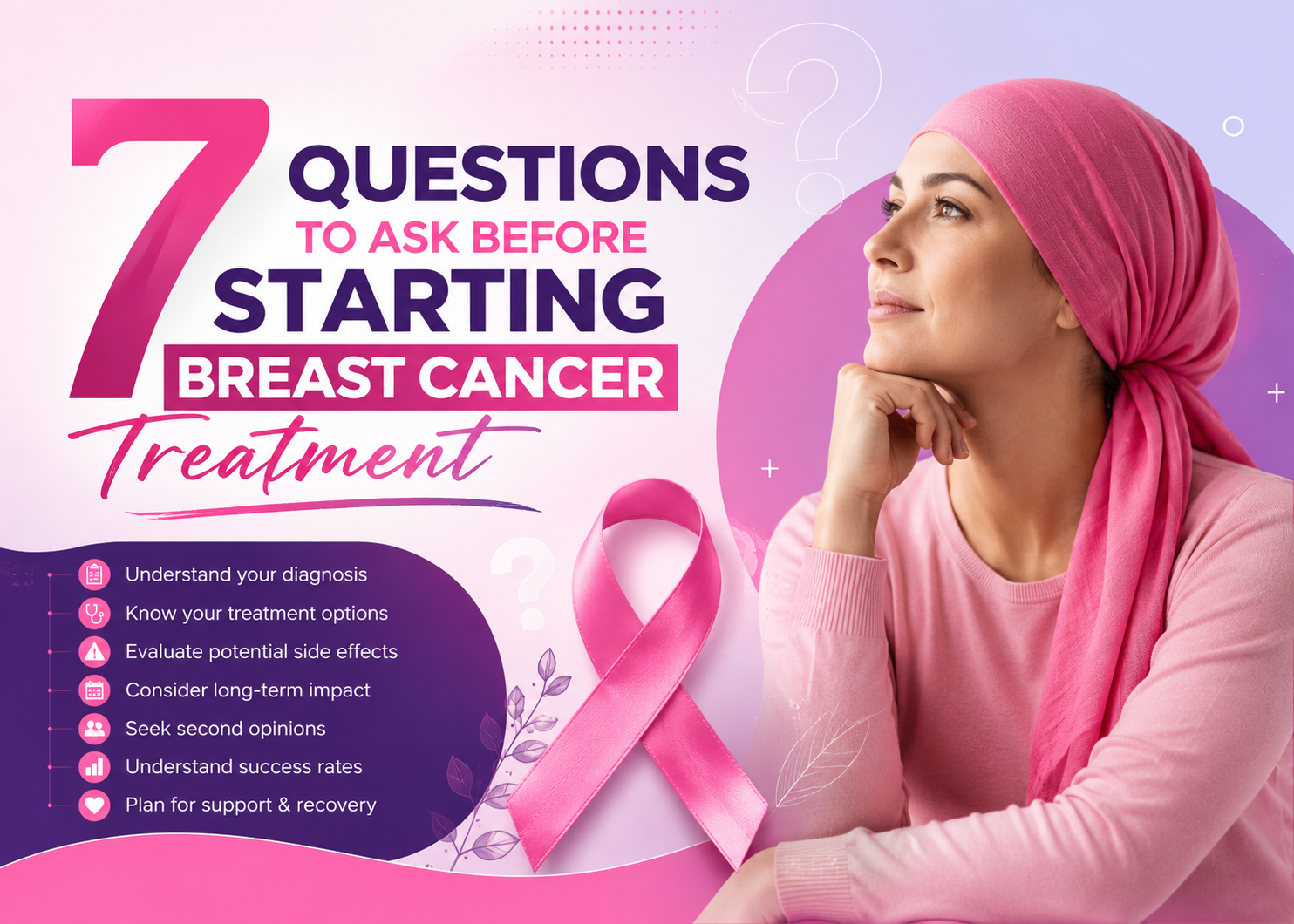
Whether you’ve recently been diagnosed or are supporting a loved one, these seven essential questions will help you prepare for meaningful conversations with your oncologist and take an active role in your breast cancer treatment journey.
Why Is It Important to Ask Questions Before Breast Cancer Treatment?
Every breast cancer case is different. The treatment plan depends on factors such as the type of cancer, stage, hormone receptor status, HER2 status, overall health, and personal preferences.
By asking the right questions, you can:
- Understand your diagnosis clearly
- Learn about all available treatment options
- Prepare for possible side effects
- Make informed treatment decisions
- Build confidence in your care plan
1. What Type of Breast Cancer Do I Have?
Breast cancer is not a single disease. Different types of breast cancer behave differently and require different treatment approaches.
Ask your oncologist about:
- Hormone Receptor Status (ER/PR): Is your cancer Estrogen Receptor (ER) positive or Progesterone Receptor (PR) positive? Hormone-positive cancers often respond well to hormone therapy.
- HER2 Status: Is the cancer HER2-positive or HER2-negative? HER2-positive breast cancers grow faster but can be effectively treated with targeted therapies.
- Tumor Grade: The grade indicates how abnormal the cancer cells appear under a microscope. Grade 1 cancers usually grow slowly, while Grade 3 cancers tend to grow more aggressively.
- Cancer Stage: Has the cancer remained within the breast, or has it spread to nearby lymph nodes or other parts of the body?
Helpful Tip: Bring a notebook or use your phone to record important information during every consultation.
2. What Are My Breast Cancer Treatment Options?
Breast cancer treatment often involves a combination of therapies, including:
- Surgery
- Chemotherapy
- Radiation therapy
- Hormone therapy
- Targeted therapy
- Immunotherapy (for selected cases)
The order of treatment varies from patient to patient. Some individuals undergo surgery first, while others receive chemotherapy before surgery to shrink the tumor.
Ask your doctor:
- Why is this treatment recommended for me?
- Are there other treatment options available?
- What are the benefits and risks of each option?
- Am I eligible for any clinical trials?
Understanding why a particular treatment plan is recommended will help you make informed decisions.
3. Will I Need Chemotherapy?
Chemotherapy is one of the most common concerns for women diagnosed with breast cancer. However, not every patient requires chemotherapy.
Whether chemotherapy is necessary depends on factors such as:
- Cancer stage
- Tumor size
- Hormone receptor status
- HER2 status
- Genomic testing (such as Oncotype DX, where appropriate)
If chemotherapy is recommended, ask:
- Which chemotherapy drugs will I receive?
- How many treatment cycles are required?
- What side effects should I expect?
- Can scalp cooling help reduce hair loss?
- What medications will help manage nausea and fatigue?
Knowing what to expect can make treatment feel less overwhelming.
4. Which Surgical Option Is Best for Me?
Surgery is often an important part of breast cancer treatment. Your doctor may recommend one of the following:
Lumpectomy (Breast-Conserving Surgery)
A lumpectomy removes the tumor along with a small amount of surrounding healthy tissue while preserving most of the breast.
Mastectomy
A mastectomy involves removing the entire breast. In certain situations, such as a strong family history or BRCA gene mutation, both breasts may be removed.
Research has shown that, for many women with early-stage breast cancer, a lumpectomy followed by radiation therapy provides survival outcomes similar to those of a mastectomy.
You should also discuss:
- Breast reconstruction options
- Timing of reconstruction surgery
- Recovery period
- Cosmetic outcomes
The best surgical option is the one that aligns with your medical condition and personal preferences.
5. How Will Treatment Affect My Daily Life?
Breast cancer treatment in Delhi affects more than just your physical health. It can influence your work, family responsibilities, emotional wellbeing, and future plans.
Discuss the following with your healthcare team:
- Returning to work
- Exercise during treatment
- Nutrition and healthy eating
- Fertility preservation
- Pregnancy planning
- Sexual health and intimacy
- Emotional wellbeing
Preparing for these lifestyle changes can help reduce stress throughout treatment.
6. What Side Effects Should I Expect and How Can They Be Managed?
Every breast cancer treatment in Delhi has potential side effects, but many can be effectively managed with supportive care.
Common side effects include:
- Fatigue
- Nausea and vomiting
- Hair loss
- Menopausal symptoms
- Memory and concentration difficulties (“Chemo Brain”)
- Appetite changes
Ask your doctor:
- Which side effects are most common?
- How can they be prevented or managed?
- When should I contact the hospital?
At Oncoplus Hospital, our multidisciplinary team—including oncologists, nutritionists, physiotherapists, and counselors—works together to help patients manage treatment-related side effects and maintain their quality of life.
7. What Happens After Breast Cancer Treatment Ends?
Completing treatment is a significant milestone, but follow-up care remains equally important.
Discuss your survivorship care plan, including:
- Follow-up appointments
- Mammograms and imaging tests
- Hormone therapy duration
- Signs of cancer recurrence
- Long-term treatment effects
- Rehabilitation and physiotherapy
- Emotional and psychological support
Regular follow-up visits help detect any recurrence early while supporting long-term health and recovery.
Should You Get a Second Opinion?
Yes.
Seeking a second opinion is completely normal and often encouraged for breast cancer treatment decisions. Another specialist may confirm the diagnosis, recommend additional treatment options, or simply provide reassurance that you’re on the right path.
At Oncoplus Hospital, our breast cancer specialists regularly provide expert second opinions to help patients make informed and confident treatment decisions.
Final Thoughts
Receiving a breast cancer treatment in delhi diagnosis can be frightening, but knowledge empowers you to make better decisions. Asking these seven essential questions helps you understand your diagnosis, explore treatment options, prepare for side effects, and plan for life after treatment.
Remember, you are an active participant in your care. Never hesitate to ask questions, seek clarification, or request a second opinion if needed.
With early diagnosis, advanced treatment options, and the support of an experienced multidisciplinary team, many women successfully overcome breast cancer and return to healthy, fulfilling lives.
Expert Breast Cancer Care at Oncoplus Hospital
At Oncoplus Hospital, our experienced breast cancer specialists provide personalized diagnosis, advanced surgical and medical treatments, second opinions, rehabilitation, and compassionate support throughout every stage of your cancer journey. We’re committed to delivering evidence-based care with empathy—helping you move forward with confidence and hope.
Recent Posts
-

Can Early Signs of Stomach Cancer Improve Treatment Success?
August 27, 2026
-

Latest Lymphoma Cancer Treatment Options in 2026
August 20, 2026
-

Prostate Cancer Hospital in Delhi: Symptoms, Diagnosis & Care
August 14, 2026
-
How to Recognize Symptoms of Stomach Cancer in Adults
August 5, 2026