A GUIDE ON BREAST CANCER
Breast cancer is the most common cancer in women after lung cancer leading to death in women.
Symptoms of breast cancer
The first most sign of breast cancer in women usually appears as a lump in the breast or an armpit or an area of thickened tissue in the breast.
Other common signs and symptoms include:
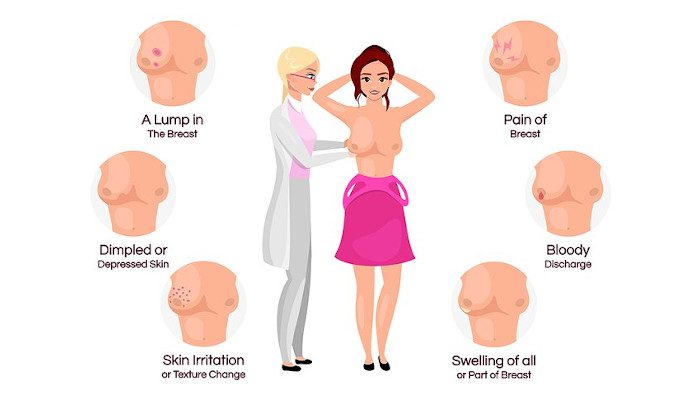
- a sunken or inverted nipple
- a rash around the nipples
- Flaking, peeling, or scaling of the skin on the nipple or breast
- pain in the breast or armpit that does not go with the monthly cycle
- redness of the skin of the breast
- discharge (possibly containing blood) from a nipple
- a change in the size and shape of the breast
However most lumps in the breast are not cancerous, hence it is suggested that a woman should visit a doctor for an examination if she notices a lump on the breast.
Stages of breast cancer
The stages of any cancer are defined by the oncologist based on the severity or to what extent cancer has spread in the body. Similarly, stages in Breast cancer are also defined based on the size of the tumor and the extent it has spread to lymph nodes or other parts of the body.
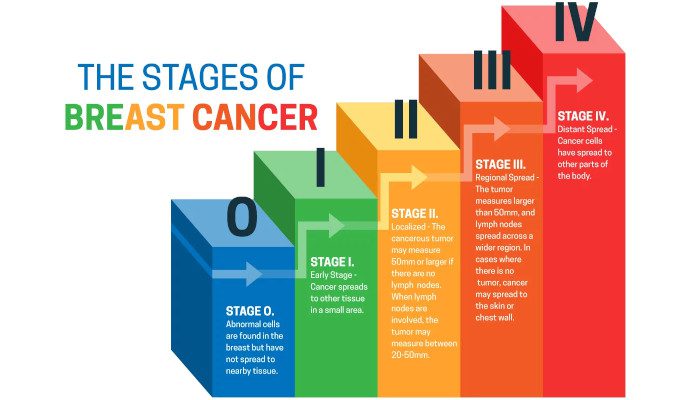
Stages are explained below:
Stage 0:
At this stage, the cancerous cells are limited to within the ducts and have not spread surrounding tissues, this stage is known as ductal carcinoma in situ (DCIS).
Stage 1:
At this stage, the tumor becomes 2 centimeters (cm) in size. At this stage, the cancerous cells have not affected any lymph nodes.
Stage 2:
At this stage, the tumor is 2 cm across in size also; it has started to spread to surrounding lymph nodes, or the tumor can be 2–5 cm across in size but has not spread to the nearby nodes.
Stage 3:
At this stage, the tumor is up to 5 cm across in size, and it has spread to several lymph nodes or the tumor is larger than 5 cm also has spread to a few lymph nodes.
Stage 4:
At this stage, the cancer cells have spread to distant organs including the bones, liver, brain, or lungs.
RISK FACTORS
The exact cause of breast cancer is not known but a few risk factors make it more likely to occur. These are listed below:
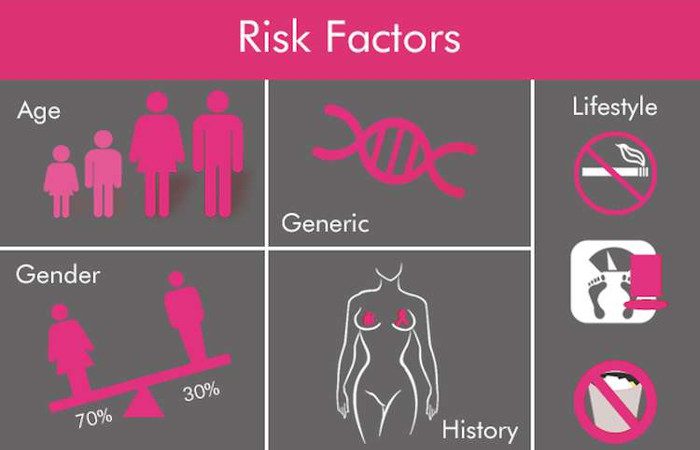
1. Age:
The risk of breast cancer in women increases with increasing age. The chances of developing breast cancer at the age of 20 years are approx. 0.06% and it increases up to 3.84% by the age of 7o years.
2. Genetics:
If there is a family history of having breast cancer, then the chances of developing breast cancer increase. That’s why women are recommended to seek genetic screening who have a family history of breast, ovarian, fallopian tube, or peritoneal cancer.
3. Women with a history of breast lumps or breast cancer:
Those women who have had breast cancer previously, are at more risk to have it again than those who have no history of the disease.
In addition, having some types of noncancerous breast lump increases the chance of developing breast cancer later in life.
4. Dense breast tissue:
Women with dense breasts are likely to develop breast cancer so Oncologists at Oncoplus cancer care suggest all women seek a regular cancer screening.
5. Estrogen exposure:
Extended exposure to estrogen increases the risk of breast cancer.
For women who start their menstrual cycle earlier or entering menopause at a later than the average age, estrogen level is high in such women.
6. Body weight:
Women who are obese or overweight after menopause may also have a higher chance of developing breast cancer, possibly due to increased estrogen levels.
7. Alcohol consumption:
A higher rate of regular alcohol consumption is said to contribute to the development of breast cancer.
8. Radiation exposure:
Undergoing radiation treatment for different cancer may be a risk factor to develop breast cancer later in life.
9. Hormone treatments:
According to the studies, oral contraceptives, hormone replacement therapy may increase the risk of breast cancer.
Diagnosis of Breast cancer
Several diagnostic tests and procedures are done to rule out the accurate diagnosis:
Breast exam
The Oncologist checks the breasts for lumps and other symptoms.
Imaging tests
Mammogram: This is a type of X-ray that is done during an initial breast cancer screening. It produces images that help an expert detect any lumps or abnormalities in the breast.
Ultrasound: Sonography helps a doctor to differentiate between a solid mass and a fluid-filled cyst.
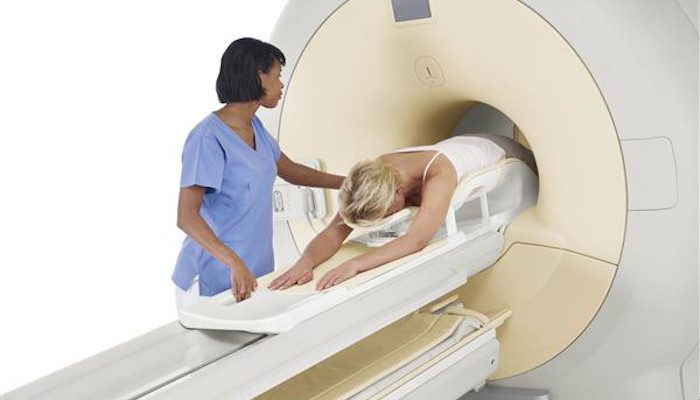
MRI: MRI is used as a screening tool for those at higher risk of breast. It combines different images of the breast to help a doctor identify cancer or other abnormalities in the breast.
Biopsy: In a biopsy, a sample of tissue from the breast is extracted and is sent to a laboratory for analysis.
This rules out whether the cells are cancerous. If cells are cancerous then a biopsy indicates the type of cancer.
Diagnosis also involves staging cancer to determine:
- the size of a tumor
- to what extent it has spread
- whether it is invasive or non-invasive
Book an appointment with the best cancer doctors in Delhi for Breast Cancer Treatment
Treatment options for breast cancer
Treatment depends on several factors, including:
- the type and stage of the cancer
- the person’s sensitivity to hormones
- the age
- the overall health of the individual
Important treatment options include:
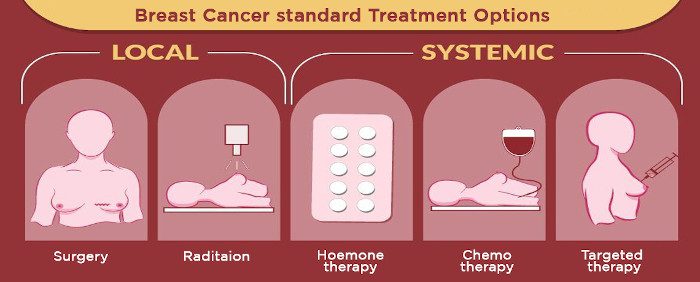
Cancer Surgery
Surgical intervention depends on the type of cancer and individual preference. Types of surgery include:
Mastectomy: This procedure involves the removal of the lobules, ducts, fatty tissue, nipple, areola, and some skin. In some types of breast cancer, The OncoSurgeon removes the lymph nodes and muscle in the chest wall as well.
Lumpectomy: This involves removal of the tumor and a small healthy tissue around it.
This procedure can help stop the spread of cancer to other parts of the body. This type of procedure is considered a treatment option when the tumor is small and can be separated easily from its surrounding tissue.
Sentinel node biopsy: this biopsy is done when breast cancer reaches the sentinel lymph nodes, which are the first nodes to which cancer can spread, and then it can spread into other parts of the body through the lymphatic system.
Axillary lymph node dissection: If cancer cells are found in the sentinel nodes, then several lymph nodes in the armpit may be removed which can prevent cancer from spreading.
Reconstruction: As the name suggests, the surgeon reconstructs the breast to look more natural after mastectomy. The patient party and the surgeon decide this unanimously. This can definitely help the patient to cope with the negative psychological effects of breast removal.
The breast can be reconstructed at the same time as performing a mastectomy or later. A breast implant is placed in most cases to give natural look to the breast.
Radiation therapy
Radiation therapy involves targeting the tumor with controlled doses of radiation destroying the remaining cancer cells. The patient may undergo radiation therapy a month after surgery.
Chemotherapy
Chemotherapy drugs kill cancer cells if there is a high risk of recurrence or spread.
Hormone blocking therapy
Hormone blocking therapy prevents hormone-sensitive breast cancers from recurring after treatment.
Hormone blocking therapy is considered as the only option for patients who are not suitable candidates for surgery, chemotherapy, or radiotherapy.
Book an appointment with the Best Cancer Specialist at Oncoplus Hospital.
Symptoms, Diagnosis, and Treatments of Blood Cancer
Blood cancer is very dangerous for our health, we need to find out its symptoms on time and start the treatments as soon as possible if we find symptoms in our health routine we should contact the doctor and inform that what happens. after consulting the doctor and get positive we should not delay we should start treatments of blood cancer.
WHAT IS BLOOD CANCER?
Blood cancer is the type of cancer that originates from the bone marrow as bone marrow is the integral source of blood production. blood cancer affects the production and function of a patient’s blood cell.
There are two type BLOOD CANCER:
- LEUKAEMIA :
Leukemia is the cancer of the white blood cells caused by the rapid production of abnormal white blood cells because of which they cannot fight infections rightly. Leukemia can occur in both adults as well as children. - MYELOMA :
Myeloma is the cancer of plasma cells, which are a type of white blood cell also known as our body’s defense mechanism. In this type of cancer, the body’s ability to fight infections is inhibited leading to frequent illness. Myeloma can develop in any location where there is blood plasma.
SIGNS AND SYMPTOMS
Since the symptoms of Blood Cancer can be confused by flu or other common illnesses so these may often be ignored or overlooked. The symptoms differ from patient to patient as these depend on certain factors including the type of blood cancer, the stage of cancer, the progression (acute or chronic).
A few common signs of blood cancer may include the following:
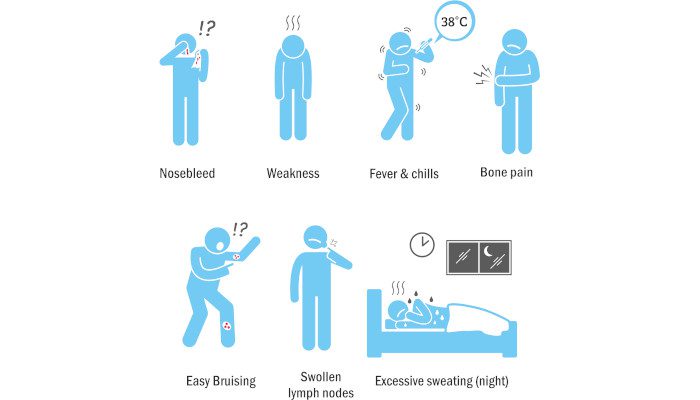
- Anemia
- Fever or infections
- Swelling of Lymph nodes
- Unexplained weight loss
- Pain in the bone
- Swelling of liver or spleen
- Night sweats
RISK FACTOR AND CAUSES OF BLOOD CANCER
There are no exact known causes for developing cancer, but studies prove that some factors may increase the chances a person can have cancer in his/her life. Risk factors can be different for different types of cancer, but there are a few common risk factors for all types of cancer. A few are listed below:
Chemical exposure:
Exposure to chemicals like benzene, formaldehyde, heavy factory smoke and chemicals, etc. can also cause blood cancer.
Radiation exposure:
Exposure to radiation can also cause Blood cancer. The higher the dose of radiation, the more the risk of developing blood cancer.
Smoking:

Smoking is said to be one of the major risk factors for causing blood cancer because tobacco is likely to damage or change the DNA of blood cells that causes abnormal growth causing blood cancer. It can also reduce the body’s immunity, making the body more prone to illness.
Diet for treatment of blood cancer:
Today, more than 50% of the world’s population do not follow a nutritious diet, a few foods, however, increase the risk of cancer. They are as follows:
- Processed meat
- Microwave popcorn
- Aerated drinks
- Diet food and beverages
- Refined flour
- Refined sugars
- Dirty fruits and vegetables
- Farmed salmon
- Hydrogenated oils
Diagnostic Tests for Blood Cancer
The most common tests used to diagnose blood cancer available at Oncoplus Hospital are:
Complete blood count
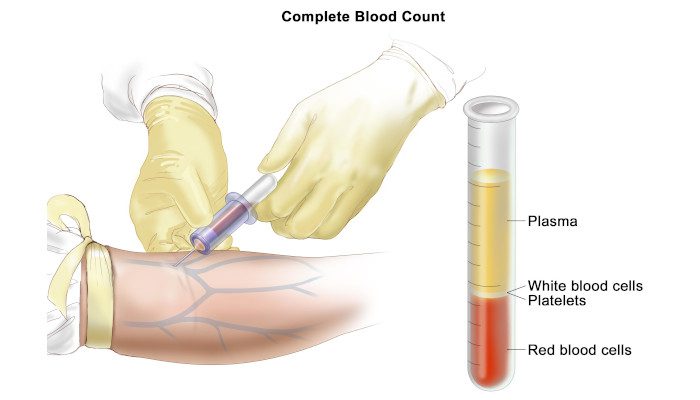
This blood test measures the concentration of various types of blood cells-red blood cells, white blood cells, and platelet cell count, in the given sample. This test determines abnormalities in the blood cells or their concentration in blood. Bone marrow biopsy may help in confirming this diagnosis.
Bone marrow biopsy/aspiration
Removal of bone marrow sample for testing is called bone marrow biopsy or aspiration, the difference being the follows:
- Bone marrow aspiration: to extract a liquid bone marrow sample.
- Bone marrow biopsy: Removing a small amount of bone marrow tissue.
This test determines if the cancer is affecting the bone marrow, the type of blood cancer, and the stage of cancer. The main purpose of this test is to confirm blood cancer as well as bone marrow disorders if any also detect any DNA abnormalities in the sample.
Lymph Node Biopsy
Blood cancer affects the blood cells that successively means the immune system fully gets affected. The lymphatic system is responsible for human immunity. It includes tonsils, spleen, and lymph nodes. The lymph nodes are present in hundreds of the body, which contain white blood cells to fight infections.
In lymph node biopsy, a small cut is made and the node is taken, and the cut is closed by stitches. This test provides information about blood cancer, type, and stage.
Spinal tap
It is also referred to as lumbar puncture. A fine needle is inserted in the space between the bones in the lower back and cerebrospinal fluid is extracted from the spine. This fluid is examined under a microscope to assess the progress of blood cancer, whether it has spread to the spinal cord.
Flow cytometry
This check determines the blood and bone marrow cells to research an amendment within the white blood cell count that might cause cancer.
An instrument known as a flow cytometer is used to measure the number and percentage of cells and their characteristics.
Karyotype test
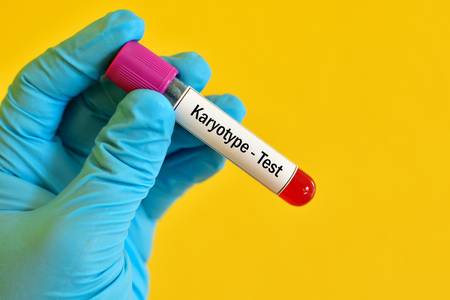
This check maps the forty-six human chromosomes of a cell to see the changes within the chromosomes and their arrangement.
The appearance of This checks for abnormalities within the size, shape, range, and arrangement of the blood cells or bone marrow cells.
Different Blood Cancer Stages and Metastasis
The stage indicates the extent of cancer progression. The stage of cancer helps the specialist to define the correct treatment option for blood cancer. Staging of blood cancer is classified based on blood cell counts and accumulation of these cells within other organs like the spleen, liver, etc. Stages are assessed after a proper evaluation of the patient.
Book an appointment with the Cancer Doctors in Delhi for Blood Cancer Treatment
Treatments of Blood cancer Options
The treatment of blood cancer depends on several factors including the type and stage of cancer, age of the patient, and the organs involved by cancer.
The most crucial treatment options available for blood cancer at Oncoplus are explained below:
1. Chemotherapy Treatment
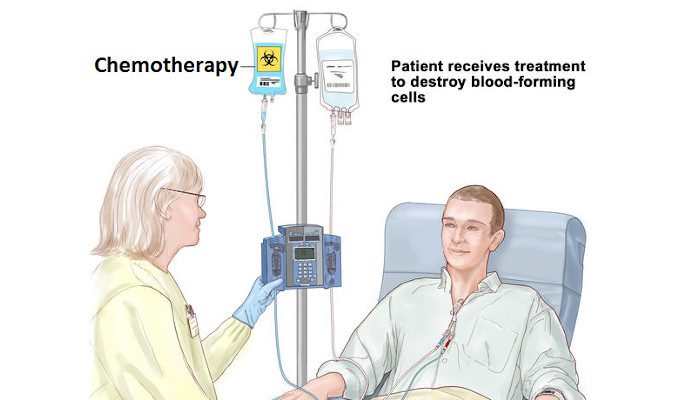
Chemotherapy destroys the rapidly growing cells in the body using chemical drug therapy. It is one of the most reliable and effective treatments to cure blood cancer.
Book an appointment with an Oncologist at Oncoplus.
Chemotherapy Procedure: How it is done?
In Chemotherapy, chemical/drugs/medicines are injected into veins or the larger muscle, which then travel along the bloodstream to reach the cancer cells. These drugs stop the cancerous cells from spreading further in the body. Chemotherapy is conducted in stages allowing the patient to handle the side effects of treatment, however, these are generally short-termed and medication is prescribed after every session of therapy.
Side effects of Chemotherapy in blood cancer treatment:
Few organs including the Heart, Lier, Brain, Testicles, Ovaries, kidneys are affected due to chemotherapy. Other common side effects of chemotherapy include:
- Appetite changes
- Hair loss
- Nausea and vomiting
- Anemia
- Fatigue
- Constipation
The oncologist and team at Oncoplus takes care of the tolerance levels of the Patient before proceeding with the treatment.
2. Radiation Therapy for Blood Cancer Treatment
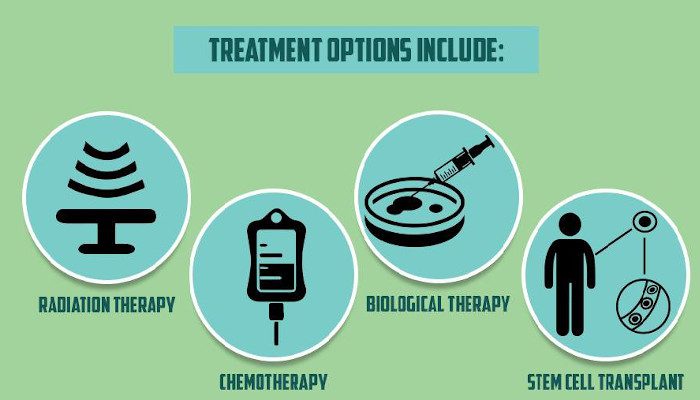
Radiation therapy damages the DNA in the cancerous cells using high-energy radiation, which further restricts their growth and reproduction.
Side effects of radiotherapy in treatment of blood cancer:
- Hair loss
- Nausea and Vomiting
- Skin problems
- Sore throat
- Heartburn
Since radiations are of high energy so it is advised to have a nutritious diet after radiotherapy also regular exercises contribute to the benefits of the patient’s health after radiotherapy.
3. Stem Cell Transplantation for Blood Cancer treatment
Since other treatment methods destroy the cancerous cells so patient’s body needs more new cells to maintain the normal functioning of the body. Stem cells are the cells of the bone marrow that develop further to produce new blood cells.
4. Blood Targeted Therapy for Blood Cancer treatment
This type of therapy targets the specific molecules that help cancer to grow and spread across the body. The main agenda of this therapy is to target the genes, proteins, and supporting blood vessels. This therapy is done alone or in combination with chemotherapy.
Side effects of Blood targeted therapy are :
- Increasing blood pressure
- Skin problems
- Gastrointestinal perforation
- Problems with blood clotting and wound healing
Book an appointment with the Best Cancer Specialist at Oncoplus Hospital.